
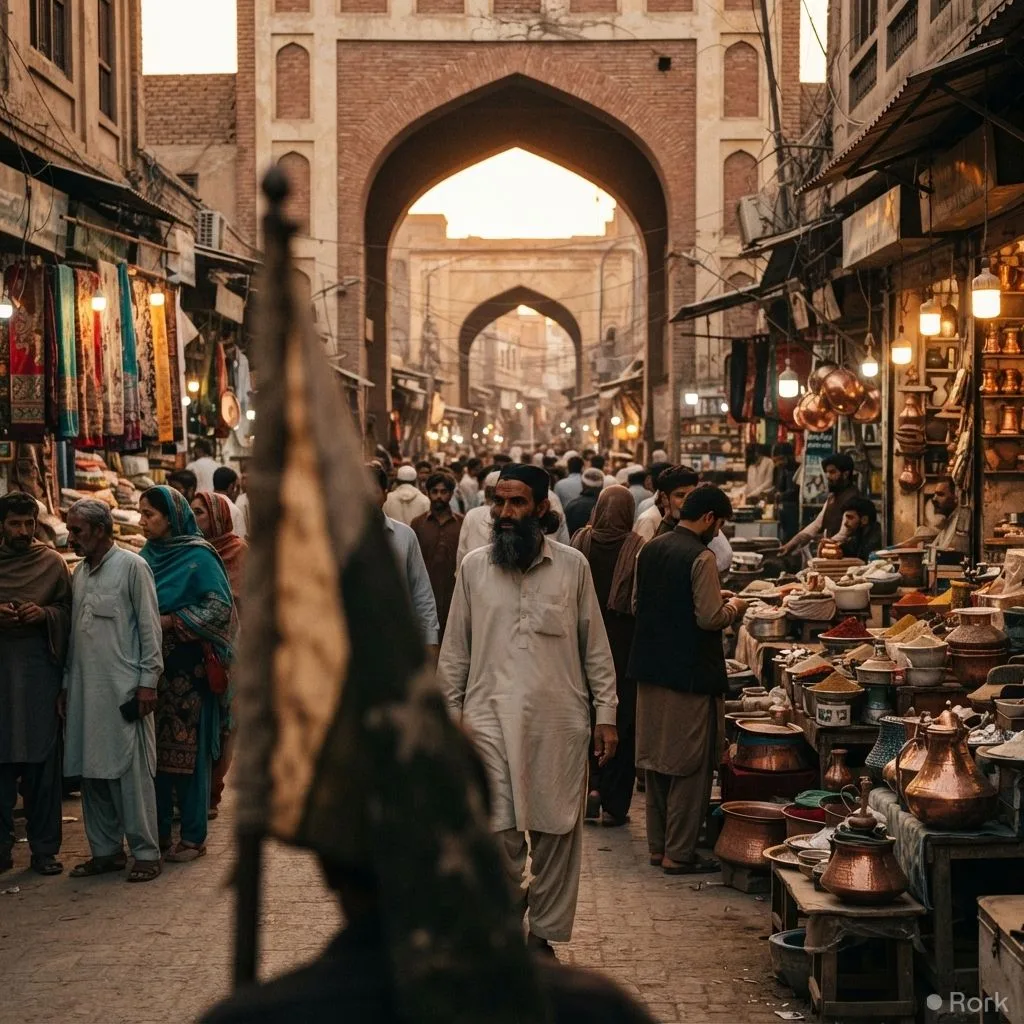
Afghan Borders Minister Noorullah Noori warned that the Taliban could hoist Afghanistan’s flag over Peshawar within 48 hours.
Acting minister for borders and tribal affairs Noorullah Noori delivered the stark remark during a televised interview, saying that if the Taliban leadership decided to act, Afghan forces could reach Peshawar in “just two days.” While he did not disclose any concrete operational plan, the comment was framed as a warning to Islamabad amid a surge in border frictions that have strained relations since the Durand Line was demarcated in 1893.
The statement comes after a series of cross‑border incidents that have heightened mistrust on both sides of the frontier. In recent months, Pakistani security forces reported armed groups crossing from Afghanistan into Khyber Pakhtunkhwa, leading to skirmishes near the Khyber Pass and temporary closures of key trade routes. Conversely, Afghan officials have accused Pakistan of supporting insurgents operating in Afghan territory, a charge that fuels the rhetoric of officials like Noori. The disputed status of tribal areas and unresolved water‑sharing agreements have further inflamed the already volatile environment along the 2,670‑kilometre frontier.
For Pakistan, the minister’s threat reverberates most acutely in the Khyber Pakhtunkhwa province, where the provincial government relies on stable border trade and the movement of millions of Pashtun families across the line. Any escalation could disrupt the Khyber and Torkham border crossings, which handle a sizable share of Pakistan’s imports from Central Asia and Afghanistan, and could trigger security sweeps that affect local economies and civilian life. Islamabad’s Ministry of Foreign Affairs has called the remarks “unacceptable” and urged the Taliban to pursue dialogue rather than intimidation, while the Pakistani military has reiterated its readiness to defend national sovereignty.
Security analysts caution that Noori’s rhetoric may be aimed at bolstering the Taliban’s domestic standing ahead of upcoming internal consultations, and that Islamabad faces its own political pressures to appear resolute against perceived Afghan aggression. Both capitals are under scrutiny from regional powers such as China and the United States, who have vested interests in preventing a wider destabilisation of South‑Asian trade corridors. Experts stress that diplomatic channels—particularly the longstanding joint border committee—must be re‑activated urgently to defuse the situation before inflammatory statements translate into real‑world confrontation.