
What happened?
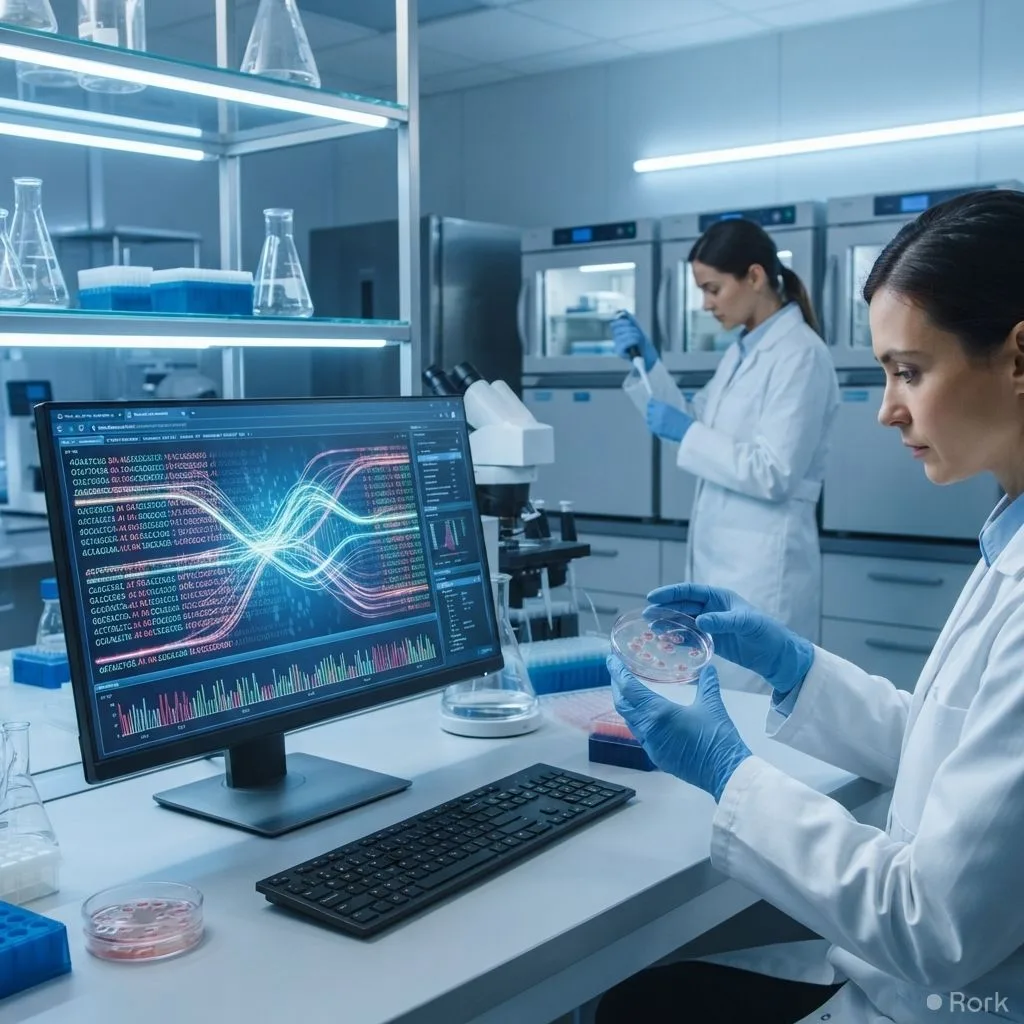
Anthropic’s Claude, a large‑language‑model AI, scanned extensive genomic databases and flagged a previously undocumented collection of enzymes that are consistently linked to repetitive DNA segments resembling the CRISPR arrays found in bacteria and archaea.
Why does it matter?
The enzyme set could represent a new class of molecular machinery involved in DNA manipulation, offering fresh insights into natural gene‑editing processes. For Pakistan’s burgeoning biotech sector—home to several genomics startups and a national focus on precision medicine—such a discovery could open pathways to locally develop novel diagnostic tools or crop‑improvement technologies without relying on existing CRISPR patents.
What’s next?
Scientists at university labs and private research firms are now tasked with experimentally confirming the computational prediction, characterising the enzymes’ biochemical activities, and assessing their safety for potential applications. If validated, the finding may accelerate collaborations between AI developers and South Asian life‑science institutions, positioning AI‑assisted discovery as a routine component of the region’s research workflow.