
Key points:
- Bangladesh’s defence ministry has approved a deal to acquire Chinese‑made J‑10 fighter aircraft.
- A senior government adviser cited the impressive results of Pakistan’s recent air drills against India’s Rafale jets as a decisive influence.
- The purchase signals a strategic pivot toward Chinese aerospace technology and could reshape Bangladesh’s air‑defence posture.
- Pakistan’s operational experience is increasingly informing the procurement choices of its South Asian neighbours.
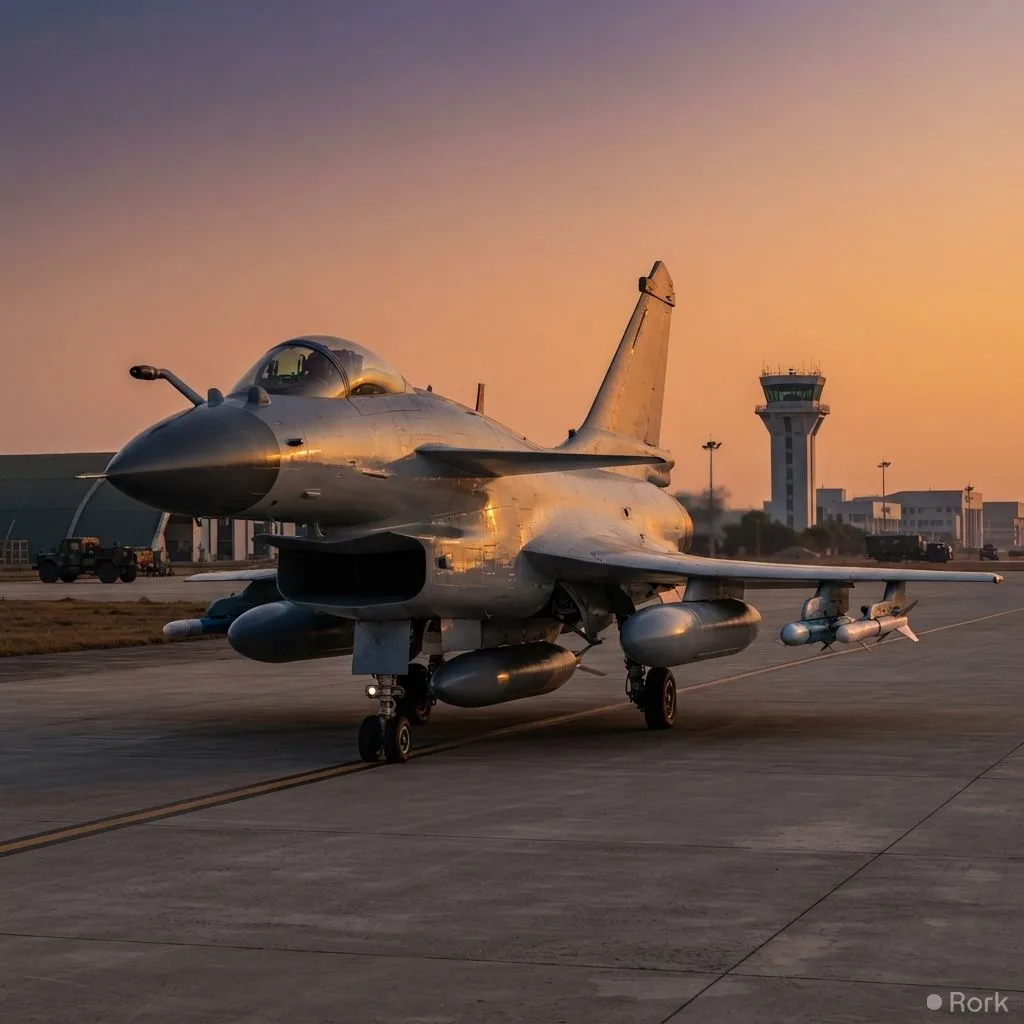
Dhaka announced this week that it will purchase a fleet of J‑10 multirole fighters from China, marking the first major acquisition of Chinese combat aircraft for the Bangladesh Air Force. The decision was confirmed by a senior adviser to the defence ministry, who highlighted the aircraft’s performance during a series of joint exercises with Pakistan, where Bangladeshi pilots observed the J‑10’s agility and strike capability in simulated combat against India’s Rafale fleet.
Pakistan’s own air‑force drills with the J‑10, conducted earlier this year, were widely reported as a success, with the Chinese jets reportedly out‑maneuvering the French‑supplied Rafales in several mock‑engagement scenarios. The positive outcome not only boosted confidence in the platform within the Pakistani ranks but also caught the attention of neighbouring militaries seeking cost‑effective yet capable alternatives to Western fighters.
For Bangladesh, the procurement reflects a broader re‑orientation of its defence procurement policy. Historically reliant on older Soviet‑origin aircraft and limited Western upgrades, Dhaka is now looking to modernise its air arm with newer, more versatile platforms that can be integrated into its existing infrastructure. The J‑10, equipped with modern avionics, a fly‑by‑wire system and a range of air‑to‑air and air‑to‑ground weapons, is seen as a suitable fit for the country’s requirement to protect its airspace and support ground operations.
Analysts note that the move could deepen military‑technical ties between Bangladesh and China, while also reinforcing a nascent defence collaboration network across South Asia. Pakistan, which has been operating the J‑10 alongside its own domestically upgraded fighters, may benefit from increased regional demand for Chinese systems, potentially leading to joint training programmes and logistical cooperation. At the same time, India is likely to monitor the development closely, as the introduction of modern Chinese jets into a neighbouring air force could alter the balance of air power in the Bay of Bengal and beyond.