
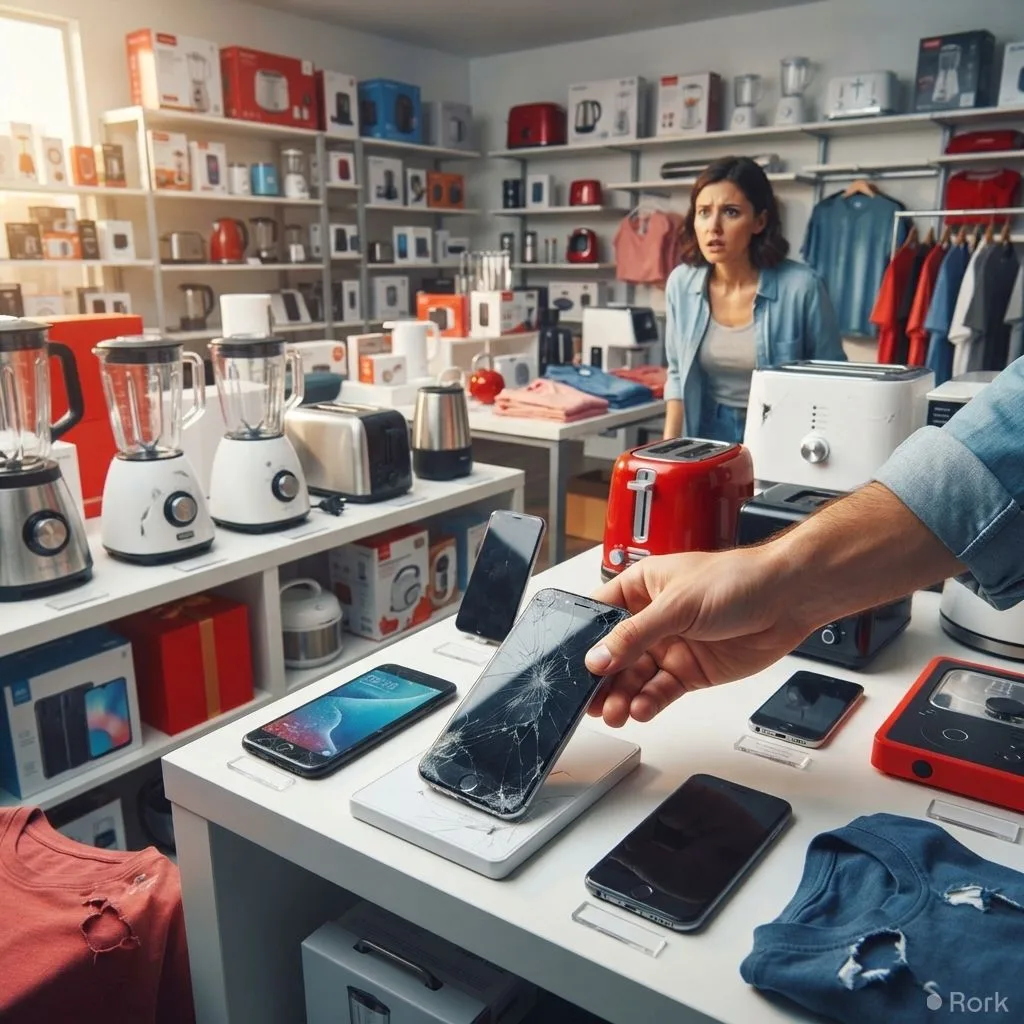
Customers of Zero Lifestyle have taken to social media and consumer forums to allege that the items they ordered arrived defective, did not match the online descriptions, and were accompanied by broken warranty promises. The brand has announced an internal investigation and urged affected buyers to contact its support desk for possible refunds.
Background
Zero Lifestyle, a Karachi‑based online retailer that markets electronics, apparel and home accessories, has enjoyed rapid growth since its launch in 2022, riding the surge in e‑commerce activity across Pakistan. In the past year the company has rolled out several high‑profile marketing campaigns, positioning itself as a “one‑stop lifestyle destination” for middle‑class shoppers seeking affordable, trend‑forward goods.
Over the last fortnight, dozens of customers posted detailed complaints on platforms such as Facebook, Twitter and the Pakistan Consumer Forum. The grievances range from smartphones that refuse to power on, to stitched garments that shrink after the first wash, and fitness equipment that arrives missing essential components. Several complainants also noted that warranty registration links provided in the delivery packs led to dead ends, leaving them without the after‑sales support promised on Zero Lifestyle’s website.
What it means
For Pakistani consumers, the episode underscores the lingering vulnerability of online shoppers despite the proliferation of digital payment methods and the formalisation of e‑commerce under the 2023 E‑Commerce Policy. When a retailer fails to honour product specifications and warranty terms, buyers may face not only financial loss but also the hassle of navigating a fragmented dispute‑resolution system that currently relies on the Competition Commission of Pakistan (CCP) and the recently enacted Consumer Protection Act 2019.
The ripple effect extends to small‑scale sellers that operate on Zero Lifestyle’s marketplace. Many of these vendors depend on the platform’s reputation to attract customers; a loss of trust could depress sales across the board, forcing sellers to seek alternative channels or absorb the cost of returns themselves. Moreover, logistics providers tied to the retailer may see an uptick in reverse‑shipping volumes, straining an already congested delivery network in major cities such as Lahore and Karachi.
What happens next
Zero Lifestyle has pledged to cooperate with the CCP and the Directorate of Consumer Protection in Punjab, promising a “thorough review” of the reported incidents. The company’s public statement indicates that it will issue refunds or replacements where verification is possible and that it will tighten its quality‑control checks before dispatch. Consumers are advised to retain purchase receipts, order confirmations and any correspondence with the brand as evidence for any forthcoming arbitration or court filing.
The bigger picture
The Zero Lifestyle controversy arrives at a critical juncture for Pakistan’s digital marketplace ecosystem. While the government’s recent regulatory push aims to boost consumer confidence, recurring cases of substandard goods highlight gaps in enforcement and the need for a more robust, accessible redress mechanism. Industry observers argue that sustained consumer trust will depend on transparent seller verification, stricter penalties for non‑compliance, and the empowerment of platforms to monitor post‑sale performance in real time. If addressed promptly, the incident could serve as a catalyst for tighter standards that benefit both shoppers and legitimate online businesses across the country.