
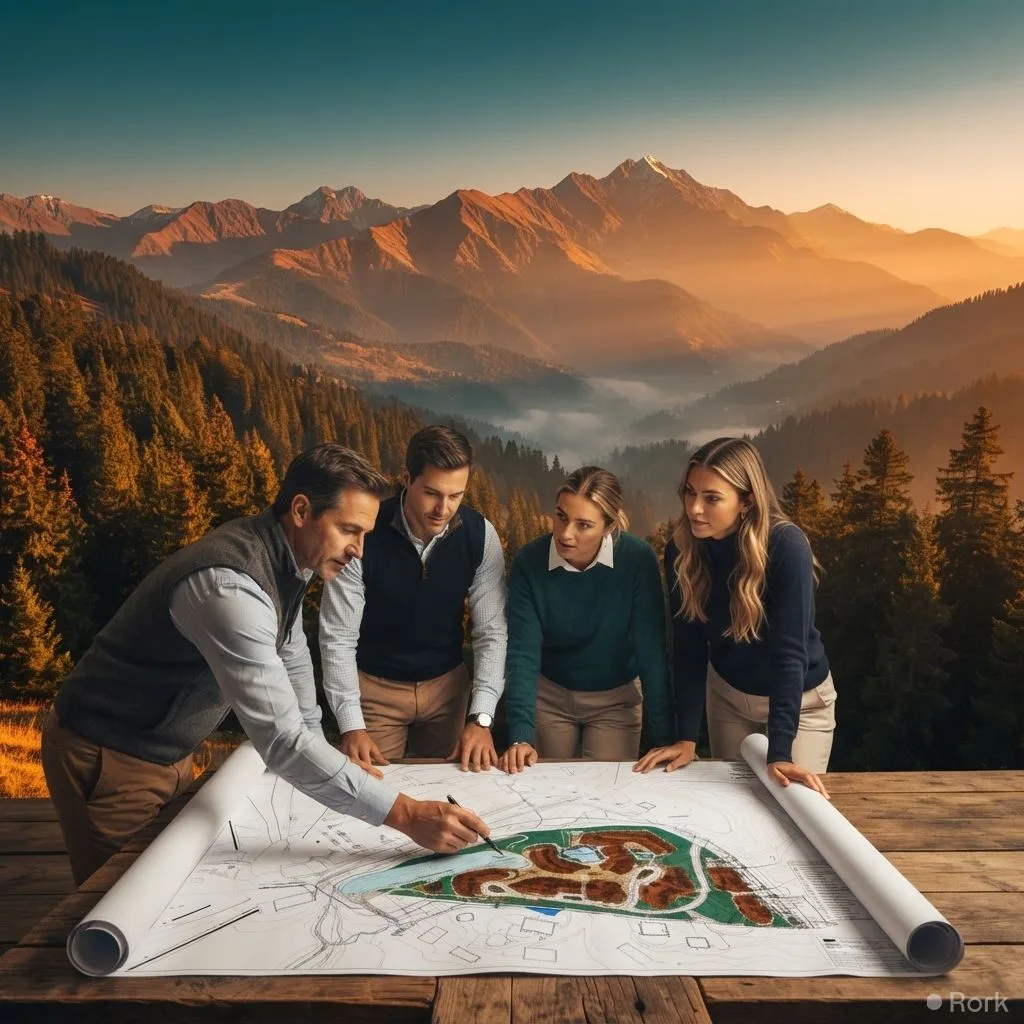
Nestled amid the mist‑shrouded peaks of the Murree Hills, the tranquil hill station of Thandieri has long attracted weekend trekkers from Islamabad and Lahore, yet its steep slopes and pristine snowfields have remained largely untouched by large‑scale development. That quiet charm is about to change, as plans are now taking shape to transform the secluded retreat into a full‑fledged mountain resort that could operate throughout the year.
Canadian‑based Ecosign Mountain Resort Planners Ltd., a specialist firm that has helped sculpt world‑renowned destinations such as Zermatt in Switzerland, Thaiwoo in China, Hanazono in Japan and the upcoming Snowbasi project, has been commissioned to draft a comprehensive masterplan for Thandieri. The blueprint envisions a blend of ski‑and‑summer infrastructure—ski lifts, glade runs, mountain biking trails, and alpine lodges—combined with eco‑sensitive design that respects the fragile Himalayan ecosystem.
Ecosign’s approach stresses sustainability from the ground up. The plan calls for renewable‑energy solutions, water‑conservation systems and low‑impact construction techniques that aim to preserve the native pine forests and the region’s rich biodiversity. Community‑centric amenities, including locally sourced hospitality venues, schools and health clinics, are earmarked to ensure that the project benefits the surrounding villages of Boi and Nathiagali, creating jobs for residents ranging from skilled technicians to service staff.
The development dovetails with Pakistan’s broader strategy to diversify its economy by leveraging the untapped tourism potential of the northern areas. Provincial authorities in Khyber Pakhtunkhwa have been courting international investors to boost infrastructure, and the Thandieri masterplan could become a flagship example of how high‑quality, environmentally responsible tourism can stimulate regional growth while curbing the out‑migration of youth.
If the plan moves forward as envisioned, Thandieri could join the league of emerging alpine resorts in South Asia, offering both domestic and foreign visitors a year‑round destination that marries adventure, culture and sustainability—turning a once‑quiet hill station into a catalyst for economic renewal in the surrounding communities.