
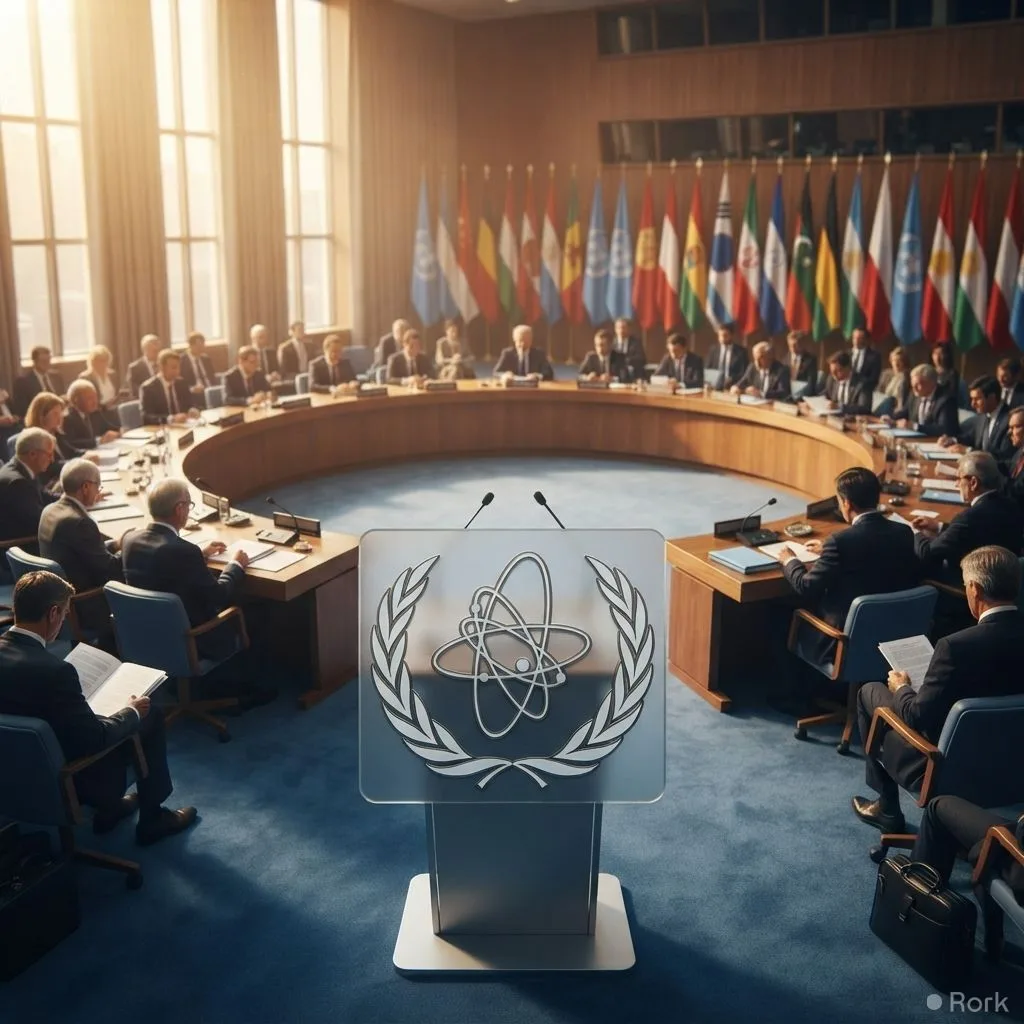
The International Atomic Energy Agency has referred Iran to the UN Security Council – a move not seen in 20 years.
The 35‑nation IAEA board concluded in June that Tehran breached its nuclear safeguards after discovering undeclared uranium enrichment activities. The finding came just weeks before an Israeli airstrike targeted Iran’s Natanz and Fordow facilities, causing extensive damage and igniting a diplomatic standoff over whether IAEA inspectors could access the bombed sites. Tehran has denied any wrongdoing and accused Israel of violating international law, while Israel maintains the strikes were a pre‑emptive response to a looming nuclear threat.
By taking the dispute to the Security Council, the IAEA shifts the issue from a purely technical oversight body to the broader arena of international peace and security. Member states will now debate possible sanctions, diplomatic pressure or other measures, marking the first time the agency has escalated a case to the Council since the 2005 referral of North Korea. The decision underscores growing frustration within the nuclear watchdog over Iran’s limited cooperation and the difficulty of verifying compliance in conflict‑damaged facilities.
Pakistan, which hosts a robust nuclear energy program and is a signatory to the Non‑Proliferation Treaty, is closely watching the development. Islamabad has repeatedly emphasized the need for a transparent, rules‑based approach to nuclear governance in the region. Any UN‑mandated sanctions or heightened inspections could affect regional trade, energy cooperation, and the broader strategic calculus that Pakistan navigates with both Iran and Israel. Moreover, the referral may influence Pakistan’s own diplomatic engagements at the UN, where it often advocates for balanced resolutions that safeguard regional stability without compromising sovereign rights.
The referral also revives discussions within the IAEA about strengthening verification mechanisms, especially in conflict zones. Experts suggest that future protocols could include remote monitoring technologies or third‑party access guarantees to prevent similar deadlocks. While the immediate focus remains on securing access to the damaged Iranian sites, the broader implications may reshape how the international community manages nuclear compliance challenges in volatile regions.
As the Security Council convenes to deliberate the IAEA’s referral, the world watches how the UN’s most powerful body will balance non‑proliferation objectives with the geopolitical realities of the Middle East and South Asia. The outcome will likely set a precedent for handling future nuclear disputes, influencing diplomatic strategies far beyond Tehran’s borders.