
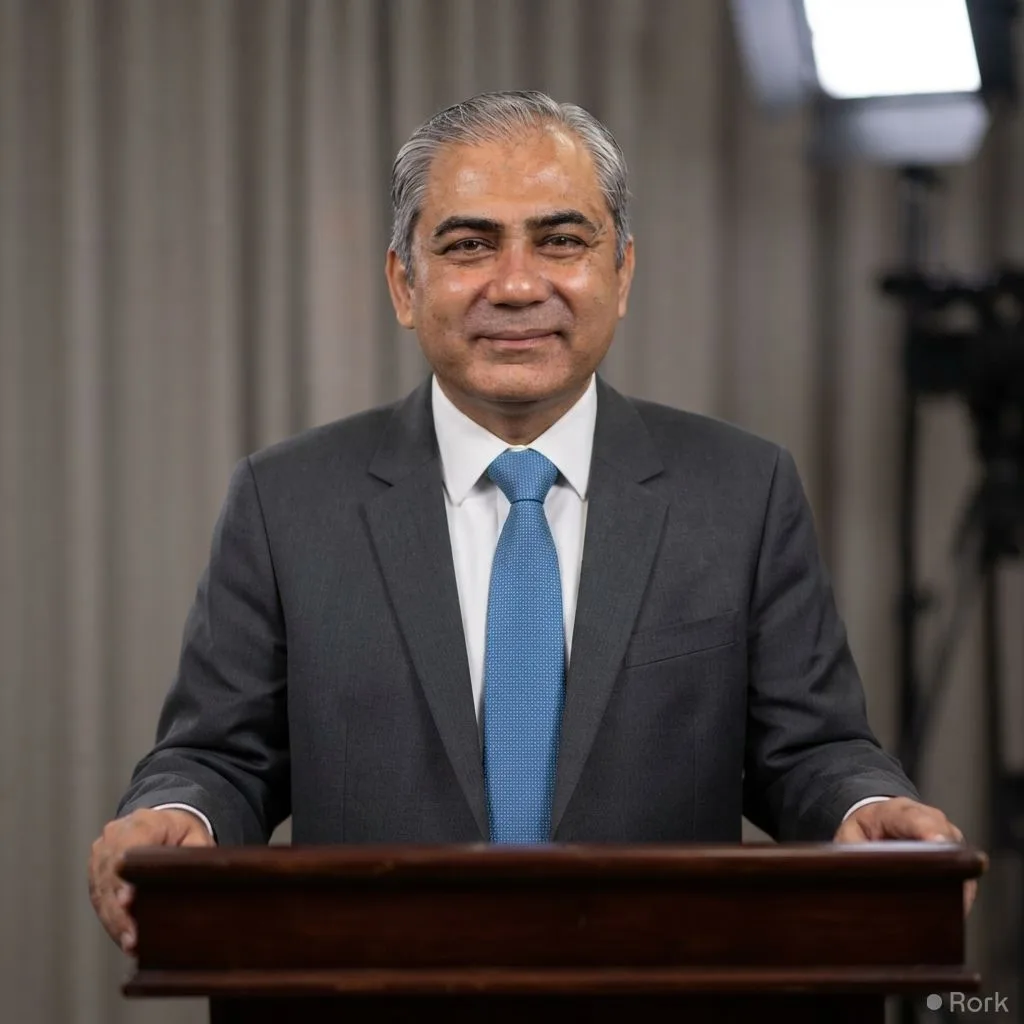
India’s women’s cricket team walked off the stage after their 72‑run triumph over Sri Lanka in the Asia Cup final, refusing to receive the trophy from Asian Cricket Council President Mohsin Naqvi.
Background
The 2026 Women’s Asia Cup, staged in Dubai, pitted the sub‑continental powerhouses against each other in a high‑stakes showdown. India entered the final as clear favourites, having won all their group matches with comfortable margins. Sri Lanka, however, had upset the odds by defeating Pakistan in the semi‑final, raising hopes among their supporters for a surprise victory.
When India posted a commanding total and bowled out Sri Lanka well short of the target, the scoreboard reflected a 72‑run win. As per tournament protocol, the ACC president traditionally hands over the silverware to the victorious captain on the podium. Yet, after the final over, the Indian players remained seated and did not step forward to accept the cup, leaving Naqvi standing with the trophy in hand.
What it means
The unexpected refusal has ignited debate across the cricketing fraternity about etiquette, respect for officials, and the political undertones that sometimes colour South Asian sport. For Pakistani fans and the Pakistan Cricket Board (PCB), the incident raises questions about how the region’s governing bodies will handle potential diplomatic friction, especially since Pakistan’s own women’s side missed the final and is keen to see a clear precedent set for future tournaments.
From a competitive standpoint, India’s decisive victory reinforces its growing dominance in women’s cricket, a development that could widen the performance gap with neighboring teams, including Pakistan. The PCB has already hinted at accelerating its own women’s development programs to keep pace, and the controversy may add urgency to those plans.
The episode also touches on the ACC’s authority and its relationship with member boards. If the refusal is interpreted as a protest—whether over scheduling, prize money, or perceived bias—the council may face pressure to review its engagement with players and teams. A strained rapport could affect upcoming events such as the 2027 Women’s World Cup qualifiers, where Asian nations will vie for limited spots.
What happens next
The ACC is expected to issue an official statement within the next 48 hours, outlining whether any disciplinary action will be taken against the Indian team or if an apology is required. Meanwhile, the Indian Cricket Board (BCCI) has yet to comment publicly, but insiders suggest a internal review will be convened to assess the decision and its potential repercussions for the team’s image.
For Pakistani cricket enthusiasts, the incident serves as a reminder that off‑field conduct can be as consequential as on‑field performance. As the women's game gains traction in the sub‑continent, stakeholders in Pakistan will be watching closely to ensure their own players are prepared not just to win, but also to navigate the diplomatic nuances that accompany international success.