
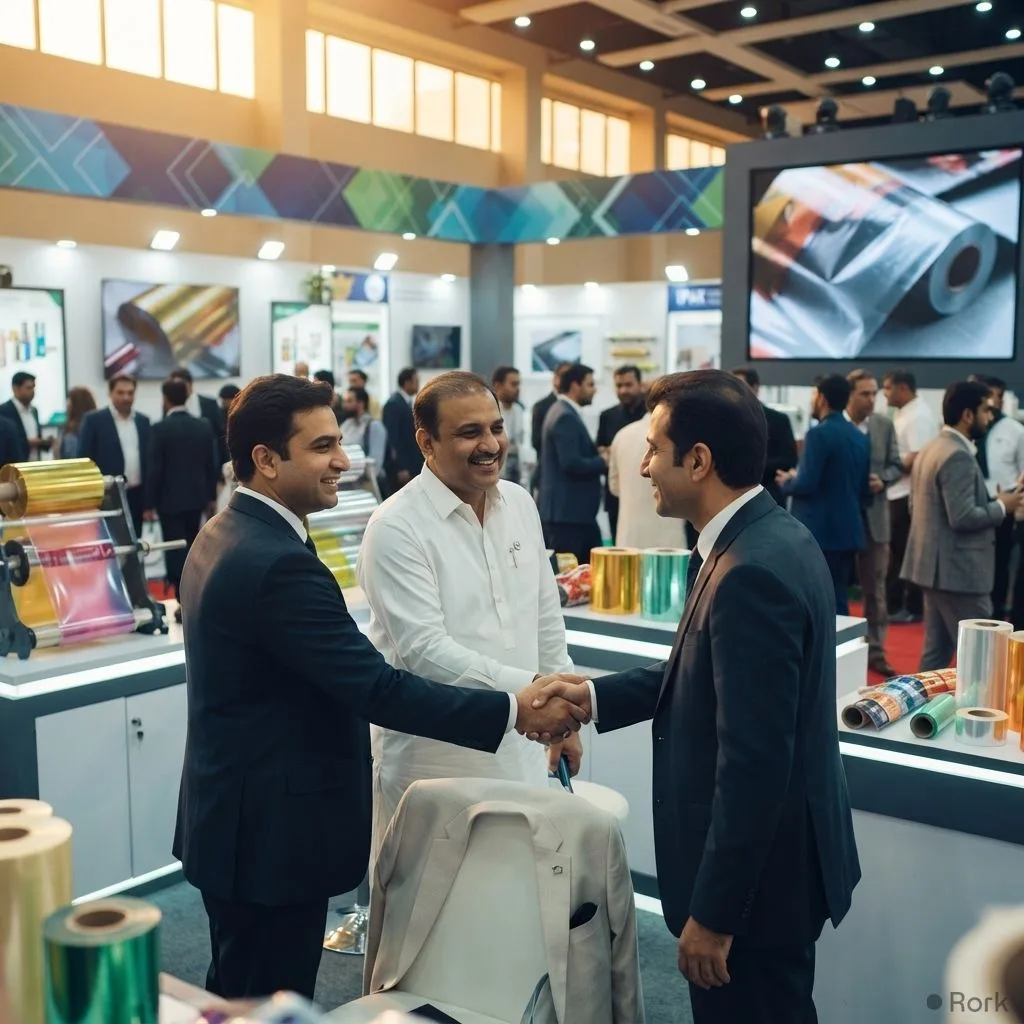
International Packaging Films Limited (IPAK) sealed a series of partnership deals at the 3P Plas Print Pack Pakistan 2026 exhibition, where its newly engineered flexible packaging films drew intense interest from both domestic manufacturers and overseas delegations.
Background
The 3P Plas Print Pack Pakistan exhibition, held annually in Lahore, brings together more than 500 exhibitors from the printing, packaging and flexible film sectors across South Asia and the Middle East. The 2026 edition attracted a record‑high turnout of international buyers, positioning the event as a launchpad for cutting‑edge packaging technologies in the region.
IPAK, a home‑grown firm that has been investing heavily in research and development since 2022, unveiled a line of biodegradable and high‑barrier flexible films designed to extend product shelf life while meeting stricter environmental regulations. The company’s new portfolio stems from a joint venture with a European polymer research institute and a $15 million expansion of its production line in Karachi.
Historically, Pakistan’s flexible‑packaging market has relied on imported films, which adds cost pressures for food processors, FMCG companies and pharmaceutical manufacturers. The lack of locally produced, high‑performance films has limited the sector’s ability to compete on price and sustainability in both domestic and export markets.
What it means
Local manufacturers now have immediate access to advanced films that can be sourced domestically, reducing lead times and foreign‑exchange outflows. For a country that spends an estimated $200 million annually on imported packaging films, the shift could translate into significant cost savings and enable smaller producers to upgrade their product lines without prohibitive expense.
The agreements signed with regional producers and overseas distributors give IPAK a foothold in neighboring markets such as Bangladesh, Sri Lanka and the Gulf Cooperation Council states. By meeting international quality benchmarks, Pakistani exporters of packaged foods and consumer goods can present a “Made in Pakistan” label that complies with global packaging standards, potentially opening new channels in Europe and North America.
On a macro‑economic level, the expansion of IPAK’s facilities is expected to create over 800 direct jobs and stimulate ancillary industries ranging from raw‑material supply to logistics. The technology transfer embedded in the partnership deals also raises the skill base of the local workforce, positioning Pakistan as a regional hub for sustainable packaging innovation.
What happens next
IPAK plans to ramp up production capacity by the fourth quarter of 2027, synchronising with the rollout of its first joint‑venture plant in Faisalabad. Training programmes for engineers and line operators, overseen by the partner European institute, will commence next month to ensure the new films meet both domestic regulatory requirements and international certifications such as ISO 22000 and FSC.
Industry analysts anticipate that, if the current momentum is sustained and supported by favourable trade policies, Pakistan could increase its share of the South Asian flexible‑packaging market from the current sub‑5 % to double‑digits within five years. Continued collaboration between the private sector, research institutions and government bodies will be critical to navigating challenges such as raw‑material availability and export logistics, but the recent agreements at 3P signal a strong foundation for that journey.