
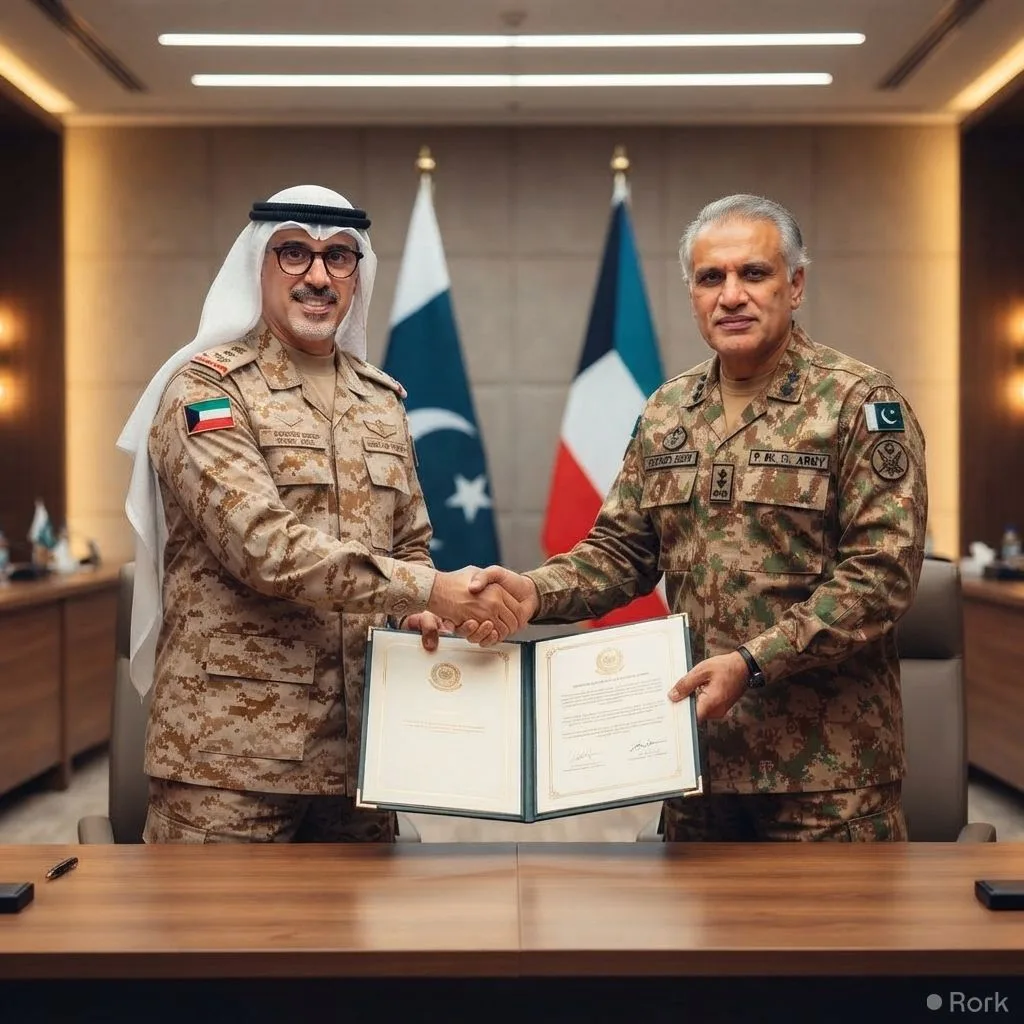
Amid a wave of uncertainty sweeping through the Gulf and the broader Middle‑East, regional powers are scrambling to shore up security partnerships that can withstand sudden shocks. In this climate, Islamabad and Kuwait have taken a decisive step to formalise their military collaboration.
On Monday, senior officials from Pakistan and Kuwait signed a defence cooperation protocol that will see the Pakistani armed forces provide extensive training, capacity‑building support and joint border‑management initiatives to their Kuwaiti counterparts. The agreement, signed at a ceremony in Kuwait City, covers a range of activities from infantry drills and counter‑terrorism workshops to the exchange of expertise in maritime surveillance and cyber‑defence.
Both sides highlighted the growing need for coordinated responses to threats such as illicit smuggling, extremist infiltration and the volatility that stems from ongoing conflicts in neighbouring Iraq and Iran. For Pakistan, the deal opens avenues to showcase its defence industry’s training modules and to deepen its strategic footprint in the Gulf, while Kuwait gains access to a seasoned partner capable of enhancing the operational readiness of its relatively small armed forces.
Analysts view the protocol as a clear illustration of South‑South defence cooperation, reflecting a shared desire to diversify security ties beyond traditional Western alliances. Islamabad expects the partnership to generate further opportunities for joint exercises and possibly joint procurement, whereas Kuwait sees the arrangement as a hedge against the destabilising ripple effects of regional tensions. If fully implemented, the cooperation could improve border‑control efficiency, bolster counter‑terrorism capabilities and reinforce the broader stability of a region that is vital to Pakistan’s economic and diaspora interests.