
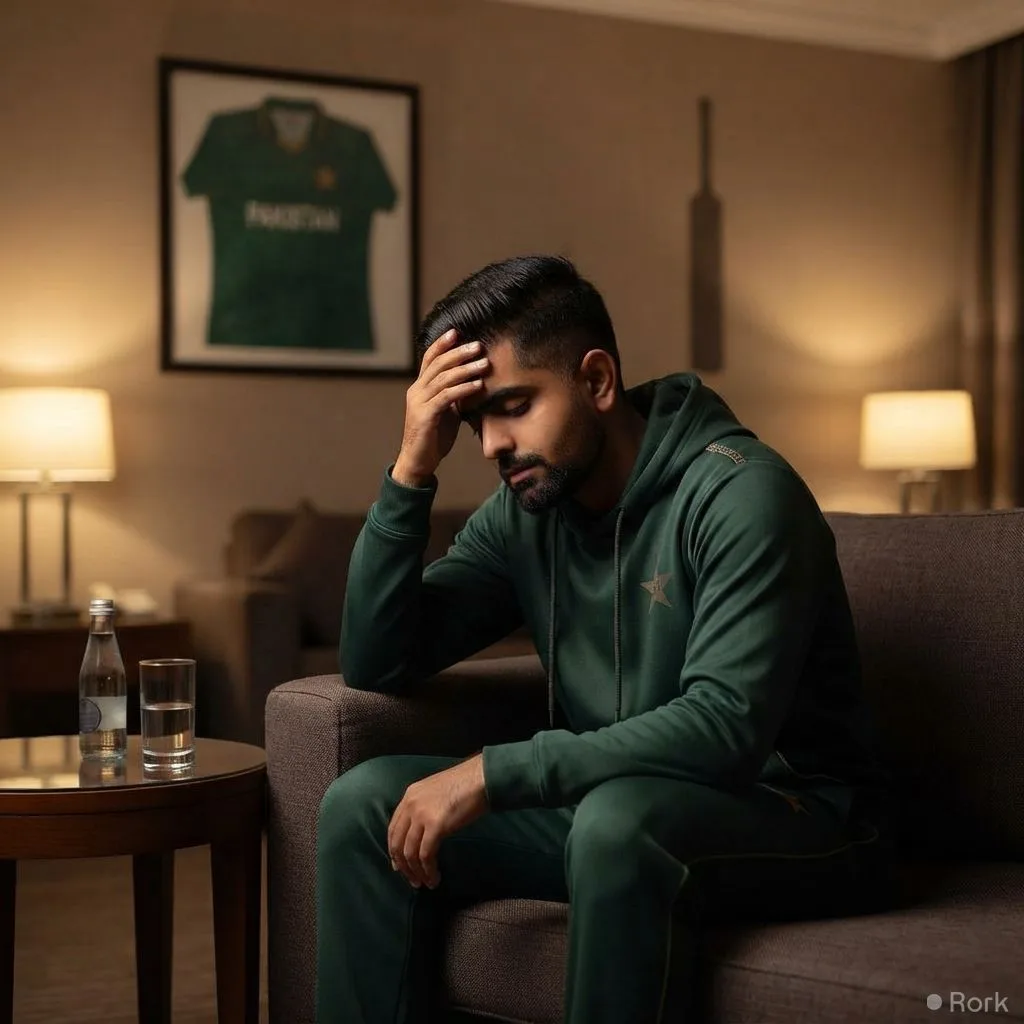
Pakistan’s Test and ODI captain Babar Azam was reported to be running a fever on Saturday, a day after the side suffered a 2‑0 whitewash at the hands of England in the recently concluded bilateral series. Sources close to the player say he has been confined to his home in Lahore and is focusing on a speedy recovery.
The illness emerged immediately following Pakistan’s loss in the second match of the three‑day series, which ended 2‑0 in England’s favour after the first fixture was abandoned due to rain. Babar, who has been a cornerstone of Pakistan’s batting line‑up and the face of the team’s resurgence over the past few years, missed the final game’s post‑match press conference, prompting speculation about his health.
Board officials have confirmed that the captain is under medical supervision and will undergo routine checks before being cleared for training. While no serious condition has been disclosed, the Pakistan Cricket Board (PCB) has asked fans and media to respect the player’s privacy and refrain from circulating unverified rumors. A formal medical update is expected within the next 48 hours.
Babar’s absence could have immediate implications for Pakistan’s upcoming fixtures, including the limited‑overs tri‑series that is slated to begin later this month and the home Test series against South Africa in early 2027. The skipper’s leadership and batting prowess have been pivotal in stabilising the side after a period of inconsistency, and his prolonged unavailability would force the PCB to consider interim arrangements for both the batting order and captaincy.
The news has sparked a wave of concern across the cricket‑loving nation, with social media buzzing with messages of support from former players, fellow teammates and ordinary fans. In a country where cricket enjoys a quasi‑religious status, any hint of a setback to the national team’s star performer tends to resonate deeply, affecting not only morale but also commercial interests tied to sponsorships and broadcasting rights.
Analysts note that while a short bout of fever is unlikely to derail the team’s long‑term plans, it does highlight the physical toll that continuous international travel and a packed calendar can exert on elite athletes. The PCB has previously emphasized the need for better workload management, and Babar’s situation may reignite calls for a more robust rotation policy, especially with the ICC Men’s World Cup looming in 2027.
As the nation awaits further details on the captain’s condition, the focus remains on ensuring a swift return to full fitness for Babar Azam, whose form and leadership will be critical for Pakistan’s ambitions in the forthcoming international engagements.