
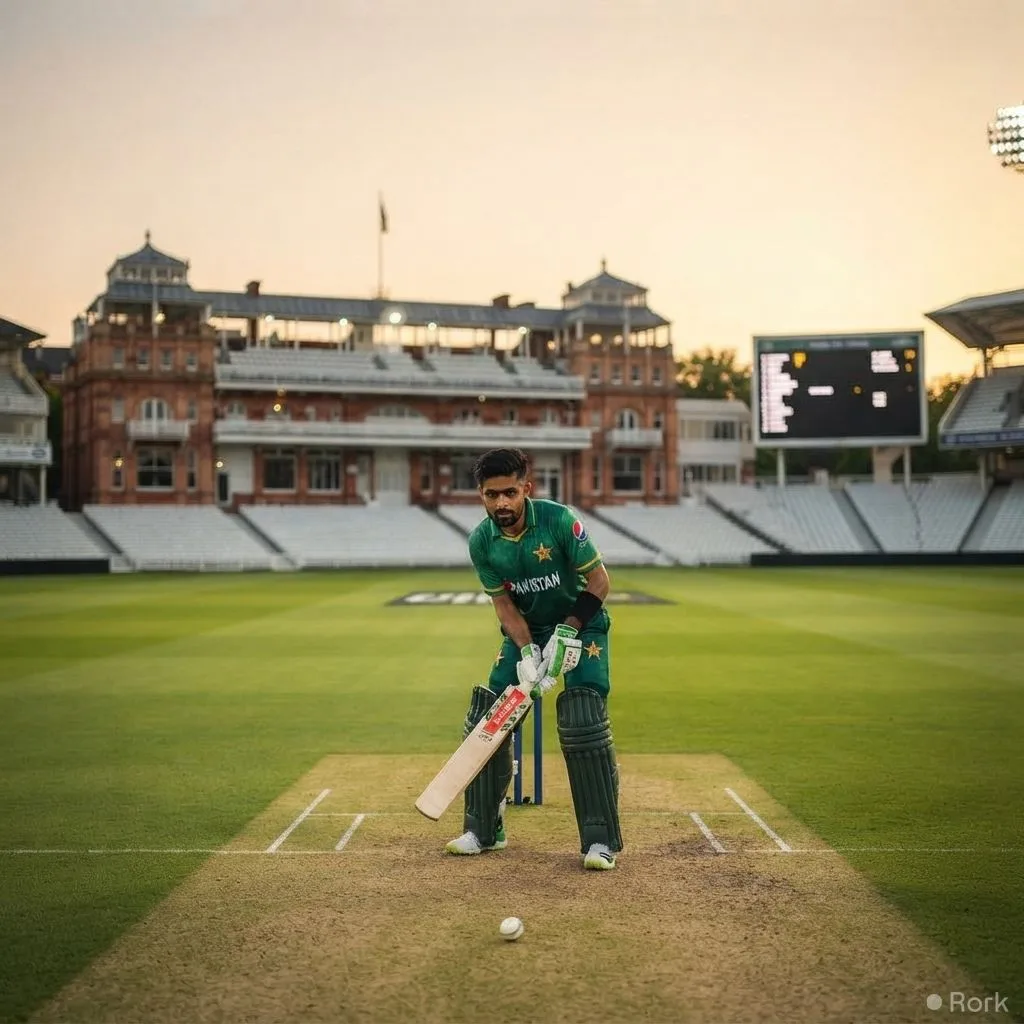
Pakistan entered the second innings of the Lord’s Test with a monumental 389‑run target after England were dismissed for 208 in their second spell, and the chase quickly unraveled as captain Babar Azam failed to provide the anchoring knock the side desperately needed.
Opening the day, England’s swing bowlers made immediate inroads, removing two of Pakistan’s top order within the first ten overs. Babar, who arrived at the crease after the fall of the third wicket, managed a modest contribution that fell far short of the 100 runs required to steady the innings, leaving the visitors trailing by more than a hundred runs with only a handful of wickets in hand.
A brief resistance emerged from the middle order, with a partnership that added just over 70 runs before succumbing to a disciplined English attack. However, the required run‑rate accelerated beyond 5 runs per over, and the Pakistani side was forced into a frantic chase that saw wickets tumble at regular intervals.
The looming 389‑run pursuit not only places Pakistan in a precarious position in the match but also threatens their chances of leveling the series. A defeat would hand England a 2‑0 lead, potentially sealing the series in England’s favour and impacting Pakistan’s ICC Test ranking ahead of the upcoming summer tour of the subcontinent.
Back home, the result will reverberate across the cricketing fraternity. Stakeholders from the Pakistan Cricket Board to grassroots clubs are likely to scrutinise the batting lineup’s fragility and the strategic decisions surrounding Babar’s role as both captain and premier batsman. With the nation’s cricket fans already expressing concerns over recent overseas performances, the outcome at Lord’s could intensify calls for a reassessment of the team’s composition before the next home series.
As the final sessions unfold, Pakistan must find a way to negotiate the steep required rate while preserving wickets, a task that will test both skill and temperament under the iconic white‑washed arches of Lord’s.