
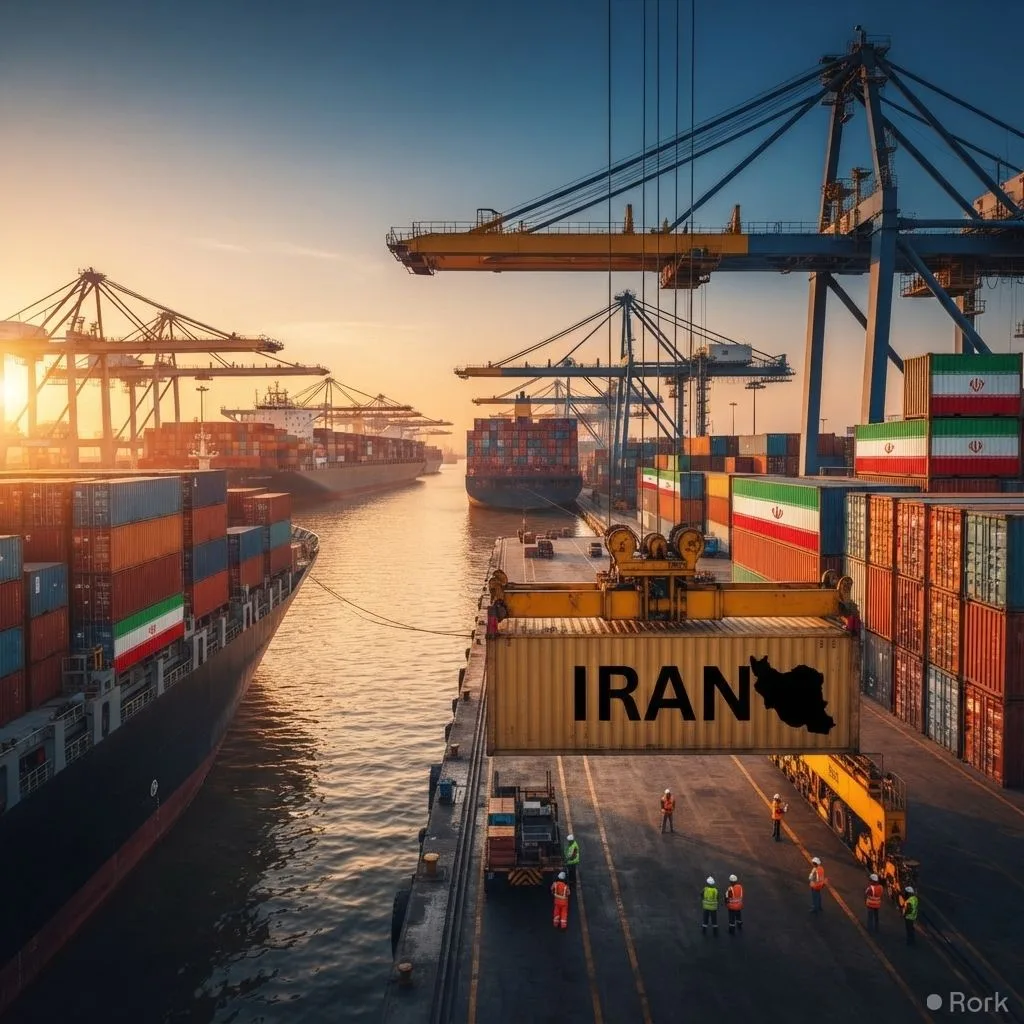
Pakistan imported goods worth Rs 68.7 billion from Iran in just the first two months of FY 2026‑27.
The trade figures, equivalent to about $248 million, mark a noticeable uptick compared with the same period last year, even as geopolitical frictions loom over the region. Data released by the Ministry of Commerce shows that the surge comes despite lingering uncertainties surrounding Iran’s international standing and the broader South‑Asian security environment.
A large share of the imports consists of petroleum‑related products, including refined fuels and lubricants, alongside construction inputs such as cement, steel billets and assorted building materials. These consignments have largely arrived through the Karachi and Port Qasim terminals, underscoring the continued strategic importance of Pakistan’s maritime gateways for regional commerce.
For the Pakistani economy, the heightened flow of Iranian supplies could provide a modest cushion to the nation’s chronic trade deficit. Lower‑priced Iranian fuel can help temper domestic gasoline and diesel prices, while the influx of construction commodities supports ongoing infrastructure projects and the housing sector, both of which are key drivers of employment and economic activity.
Both Islamabad and Tehran have publicly stressed the need to maintain and expand this commercial corridor, viewing it as a stepping stone toward broader economic cooperation in a volatile neighbourhood. Analysts caution, however, that sustaining the momentum will require navigating sanctions on Iran and ensuring that the trade remains mutually beneficial without compromising Pakistan’s external financing commitments.