
Key points:
- Punjab is investing Rs 16 billion to enlarge its Safe City surveillance network.
- Approximately 10,000 high‑definition cameras will be installed across 98 tehsils.
- The upgrade aims to provide real‑time monitoring, faster emergency response and stronger crime‑prevention capabilities.
- The expansion is part of a wider provincial drive to modernise urban security infrastructure.
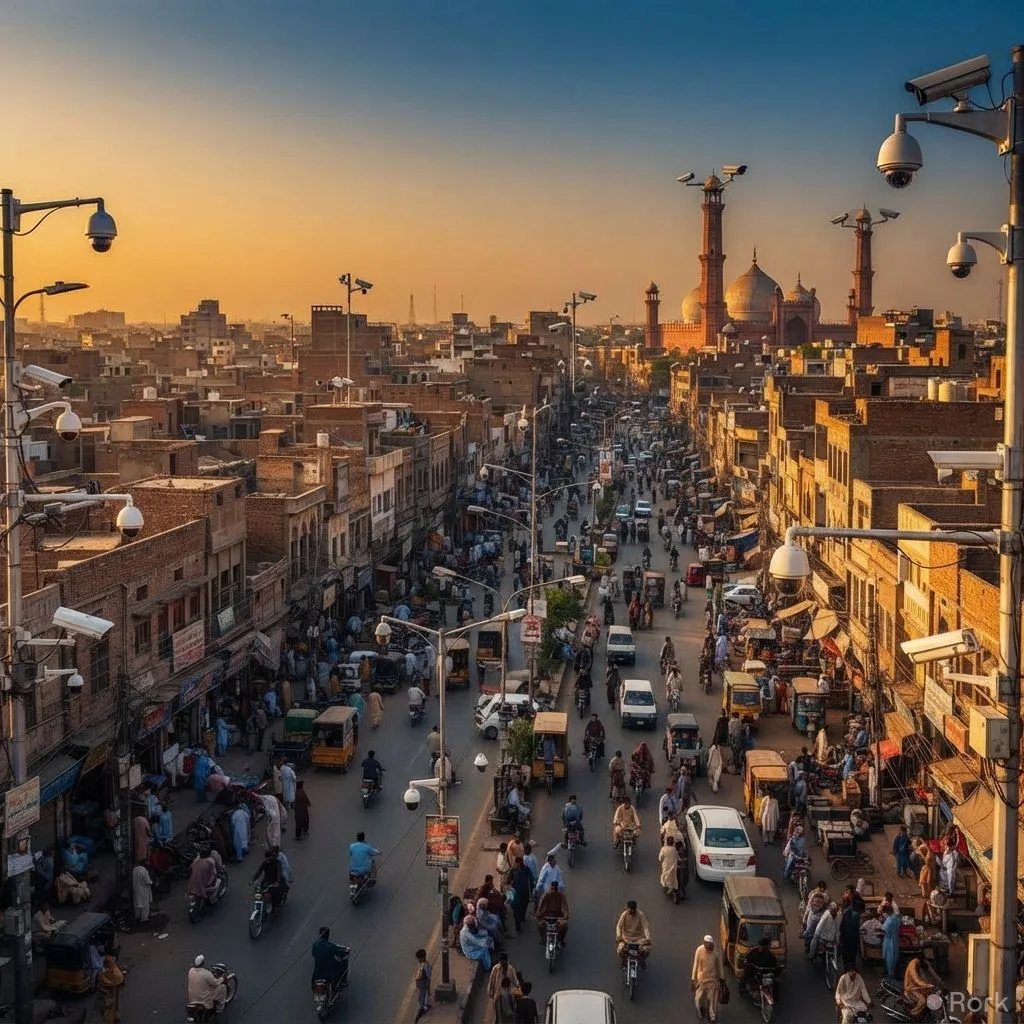
The provincial government announced the new phase of the Safe City programme on 25 September, extending the digital‑surveillance grid that already covers major urban centres such as Lahore, Faisalabad and Rawalpindi. The fresh tranche of funding will see cameras positioned at busy intersections, market places, government offices and transport hubs, linking them to a central command centre that operates 24 hours a day. By integrating the new devices with existing analytics software, authorities hope to detect incidents instantly, dispatch police or rescue teams promptly, and maintain a comprehensive evidentiary record.
Officials say the initiative will benefit a broad cross‑section of Punjab’s population. Rural districts, which have historically lagged behind in security resources, will now receive the same level of monitoring as metropolitan areas, potentially deterring theft, mob violence and illicit activities. In addition, the enhanced visual feed is expected to aid traffic management and disaster response, providing officials with up‑to‑date information during floods or other emergencies that frequently affect the province.
While the government emphasizes the public‑safety advantages, civil‑society groups have called for clear guidelines on data handling and privacy safeguards. The rollout will be overseen by the Punjab Police’s ICT department, which has pledged to store footage securely and grant access only to authorised personnel. As the Safe City network expands, the balance between surveillance for security and protection of citizens’ privacy will remain a focal point of public debate.