
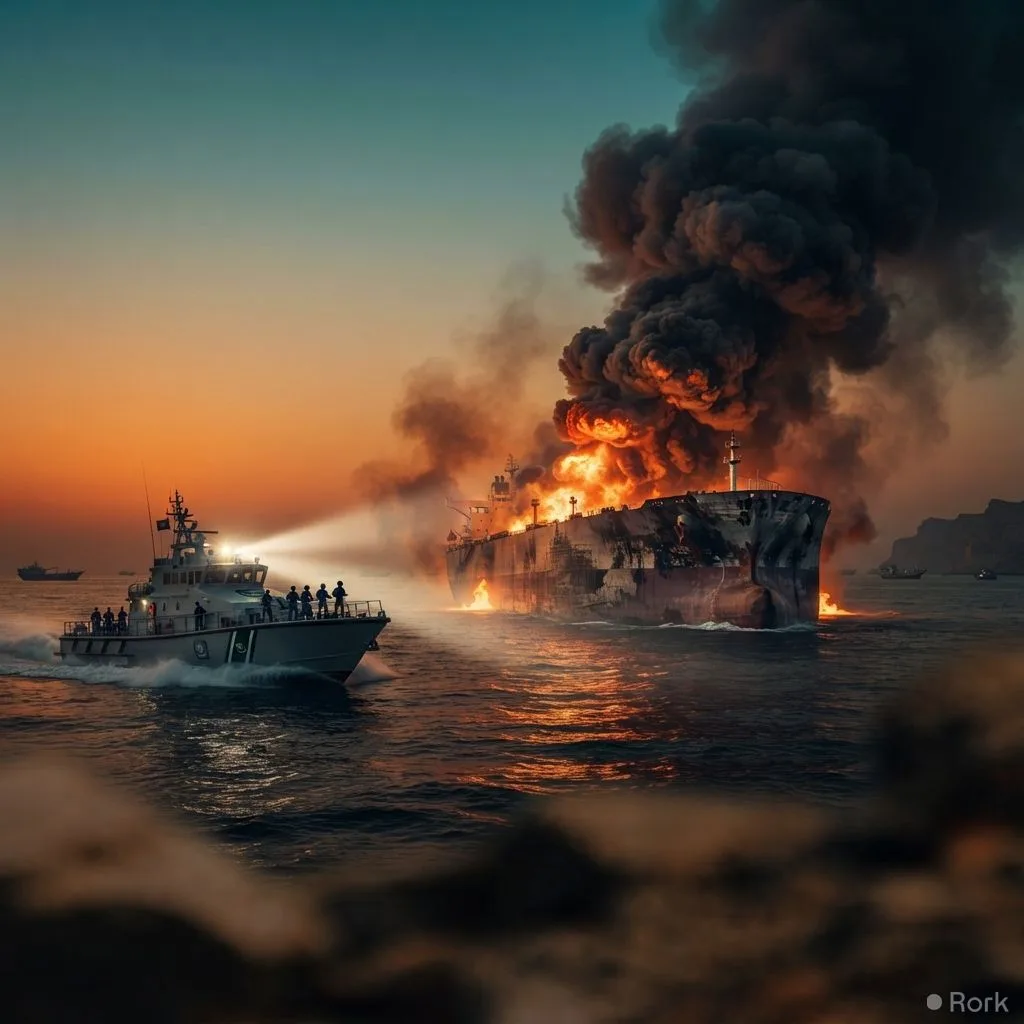
Saudi Arabia has accused Iran of firing a missile at a commercial tanker travelling through the Strait of Hormuz on Monday night, a strike that killed two crew members and left the vessel severely damaged. The ship, operated by Saudi Arabia’s national carrier Bahri, was one of two Saudi vessels hit in the waters off Oman within a short span of time.
Background
The Strait of Hormuz, a narrow waterway linking the Persian Gulf with the Arabian Sea, is the world’s most critical oil‑shipping chokepoint, handling roughly a fifth of global crude exports. Over the past year, the corridor has seen a surge in hostile incidents, ranging from drone attacks to missile launches, as regional rivalries intensify. Saudi Arabia, the largest crude exporter, has repeatedly warned that any disruption could reverberate across international markets.
Bahri’s fleet has already been targeted in the region. Earlier in 2026, one of its tankers was struck near the Omani coast, and another vessel suffered damage in the Red Sea after a suspected Iranian missile hit. Those episodes, though not fatal, underscored a pattern of escalating pressure on Saudi shipping assets.
Iran, for its part, has denied involvement in most of the alleged attacks, insisting that its naval forces are responding only to what it describes as “unjustified provocations” by Saudi and allied forces. Diplomatic channels between Tehran and Riyadh have been largely silent since the incidents, while both capitals have summoned each other’s ambassadors for “clarifications.”
What it means for Pakistan
Pakistan imports a significant share of its oil through the Strait of Hormuz, relying on shipments from Saudi Arabia, the United Arab Emirates and other Gulf states. Any prolonged interruption or a spike in shipping insurance premiums could translate into higher fuel prices at Pakistani pumps, pressuring both consumers and the transport sector.
The loss of two sailors also raises concerns for Pakistani seafarers employed on foreign‑flagged vessels that operate in the same waters. According to the Pakistan Maritime Security Agency, dozens of Pakistani crew members currently serve on tankers and cargo ships transiting the Gulf. Heightened threats could lead to stricter safety protocols, possible route diversions, or even temporary bans on crew changes, affecting livelihoods and the broader maritime labor market.
Energy traders in Karachi have already reported a modest uptick in spot crude prices following the Saudi statement, reflecting market nervousness. If the attacks persist, the country could see a ripple effect on the rupee’s stability, given the tight link between oil imports and foreign exchange reserves.
What happens next
International observers, including the United Nations maritime watchdog and several NATO navies, have called for an impartial investigation to verify the source of the missile and to prevent further escalation. Saudi officials have warned that any continuation of such strikes will compel them to take “decisive defensive measures” to protect their shipping lanes.
In the meantime, Pakistani authorities are likely to monitor the situation closely, coordinating with both Saudi and Iranian diplomatic missions to ensure the safety of Pakistani vessels. The government may also consider contingency plans, such as securing alternative oil supply routes or increasing strategic oil reserves, to cushion any potential supply shock.