
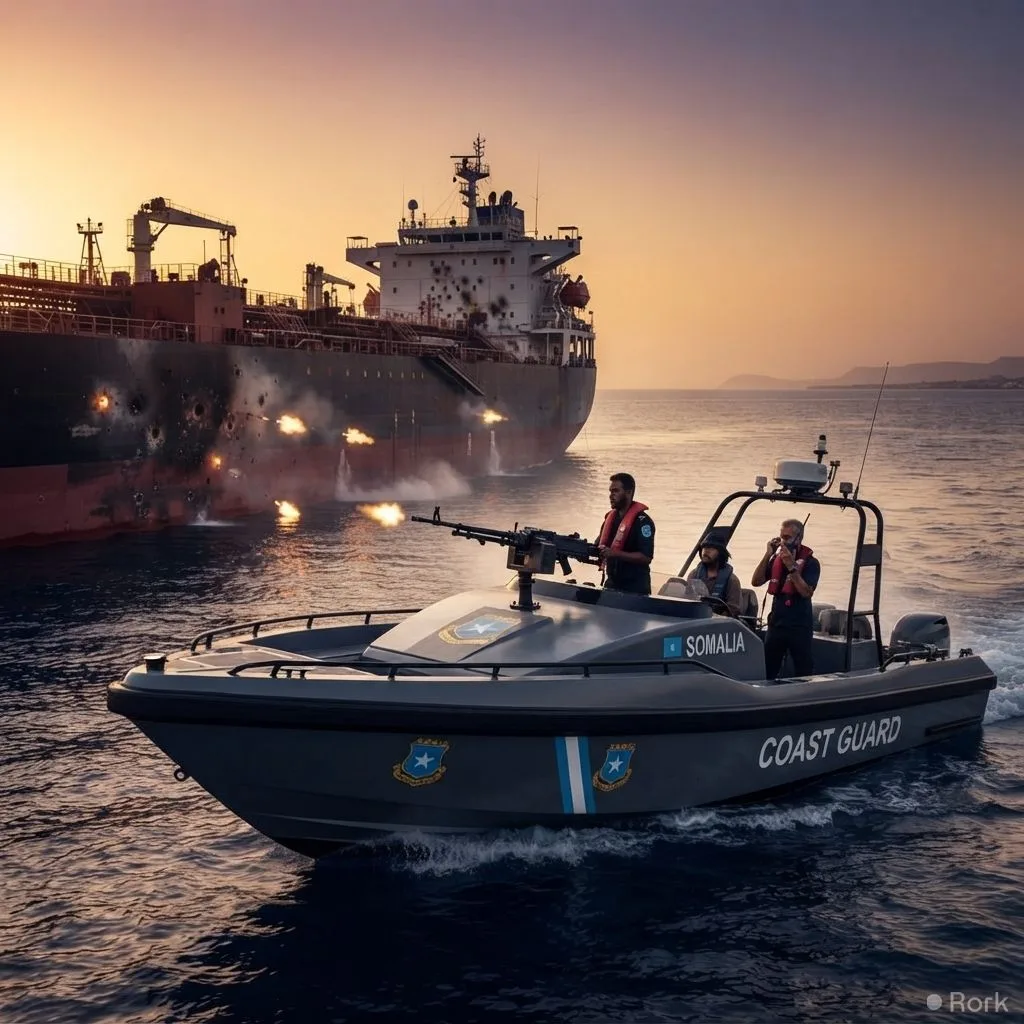
Three Pakistani seafarers were killed when Somali pirates opened fire during a rescue of the hijacked tanker MT Honour 25.
Somali naval units launched an operation on Saturday to retake the Liberian‑flagged crude‑oil tanker, which had been seized earlier in the week by a band of pirates off the coast of Puntland. As the pirates forced the crew to abandon the ship, gunfire erupted, hitting three members of the vessel’s Pakistani crew and causing fatal injuries. The remaining crew members were subsequently rescued by the Somali forces and transferred to a nearby port for medical assessment.
The MT Honour 25, a 45,000‑tonne tanker, was sailing through the busy Gulf of Aden when it was boarded. Out of a crew of twenty‑four, ten were Pakistani nationals, reflecting Pakistan’s status as one of the world’s largest providers of merchant mariners. The deaths reverberate back to Karachi’s bustling seafarers’ community, where families depend on overseas contracts for livelihood, and underscore the occupational hazards Pakistani sailors face on high‑risk routes.
Piracy in the Indian Ocean has persisted despite multinational patrols and the 2021 UN Convention on the Law of the Sea’s anti‑piracy mandates. While incidents have declined since their peak in the early 2010s, recent intelligence indicates a resurgence of small, fast‑moving pirate cells exploiting gaps in surveillance. Somali authorities, bolstered by assistance from the European Union Naval Force (EU NAVFOR) and the US Fifth Fleet, have intensified boarding drills, yet confrontations such as this reveal the volatile nature of rescue missions.
Pakistan’s Ministry of Maritime Affairs has opened an inquiry into the circumstances surrounding the fatal shooting, promising to coordinate with Somali officials and the International Maritime Organization. The ministry’s spokesperson stressed the need for enhanced protective measures for Pakistani crews, including possible deployment of private security teams and advocacy for broader regional patrols under the Indian Ocean Rim Association.
The tragedy highlights the enduring security challenges that threaten commercial shipping lanes linking the Middle East, Africa, and South Asia. As global trade depends on these routes, the loss of three Pakistani sailors serves as a stark reminder that robust, cooperative anti‑piracy strategies remain essential to safeguard both vessels and the men who navigate them.