
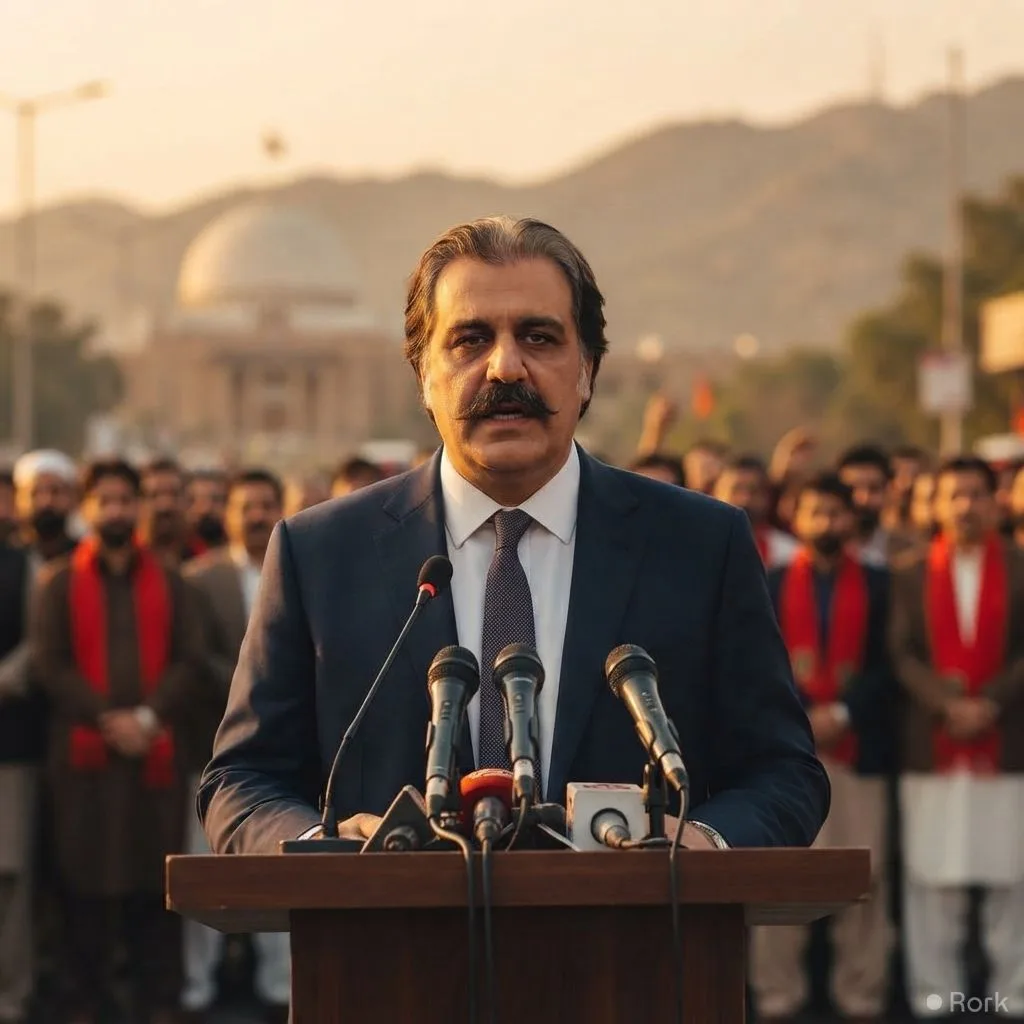
The buzz of political activity in the capital has been palpable in recent weeks, with party workers and supporters crowding tea stalls and social media feeds as Tehreek‑e‑Insaf gears up for a series of demonstrations. Against this backdrop, former Khyber Pakhtunkhwa chief minister Ali Amin Gandapur voiced sharp criticism after the party’s much‑anticipated Islamabad march was pushed back by a few days.
Gandapur told reporters that the sudden shift in timetable disrupted the ground‑level mobilisation that had been painstakingly built over the past month. “We had volunteers lining up, logistics being finalised, and a clear timeline to keep the enthusiasm alive,” he said, adding that the delay risked diluting the party’s drive just as the election calendar tightens.
He warned that any loss of momentum could prove costly in a fiercely contested electoral environment, where PTI is seeking to recover ground lost after a period of internal uncertainty and legal challenges. The postponement, he argued, not only hampers the party’s ability to project confidence but also gives rival factions a window to consolidate their own bases in the capital.
Political analysts note that timing is crucial for PTI, which has been trying to re‑energise its grassroots after a series of setbacks at the provincial level. The party’s leadership had hoped the march would serve as a rallying point to showcase unity and resolve ahead of the provincial assemblies’ elections slated for early next year. A setback in scheduling, they say, could translate into wavering voter perception and a softer impact on undecided constituencies.
While PTI officials have not disclosed a new date, Gandapur’s remarks underline the urgency felt within the party’s ranks to regain lost traction. As Islamabad awaits the rescheduled demonstration, the episode highlights how logistical hiccups can ripple through Pakistan’s volatile political landscape, where every rally and road‑show is a test of organisational stamina and public appeal.