
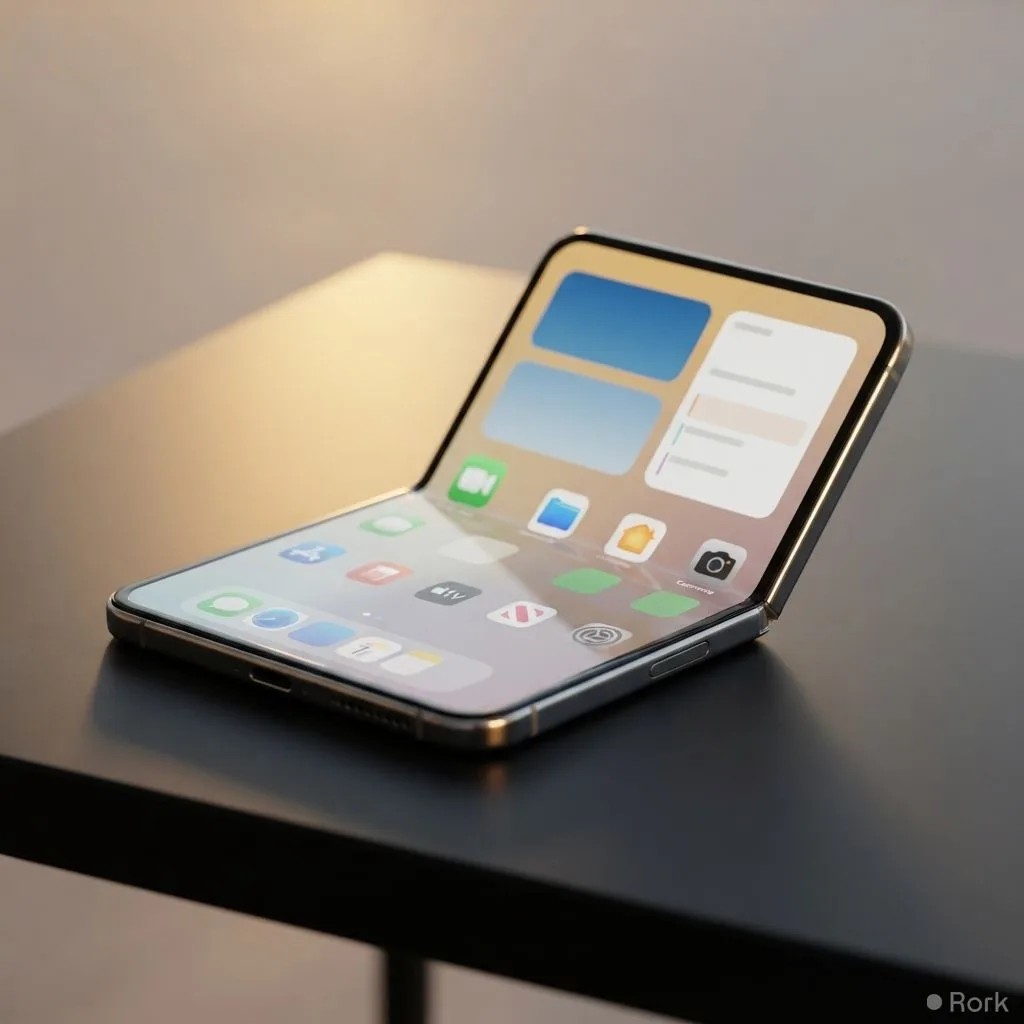
Apple will ditch Face ID for a side‑mounted fingerprint sensor on its first foldable iPhone Ultra.
Apple is reportedly gearing up to launch its maiden foldable smartphone on 10 September 2026, positioning it as the iPhone Ultra—a premium device that merges the familiar iPhone ecosystem with a flexible display. Leaks suggest the handset will feature a glass hinge engineered for durability, an inner screen with a high refresh rate, and the same cutting‑edge chipset that powers Apple’s current flagship models.
The most striking change is the biometric system: instead of the long‑standing Face ID, the new iPhone will rely on a fingerprint scanner placed on the side edge of the chassis. Analysts argue that a side‑fingerprint sensor offers more consistent performance on a device that folds, where facial recognition could be hampered by varying angles and lighting conditions.
This move thrusts Apple into a fiercely contested foldable market already dominated by Samsung’s Galaxy Z series and Huawei’s Mate X line‑up. For Pakistan, the arrival of an Apple foldable could reshape the high‑end smartphone segment, prompting local carriers such as Jazz and Telenor to negotiate exclusive launch offers and potentially influencing import duties and pricing structures.
Industry observers note that while Apple’s entry may elevate the price ceiling for premium phones in the country, it could also spur local app developers to optimise their software for larger, flexible screens. Early adopters in major cities like Karachi and Lahore are likely to be the first to experience the new biometric paradigm, setting a precedent for how biometric security will evolve across the region’s burgeoning smartphone market.