
The surge in militant activity across the rugged districts of Khyber Pakhtunkhwa has once again thrust the province’s law‑and‑order woes into the national spotlight. In the past month, security forces have reported a spate of attacks on checkpoints and civilian targets, prompting fears that the province’s fragile stability could slip further into chaos.
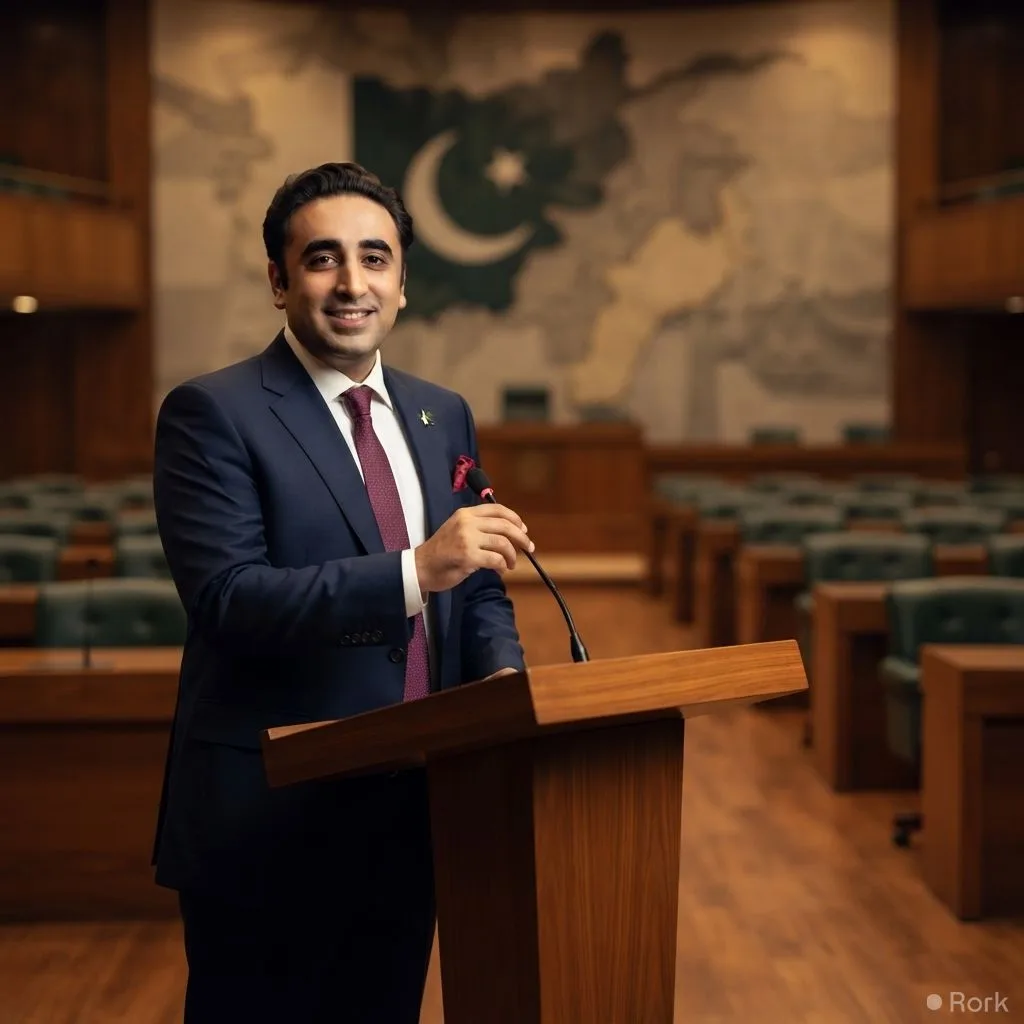
At a press briefing in Islamabad, Pakistan Peoples Party chairman Bilawal Bhutto Zardari urged the federal government to formalise a joint counter‑terrorism framework with the K‑P administration. He argued that a coordinated pact—linking intelligence sharing, joint operational planning and resource allocation—was essential to curb the rising militant threat that now stretches from the tribal belt to urban centres such as Peshawar.
Bilawal warned that any recourse to emergency powers, including the imposition of governor’s rule, must remain a constitutional last‑resort. “An emergency can only be justified after genuine political dialogue has failed,” he said, emphasizing that democratic mechanisms should precede any top‑down intervention. The chairman stressed that the province’s challenges require a political solution built on consensus rather than coercion.
The call for a centre‑province counter‑terrorism pact comes amid strained federal‑provincial relations, with the current PTI‑led K‑P government accusing Islamabad of sidelining provincial priorities in security planning. By pushing for a formal agreement, the PPP seeks to position itself as a mediator that can bridge the gap between the two levels of government, while also signalling to voters that it is proactive on national security ahead of the forthcoming general elections.
Security analysts note that a structured partnership could streamline the flow of actionable intelligence from the National Counter Terrorism Authority to provincial police and Frontier Corps units, potentially reducing response times to insurgent incursions. However, they also caution that without clear political will and adequate funding, any pact may remain a paper‑tiger, leaving the province’s residents to bear the brunt of continued violence. The coming weeks will reveal whether the federal and provincial leadership can translate Bilawal’s appeal into a tangible, constitutionally sound strategy.