
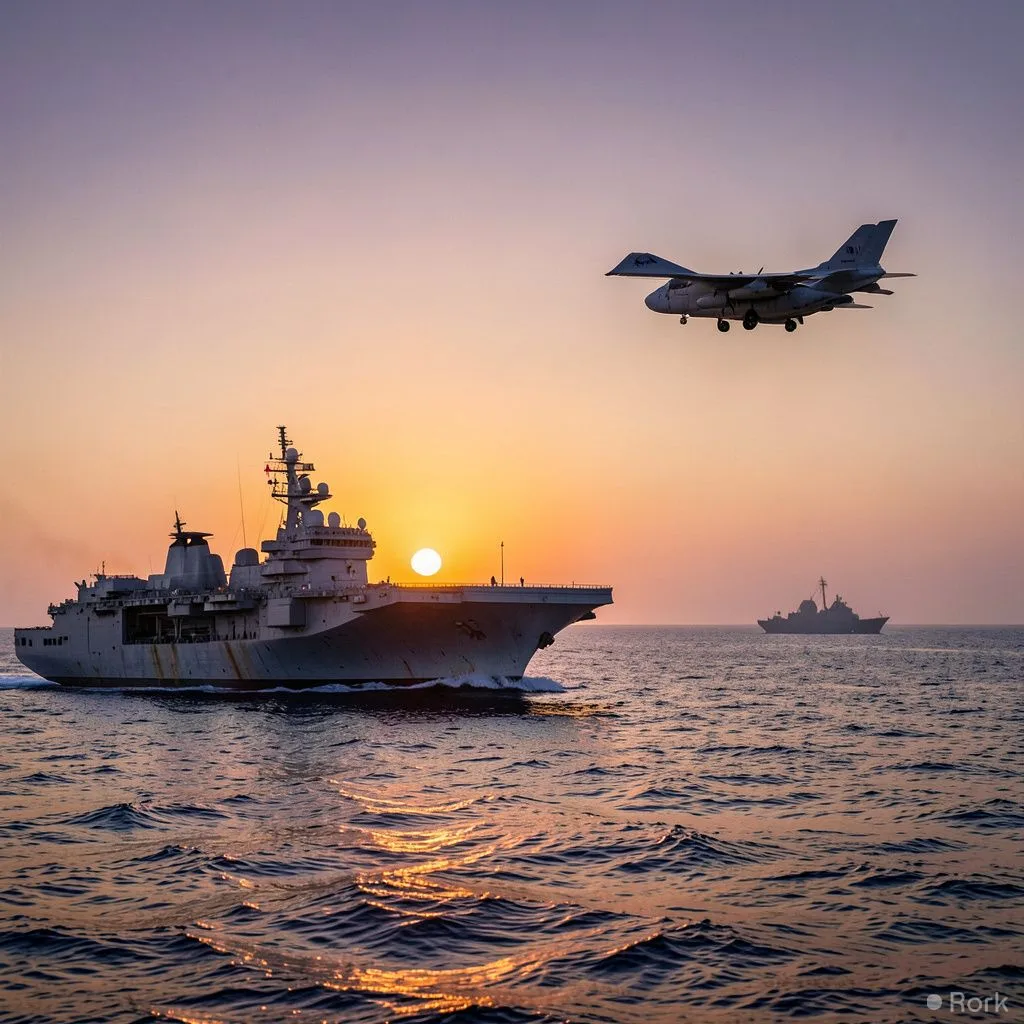
The war‑torn skies over Yemen have once again become a flashpoint for wider geopolitical rivalry, as Washington weighs whether to lend its support to a Saudi‑led aerial campaign against the Houthi rebels. In response, the Houthi movement has issued a stark warning that any U.S. participation would jeopardise American interests throughout the Middle East.
Houthi officials announced that the group would target U.S. assets across the region should Washington intervene in the Saudi strikes. The declaration came shortly after former President Donald Trump hinted that the United States was seriously considering joining the Saudi coalition’s operations against the Houthis.
Trump’s remarks have already triggered a cascade of commercial repercussions. Emirates‑based carrier Etihad Airways and Bahrain‑registered Gulf Air have cancelled all scheduled flights to Riyadh, while U.S. airline Delta Air Lines has postponed the launch of its planned Riyadh service. The sudden curtailment of air links underscores how rapidly diplomatic posturing can spill over into the aviation sector, affecting passengers, cargo flows and tourism revenues.
The United Nations’ top human‑rights official condemned the escalation, urging all parties to pursue de‑escalation and to protect civilians caught in the crossfire. The statement highlighted the growing humanitarian toll in Yemen, where more than 30 million people are already facing food insecurity and displacement.
For Pakistan, the development carries several implications. Islamabad maintains a strategic partnership with both Saudi Arabia and the United States, and a deepening conflict could strain diplomatic balances. Moreover, a significant number of Pakistani expatriates work in Saudi Arabia and the Gulf, and disruptions to flight routes may complicate travel and remittance flows that are vital to many families back home. Regional instability could also affect Pakistan’s energy imports, as oil shipments from the Persian Gulf often transit near contested waters.