
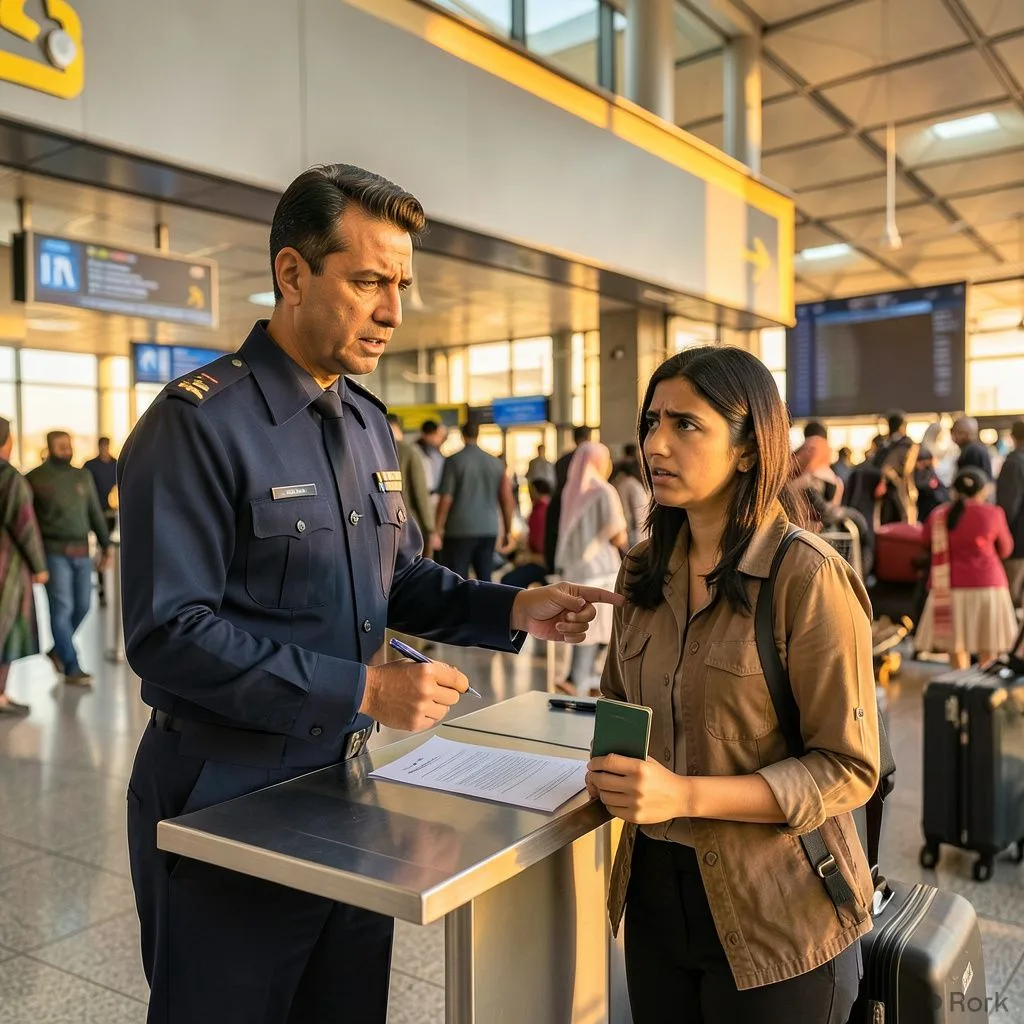
The Federal Investigation Agency (FIA) has issued fresh directives obligating immigration officers at Pakistani airports to obtain a written order before removing any passenger from an international flight, a rule that took effect on 12 October 2026. The guideline requires officials to record the exact reason, the authority behind the decision and any supporting documents in the traveller’s file, thereby eliminating the practice of off‑loading passengers on the basis of verbal instructions alone.
The change comes after a series of complaints that passengers were being denied boarding without any clear justification, prompting calls from consumer‑rights groups and the travel industry for greater accountability. Under the new procedure, an immigration officer must first receive a formal written directive—signed by a senior FIA or authorised immigration official—before a passenger can be barred from travelling abroad. The order must be entered into the passenger’s immigration record, creating a paper trail that can be reviewed by senior officials or examined in any subsequent legal challenge.
By formalising the off‑loading process, the FIA aims to safeguard the rights of Pakistani citizens who frequently travel for work, education or medical treatment abroad. Overseas Pakistani workers and students, who already face stringent visa and passport checks, will now have a documented basis for any denial, making it easier to contest wrongful refusals through administrative or judicial channels. Airlines, too, stand to benefit from the added clarity, as they will no longer have to accommodate last‑minute passenger removals that disrupt flight schedules and incur financial losses.
The FIA, Pakistan’s premier investigative body, has highlighted that the new rule does not dilute security concerns; rather, it ensures that any security‑related interventions are properly recorded and subject to oversight. The agency has instructed its regional offices to disseminate the guidelines to all immigration checkpoints, and to train staff on the documentation requirements within a two‑week rollout period.
Legal experts note that the written‑order mandate aligns Pakistan’s immigration practices with international standards on procedural fairness, which many destination countries require for entry and exit controls. Should an officer bypass the written order, the affected passenger could file a grievance with the FIA’s internal oversight division or approach the courts, potentially leading to compensation for any inconvenience or financial loss suffered.
Industry observers anticipate that the policy will reduce the number of disputed off‑loadings that have plagued major hubs such as Jinnah International Airport in Karachi and Islamabad International Airport in recent years. If implemented consistently, the rule could restore confidence among travellers and reinforce Pakistan’s image as a nation committed to transparent and accountable border management.