
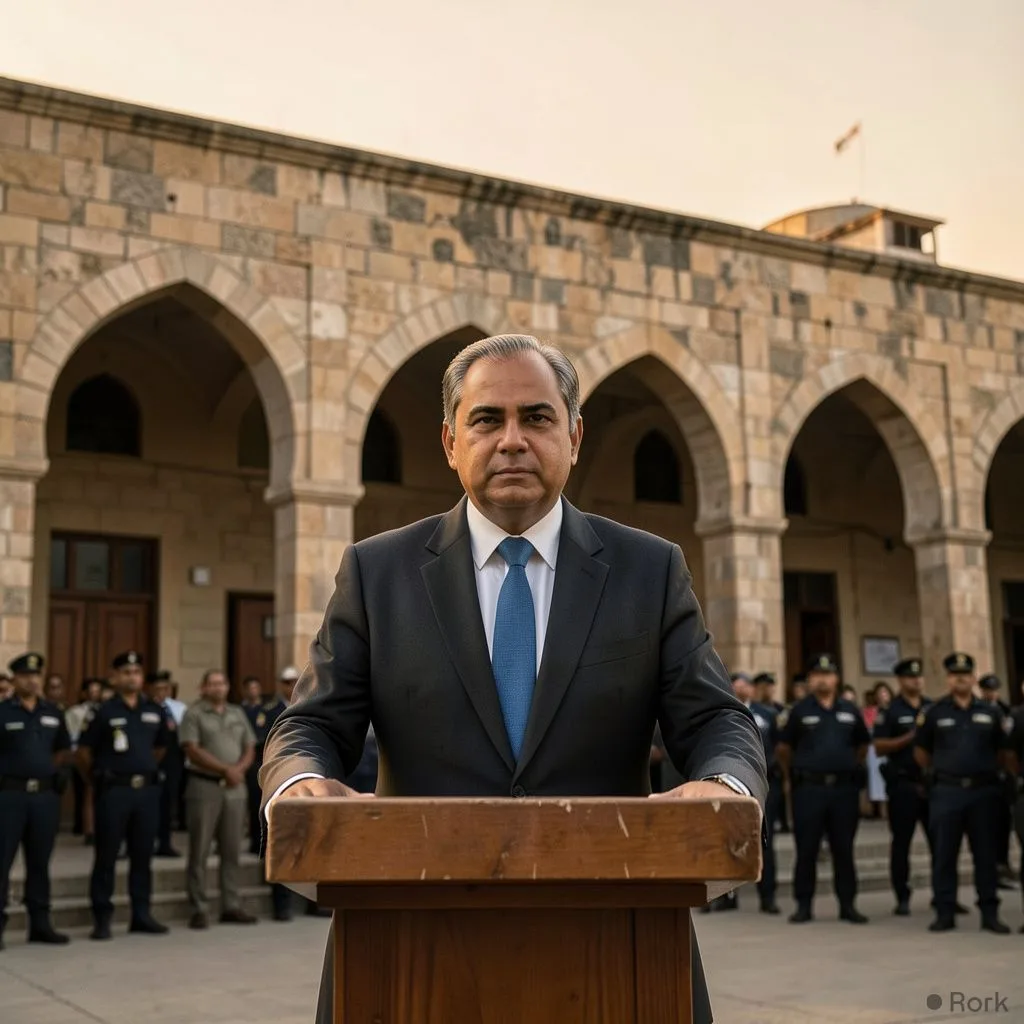
The streets of Peshawar have been eerily quiet in recent weeks, a stark contrast to the relentless wave of attacks that have scarred Khyber Pakhtunkhwa’s towns and villages. As families brace for another day of uncertainty, the federal government has taken the decisive step of imposing a provincial emergency.
Law Minister Azam Nazeer Tarar told reporters that terror‑related incidents in the province have surged by an astonishing 196 per cent compared with the same period last year. He cited a sharp uptick in bombings, targeted killings and cross‑border infiltrations, arguing that the scale of violence left the administration with no viable alternative but to suspend normal civil procedures in order to restore order.
Interior Minister Mohsin Naqvi added that talks with the Pakistan Tehreek‑e‑Insaf (PTI) continued late into the night, with negotiations reportedly lasting until midnight. However, he maintained that the deteriorating security climate forced the government’s hand, emphasizing that the emergency is intended to safeguard civilians and give security forces the latitude needed to dismantle militant networks.
Opposition parties have seized on the move, questioning whether the emergency is a proportionate response or a political maneuver that could curtail fundamental freedoms. Critics warned that the suspension of regular judicial and administrative processes might exacerbate public mistrust, especially ahead of the upcoming provincial elections.
Security officials, meanwhile, argue that the extraordinary measure is essential to halt the cycle of “daily martyrdoms” they say has become the province’s grim reality. They promise tighter checkpoints, accelerated intelligence operations and a swift return to normalcy once the threat level recedes, underscoring the hope that the emergency will buy the province a window of stability for its residents and institutions alike.