
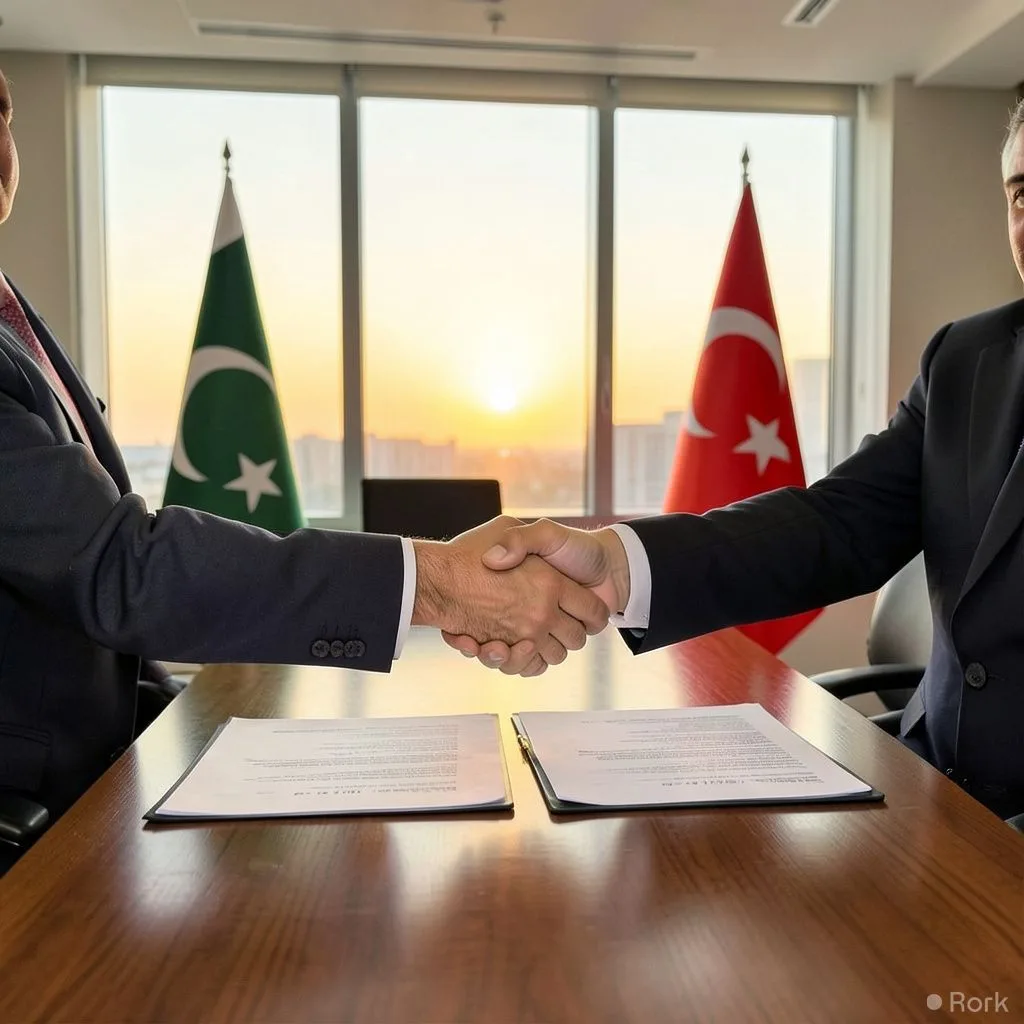
Pakistan and Turkey have sealed a new security pact, establishing a Joint Working Group between their interior ministries to coordinate counter‑terrorism and anti‑drug‑trafficking efforts.
Background
The two countries have long shared strategic interests, dating back to the early 2000s when Turkey supported Pakistan’s fight against militancy along the western frontier. Over the past decade, both Islamabad and Ankara have faced a rise in trans‑national threats: Taliban‑aligned groups have intensified cross‑border attacks, while the Golden Crescent’s narcotics routes have become increasingly sophisticated, funneling heroin and synthetic opioids through Central Asia into Europe and the Middle East.
Recent intelligence exchanges have highlighted a worrying overlap between terrorist financing and drug smuggling networks operating in the region. In response, diplomatic channels have been activated, culminating in the signing ceremony held in Ankara on 9 October 2026, where officials from the respective interior ministries pledged to create a standing working group for real‑time information sharing, joint training, and coordinated law‑enforcement actions.
What it means
For Pakistan, the agreement promises faster access to Turkish intelligence on the movement of extremist cadres that use the Iran‑Pakistan and Afghanistan‑Pakistan borders as conduits. This could translate into more precise raids on suspected safe houses in Khyber Pakhtunkhwa and Balochistan, reducing collateral damage and civilian complaints that have hampered previous operations.
On the drug‑control front, Turkish expertise in dismantling sophisticated trafficking cells—gleaned from its own experience combating the Balkan route—will be shared with Pakistan’s Anti‑Narcotics Force (ANF). This partnership may lead to joint maritime patrols in the Arabian Sea and coordinated seizures of precursor chemicals entering Pakistani ports, thereby choking a vital supply chain for synthetic drug production.
The joint working group will also facilitate joint training exercises, allowing Pakistani police and border guards to practice counter‑terrorism tactics under Turkish mentorship. Such capacity‑building is expected to improve the operational readiness of Pakistan’s interior forces, particularly in remote, rugged terrains where insurgent groups have found refuge.
From a broader perspective, the pact underscores Islamabad’s shift toward diversifying its security alliances beyond traditional partners. While the United States and China remain key actors, the Turkey‑Pakistan collaboration adds a NATO‑member perspective to Islamabad’s counter‑terrorism calculus, potentially opening avenues for multilateral cooperation within frameworks such as the Shanghai Cooperation Organisation (SCO) or the Istanbul Process.
What happens next
The Joint Working Group is slated to convene its inaugural meeting within the next month, where both sides will outline a detailed work plan, including the establishment of secure communication channels and the schedule of joint exercises. Analysts anticipate that the first joint operation could target a known heroin transit hub in the Sindh‑Baluchistan border area, aiming to seize shipments before they reach the international market.
If the collaboration proves effective, it may set a precedent for similar bilateral mechanisms with other neighboring states, further weaving a regional security net that addresses the intertwined challenges of terrorism and drug trafficking. The success of this venture will be closely watched by policymakers, security agencies, and the public alike, as it could shape Pakistan’s domestic safety and its standing on the global stage.