
Key points:
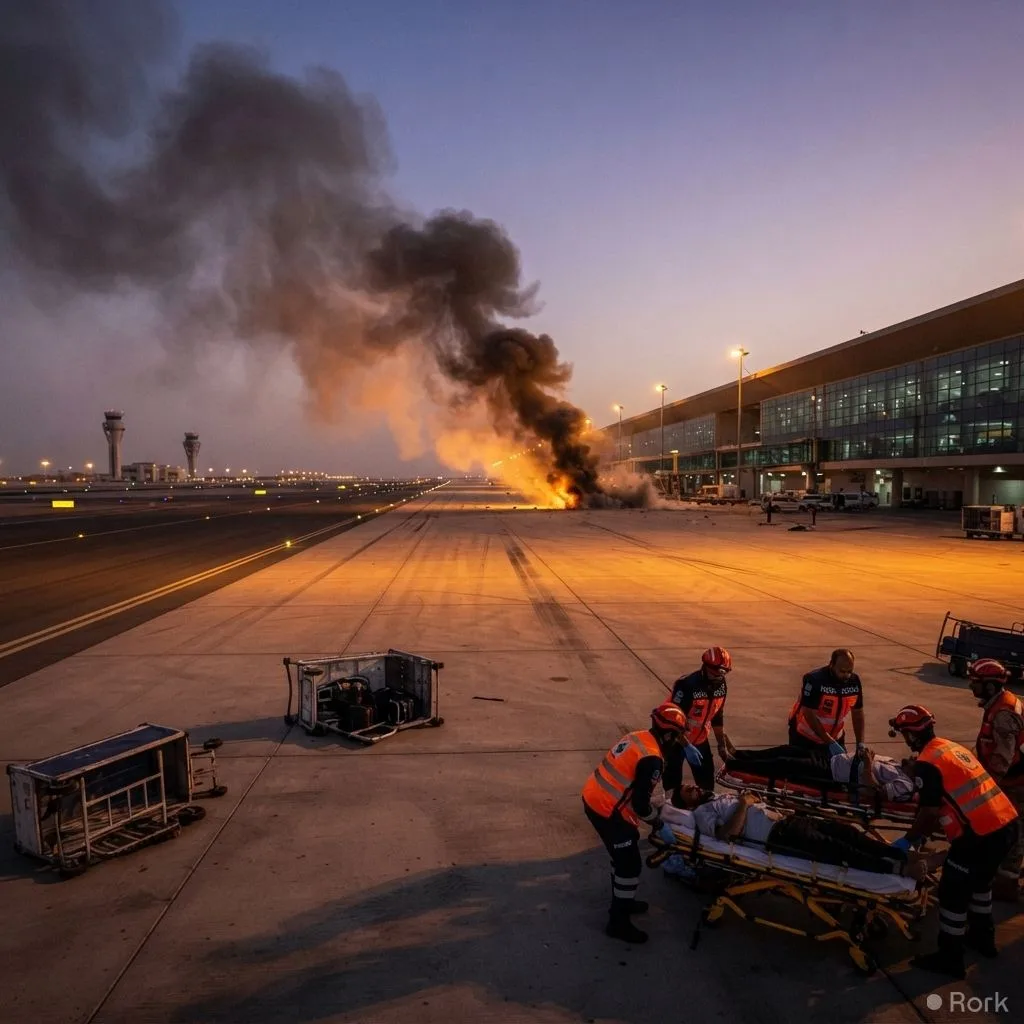
- Three civilians were killed and 36 others injured after Houthi missile strikes hit multiple Saudi Arabian airports, including an aircraft attempting to land at Aden.
- The attacks are part of a broader escalation by Iran‑aligned Houthi forces as they push back against Saudi‑backed coalition advances in Yemen.
- Ongoing fighting has forced large numbers of Yemenis from their homes and deepened an already severe food insecurity crisis.
- The heightened insecurity in the Gulf could affect Pakistan’s trade routes, expatriate community, and humanitarian assistance programmes in the region.
The Yemen war entered a new, volatile phase on Friday when Houthi fighters launched a coordinated missile barrage against several Saudi airports. One of the missiles struck an aircraft that was on its final approach to Aden International Airport, causing it to crash and killing three passengers, all civilians, while 36 other travellers and airport staff suffered injuries ranging from minor wounds to serious trauma.
Saudi Arabia, which leads the coalition that has been fighting the Houthi rebels since 2015, condemned the strikes as “unprovoked aggression” and vowed to intensify its air campaign to regain control of key territories seized by the Iran‑aligned movement. The coalition’s recent ground offensives have succeeded in recapturing several strategic towns, but the Houthi’s missile capability continues to threaten both military and civilian infrastructure across the kingdom and neighboring Gulf states.
The humanitarian fallout of the renewed hostilities is already stark. United Nations estimates indicate that more than four million Yemenis have been displaced since the latest round of fighting began, while food aid deliveries are being hampered by the insecurity around airports and ports. With Yemen’s staple grain supplies dwindling, hunger rates are projected to climb sharply, compounding a crisis that the world has struggled to contain for over a decade.
For Pakistan, the escalation carries several implications. Saudi Arabia remains a major destination for Pakistani migrant workers, many of whom send remittances that support families back home. Disruptions at Saudi airports could impede travel and affect the flow of these funds. Moreover, Pakistan’s humanitarian agencies, including the Pakistan Red Crescent Society, are active in Yemen, providing medical aid and food assistance; intensified conflict could jeopardise their operations and increase the demand for aid. The situation also underscores the strategic importance of stability in the Gulf for Pakistan’s energy imports, as any prolonged disruption could reverberate through oil markets and impact the country’s economy.