
Key points
- Pakistan’s foreign ministry says India’s unilateral suspension of its Indus‑water allocation breaches the 1960 Indus Waters Treaty.
- Foreign Minister Shah Mahmood Qureshi called the move “intransigent” and illegal, warning that water is being weaponised for political ends.
- The reduction in water flow could jeopardise irrigation for millions of farmers in Punjab and Sindh and curtail hydropower generation at downstream dams.
- Both governments have been urged to return to the treaty‑based dialogue to prevent further escalation in a volatile region.
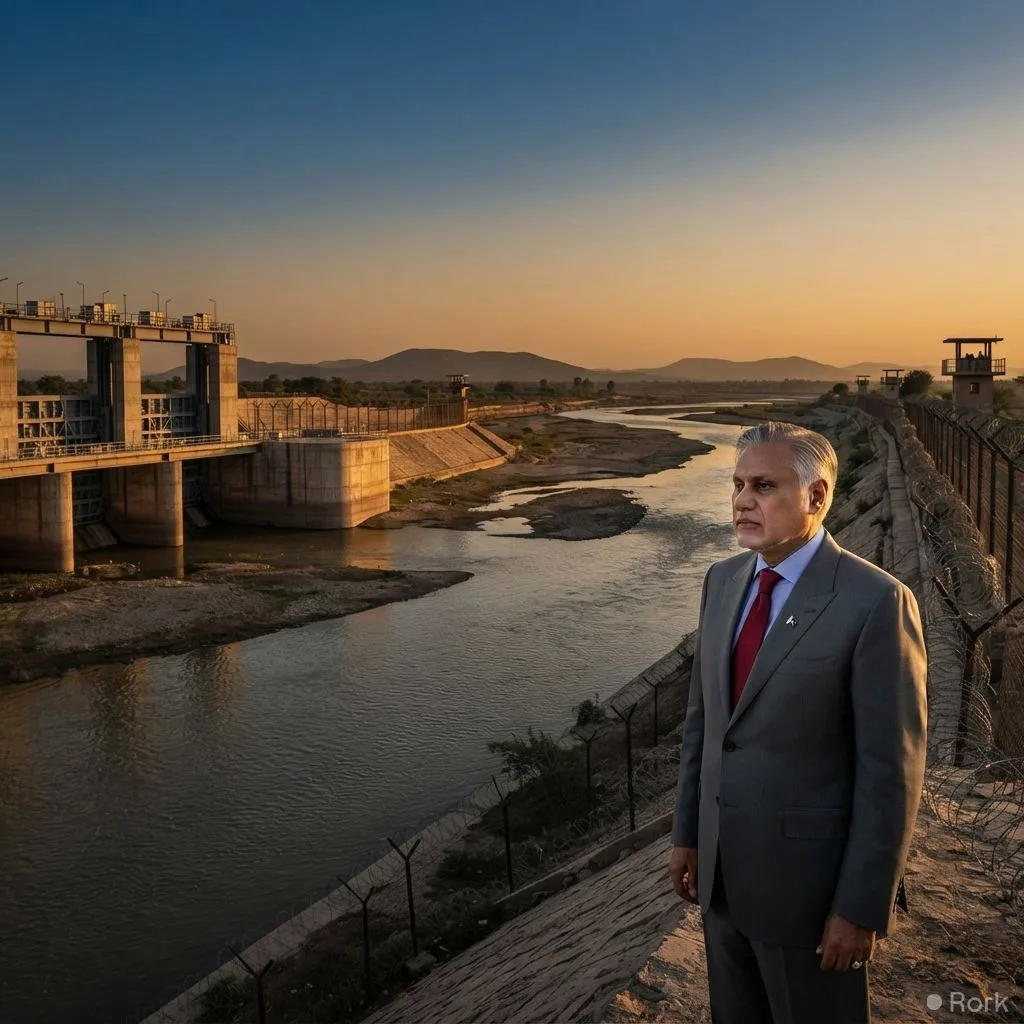
Pakistan’s foreign ministry lodged a formal protest on Tuesday, asserting that India has no legal justification for halting the water share allotted to Pakistan under the Indus Waters Treaty. The treaty, signed in 1960 and overseen by the World Bank, divides the waters of the Indus system between the two countries, granting Pakistan rights to the western rivers – the Indus, Jhelum and Chenab – while India controls the eastern tributaries.
Foreign Minister Shah Mahmood Qureshi described India’s action as “intransigent behaviour” and an illegal attempt to turn a vital shared resource into a political instrument. He warned that using water as a lever threatens regional stability, especially at a time when both nations face heightened security challenges along their border.
The immediate impact of the water cut is expected to be felt most acutely in Pakistan’s agrarian heartland. Reduced flow in the Chenab and Jhelum could diminish irrigation water for cotton, wheat and rice farms that sustain the livelihoods of over 30 million people. Moreover, lower river levels will affect the output of major hydroelectric projects such as the Tarbela and Mangla dams, potentially creating shortfalls in electricity supply during peak summer demand.
International observers and water experts have called for both sides to revert to the treaty’s dispute‑resolution mechanisms rather than pursuing unilateral measures. A renewed dialogue, they say, is essential to preserve the Indus basin’s role as a lifeline for the subcontinent and to avoid a spiral of retaliatory actions that could destabilise an already fragile geopolitical environment.