
Key points:
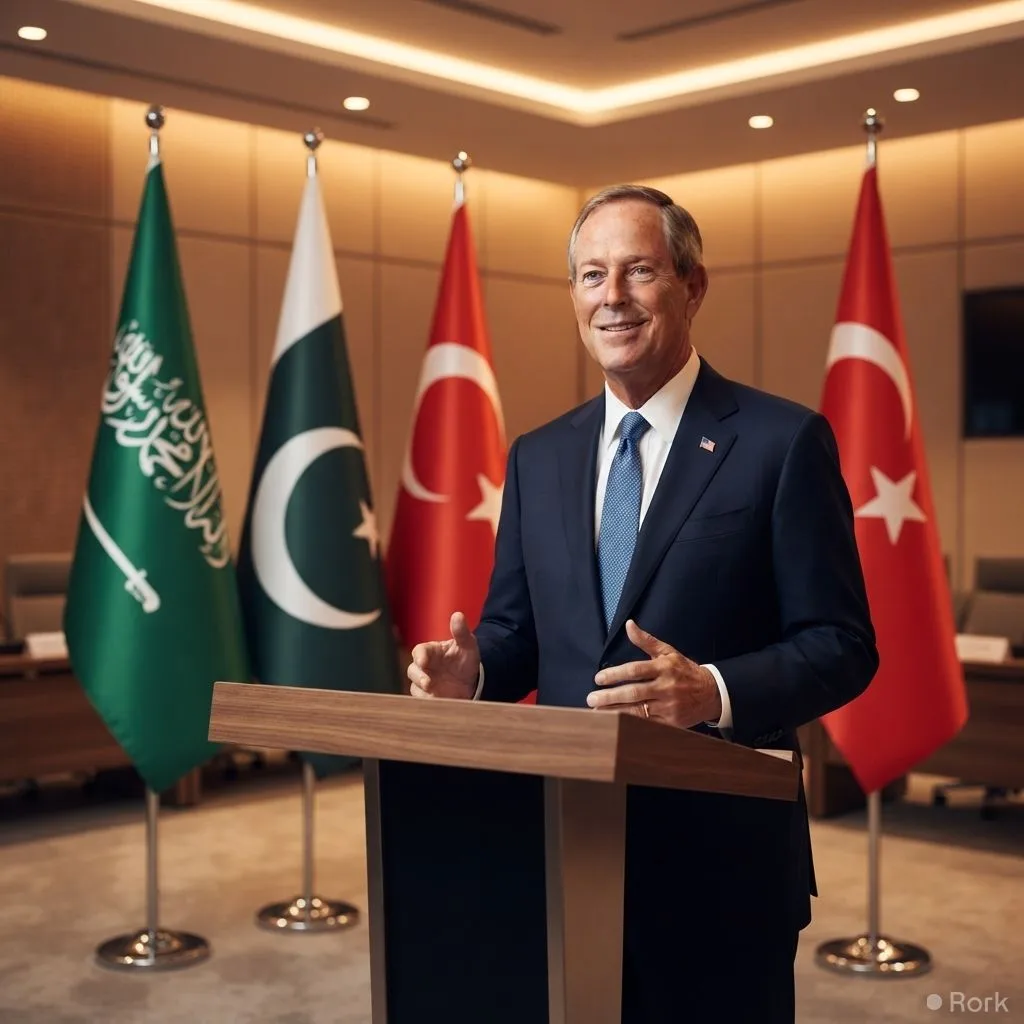
- U.S. Representative Joe Wilson Sr. warned that the newly formed Makkah Defence Alliance (MDA) could evolve into a NATO‑style security architecture for the Middle East.
- The trilateral pact brings together Saudi Arabia, Pakistan and Turkey to deepen defence coordination, joint exercises and intelligence sharing.
- Washington is closely watching the alliance, viewing it as a potential reshaping of the strategic balance in the Gulf and South‑Asia region.
- For Pakistan, participation in the MDA may bolster its military ties with two major regional powers while also prompting a reassessment of its relationship with the United States.
U.S. Representative Joe Wilson Sr., a longtime member of the House Armed Services Committee, described the Makkah Defence Alliance as having “the potential to become the NATO of the Middle East.” Speaking on the House floor, Wilson highlighted that the three founding members – Saudi Arabia, Pakistan and Turkey – have already initiated joint training drills and begun sharing intelligence on common threats such as terrorism and maritime security. He cautioned that a formalized, multilateral security bloc could alter the existing power equations, especially as Iran and other regional actors seek to expand their influence.
The alliance, announced last month during a summit in Mecca, is presented by its members as a defensive partnership aimed at enhancing collective security and deterring external aggression. Turkey’s Defence Minister emphasized the importance of “interoperability and coordinated response” in the face of evolving challenges, while Saudi officials framed the MDA as a means to protect critical infrastructure and trade routes. Pakistan’s foreign ministry described the pact as “a strategic opportunity to deepen defence cooperation with allies that share common security concerns,” signalling a shift toward a more assertive regional posture.
Washington’s response reflects growing unease in the United States about any new security architecture that could diminish American influence in the Middle East. Senior officials in the State Department have reportedly requested detailed briefings on the MDA’s command structure, decision‑making processes and long‑term objectives. Analysts note that while the alliance is still in its infancy, the involvement of Pakistan—a key U.S. partner in counter‑terrorism and a major supplier of military equipment—adds a complex layer to bilateral ties. Islamabad must now balance its commitment to the MDA with its existing security cooperation with the United States, especially concerning arms sales, joint exercises, and intelligence collaboration.
Experts suggest that the MDA’s trajectory will depend on how quickly the three nations can institutionalize joint operations and whether they can present a united front amid competing regional interests. For Pakistan, active participation could translate into greater access to advanced training platforms, enhanced maritime surveillance capabilities, and a stronger diplomatic voice in Gulf affairs. At the same time, it may compel Islamabad to navigate delicate diplomatic waters with Washington, which is likely to seek assurances that the alliance will not undermine existing U.S. security frameworks in the region.