
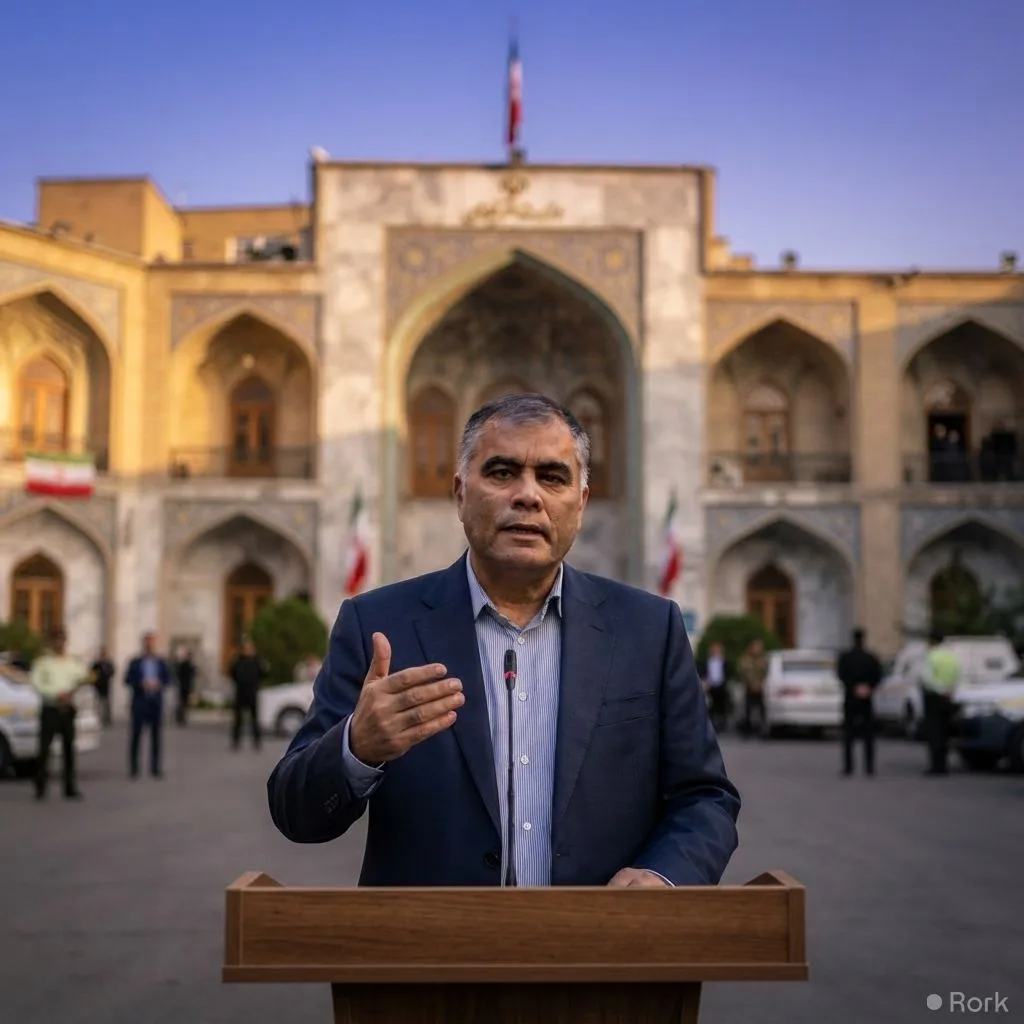
Key points
- Tehran asserts that a military victory in the ongoing conflict is unattainable and urges all sides to return to the negotiating table.
- The foreign ministry demanded an immediate cease‑fire, the release of Iranian frozen assets and the removal of sanctions as pre‑conditions for any diplomatic breakthrough.
- Oil Minister Mohsen Paknejad handed in his resignation, citing personal reasons, adding uncertainty to Iran’s already strained economy.
- Iranian officials warned that continued aggression could trigger a more forceful response from Tehran.
Iran’s foreign ministry reiterated that the war cannot be resolved on the battlefield and called for urgent talks aimed at a lasting cease‑fire. In the same statement, it appealed to the international community to unfreeze Iranian sovereign wealth and lift the punitive sanctions that have crippled the nation’s oil revenues. The rhetoric marks a shift from earlier diplomatic overtures, indicating that Tehran is prepared to adopt a sterner posture if its demands are ignored.
The resignation of Oil Minister Mohsen Paknejad, announced as a personal decision, comes at a critical moment for Iran’s energy sector, which is already grappling with reduced export capacity and a shrinking fiscal base. Analysts fear that the leadership vacuum could further delay reforms needed to stabilize the country’s oil market, potentially affecting regional oil prices and trade flows that are closely watched by Pakistani importers and refineries.
For Pakistan, the developments carry several implications. A prolonged stalemate in the region could keep crude oil prices volatile, pressuring the already fragile balance of Pakistan’s trade deficit. Moreover, any escalation in Tehran’s threat posture may reverberate through the broader South Asian security environment, where Pakistan monitors shifts in Iranian foreign policy as part of its own strategic calculations.
While Tehran continues to press for diplomatic relief, its warning of a “stronger response” signals that the government remains ready to back its political demands with forceful measures if provoked. The dual strategy of seeking sanctions relief while signaling readiness for retaliation underscores the complexity of the situation and the challenges faced by regional actors, including Pakistan, in navigating the evolving geopolitical landscape.