
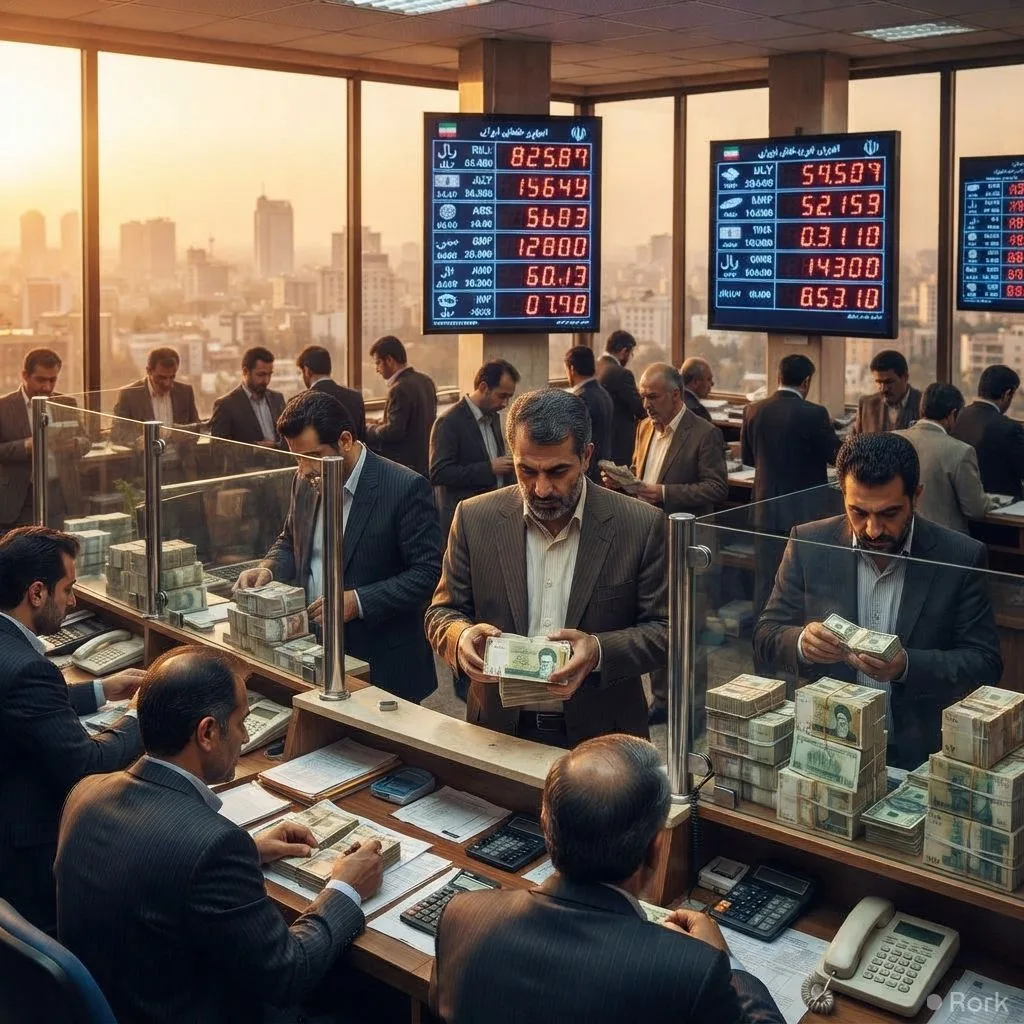
The Iranian rial slipped to an unprecedented low on Thursday, with the United States dollar trading at roughly 2.4 million rials in Tehran’s free‑market exchange – the weakest level ever recorded for the currency. The sharp drop was confirmed by Iran’s informal market dealers and reported by local financial monitors, coming amid a deepening balance‑of‑payments crunch and soaring domestic inflation.
The official exchange rate, set by the Central Bank of the Islamic Republic of Iran, remains far higher, but the free‑market price is the benchmark that most Iranians use for everyday transactions, from buying food staples to paying utility bills. The widening gap between the two rates reflects dwindling foreign‑currency reserves, intensified U.S. sanctions and the government’s inability to secure sufficient hard‑currency inflows to meet import demand.
Economists warn that the devaluation will tighten the squeeze on Iranian households, whose purchasing power has already been eroded by double‑digit inflation. Businesses that rely on imported raw materials face sharply higher costs, prompting many to curtail production or seek cheaper local alternatives. The Central Bank has hinted at “emergency measures,” but options are limited; past attempts to stabilise the rial—such as raising interest rates or imposing tighter capital controls—have provided only short‑lived relief.
The fallout is not confined to Iran’s borders. Pakistan, a key regional trading partner, imports Iranian oil, petrochemicals and certain agricultural products. A weaker rial makes these imports cheaper in rupee terms, potentially easing pressure on Pakistan’s own balance of payments but also raising concerns about a flood of lower‑priced Iranian goods that could undercut local producers. Moreover, a destabilised Iranian market may affect remittance flows from the sizable Iranian‑Pakistani diaspora and could prompt Pakistani investors to reassess exposure to Iranian assets, which have become riskier amid heightened currency volatility.
Policy‑makers in Islamabad are watching the situation closely. While a depreciating neighbour could temporarily benefit Pakistan’s import bill, sustained instability in Iran’s economy may ripple through regional supply chains, fuel inflationary pressures, and complicate bilateral trade negotiations. Analysts suggest that both countries may need coordinated monetary and trade policies to mitigate spill‑over effects, especially as they navigate a broader environment of global monetary tightening and volatile commodity prices.