
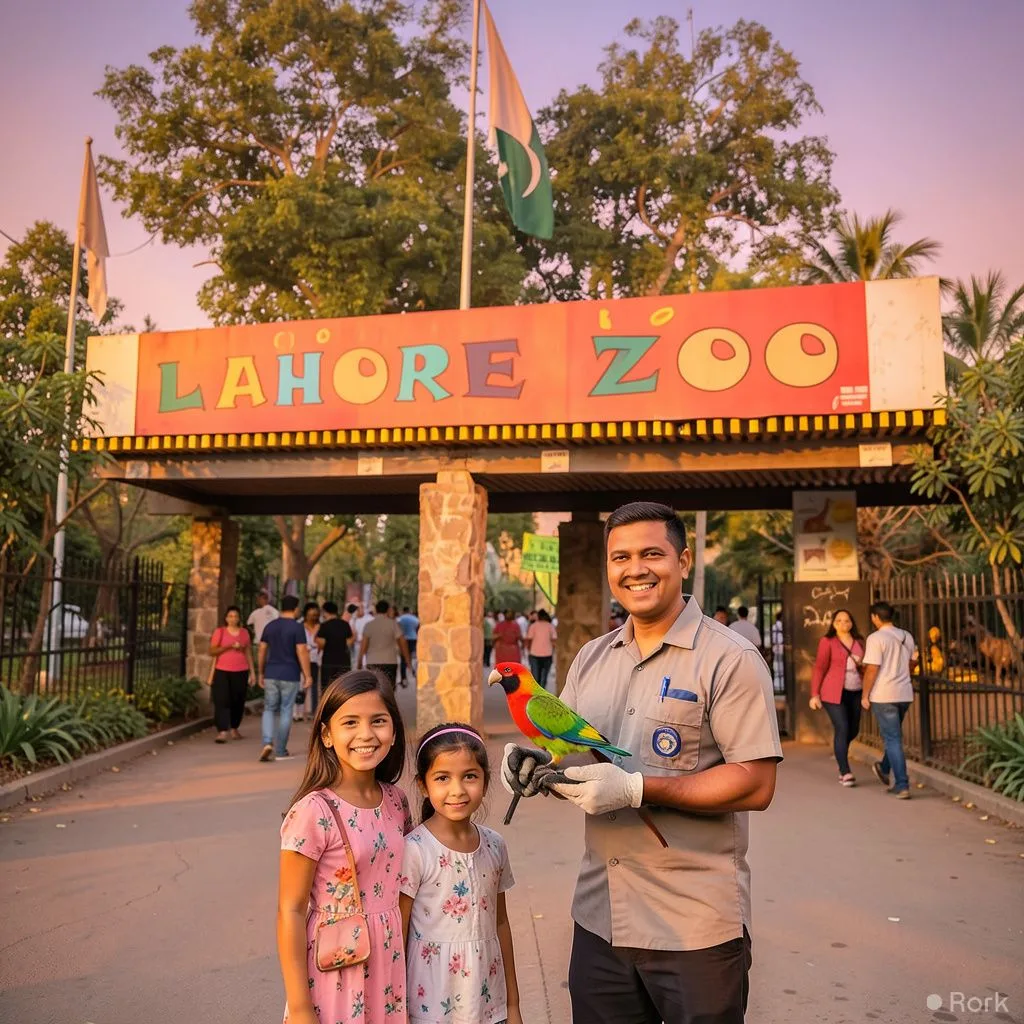
Lahore Zoo announced today the rollout of a temporary‑adoption scheme that lets city residents take a symbolic “care‑taking” role for the zoo’s animals and birds. Through a simple registration process, participants will receive an adoption kit and regular updates on the health and habits of their chosen creature.
Background
The idea of public animal adoption is not new to Pakistan; several wildlife sanctuaries have experimented with donor‑driven sponsorships to offset operating costs. However, most of those programmes have been limited to long‑term financial contributions rather than the hands‑on, educational experience Lahore Zoo now offers. In recent years the zoo has faced mounting pressure to improve animal welfare standards, modernise enclosures, and expand its conservation outreach, especially for native species such as the snow leopard, Punjab urial and various migratory birds that pass through the region each winter.
Responding to calls from educators, NGOs and animal‑rights groups, zoo management drafted a pilot project that would engage the public directly. The initiative was fine‑tuned over six months with input from veterinarians, zoologists and curriculum designers, ensuring that the information provided in each adoption kit aligns with national wildlife‑education guidelines and the Pakistan Biodiversity Act of 2022.
What it means
For families and schools in Lahore, the programme opens a practical avenue to teach children about biodiversity, habitat needs and conservation challenges without leaving the city. An adoption kit contains a species profile, simple care‑guidelines (such as recommended feeding patterns for herbivores or enrichment activities for birds), and a digital log that delivers monthly health reports from the zoo’s veterinary team. By receiving these updates, adopters can see the direct impact of their contribution, fostering a personal connection that often translates into advocacy and volunteerism.
From the zoo’s perspective, the temporary adoptions generate a modest but steady stream of revenue that can be earmarked for enclosure upgrades, veterinary supplies and breeding programmes for endangered native fauna. The model also expands the zoo’s outreach network: adopters are encouraged to share their experiences on social media, potentially drawing more visitors and donors. In a city where public funding for cultural institutions is limited, this community‑driven support mechanism could help bridge the budget gap and improve overall animal welfare standards.
What happens next
The adoption portal is now live on the zoo’s official website, with slots allocated on a first‑come, first‑served basis for each species. After registration, participants receive their kit by courier and gain access to a dedicated online dashboard where they can monitor their animal’s progress and ask questions of zoo staff. The zoo plans to evaluate the pilot after twelve months, measuring metrics such as participant retention, funds raised and any observable improvements in animal health or enclosure conditions.
If the trial proves successful, Lahore Zoo intends to broaden the scheme to include more exotic species and possibly partner with other wildlife facilities across Pakistan, creating a nationwide “adopt‑a‑creature” network. Such expansion could amplify conservation messaging, inspire similar initiatives in schools, and ultimately contribute to a more informed public that values and protects the country’s rich natural heritage.