
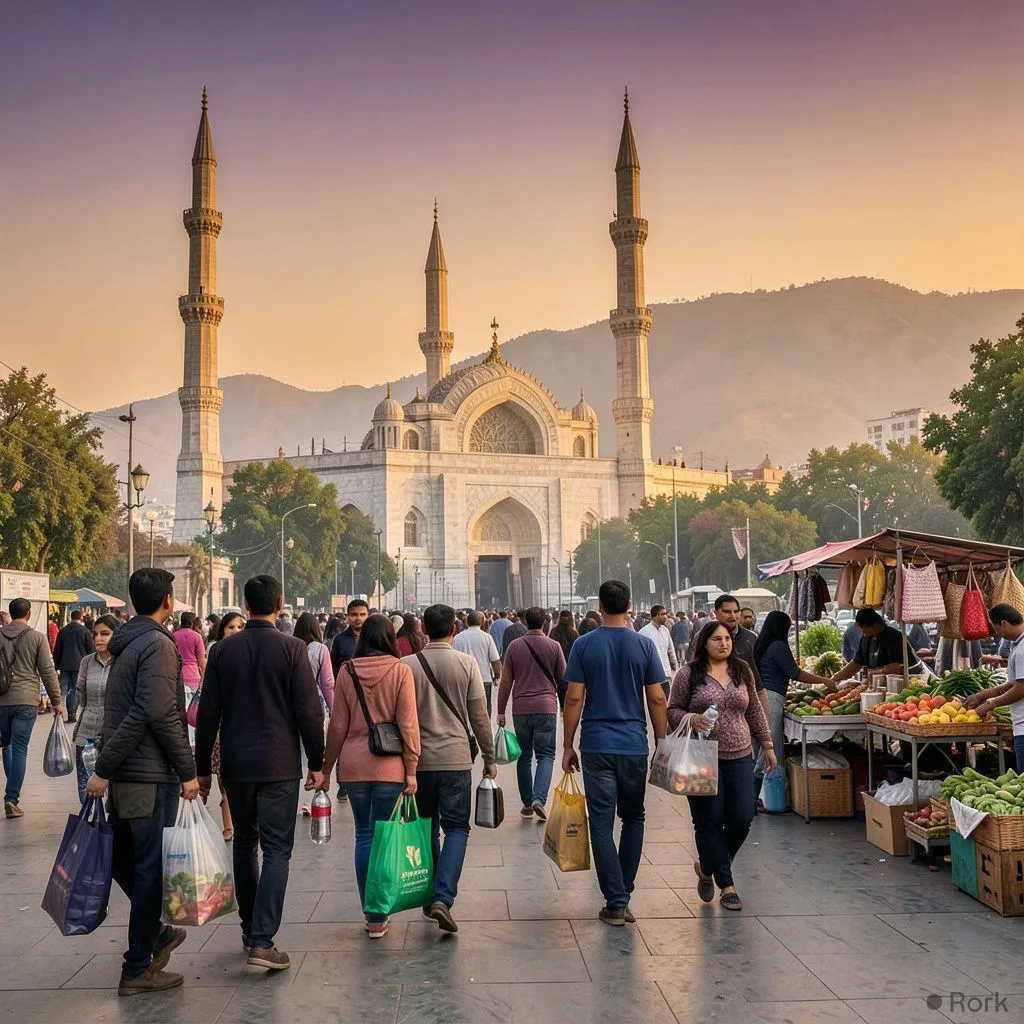
What happened?
The Islamabad Capital Territory administration unveiled a roadmap to transform the capital into Pakistan’s inaugural plastic‑free city by the end of 2027, targeting a city‑wide prohibition on single‑use plastic items in public areas, markets, and government facilities.
Why does it matter for Pakistan?
With Islamabad generating roughly 400 metric tonnes of plastic waste annually, the ban aims to curb litter that chokes waterways, threatens wildlife, and adds to the nation’s mounting solid‑waste crisis. A successful rollout could serve as a template for other metropolises such as Lahore and Karachi, where plastic pollution is a pressing environmental and public‑health issue.
How will the city enforce the ban?
The plan combines stricter licensing rules for vendors, penalties for non‑compliance, and subsidies for businesses that switch to reusable or biodegradable packaging. It also establishes new recycling hubs, partners with local startups and NGOs to produce affordable alternatives, and launches a city‑wide awareness campaign to educate residents about sustainable consumption.
What are the next steps and potential hurdles?
Authorities will begin phased enforcement in major commercial districts next month, while monitoring mechanisms will be set up to track waste reduction metrics. Challenges include ensuring affordable access to reusable goods for low‑income communities and aligning the initiative with existing municipal waste‑management capacities, which will require coordinated effort between the government, private sector, and civil‑society groups.