
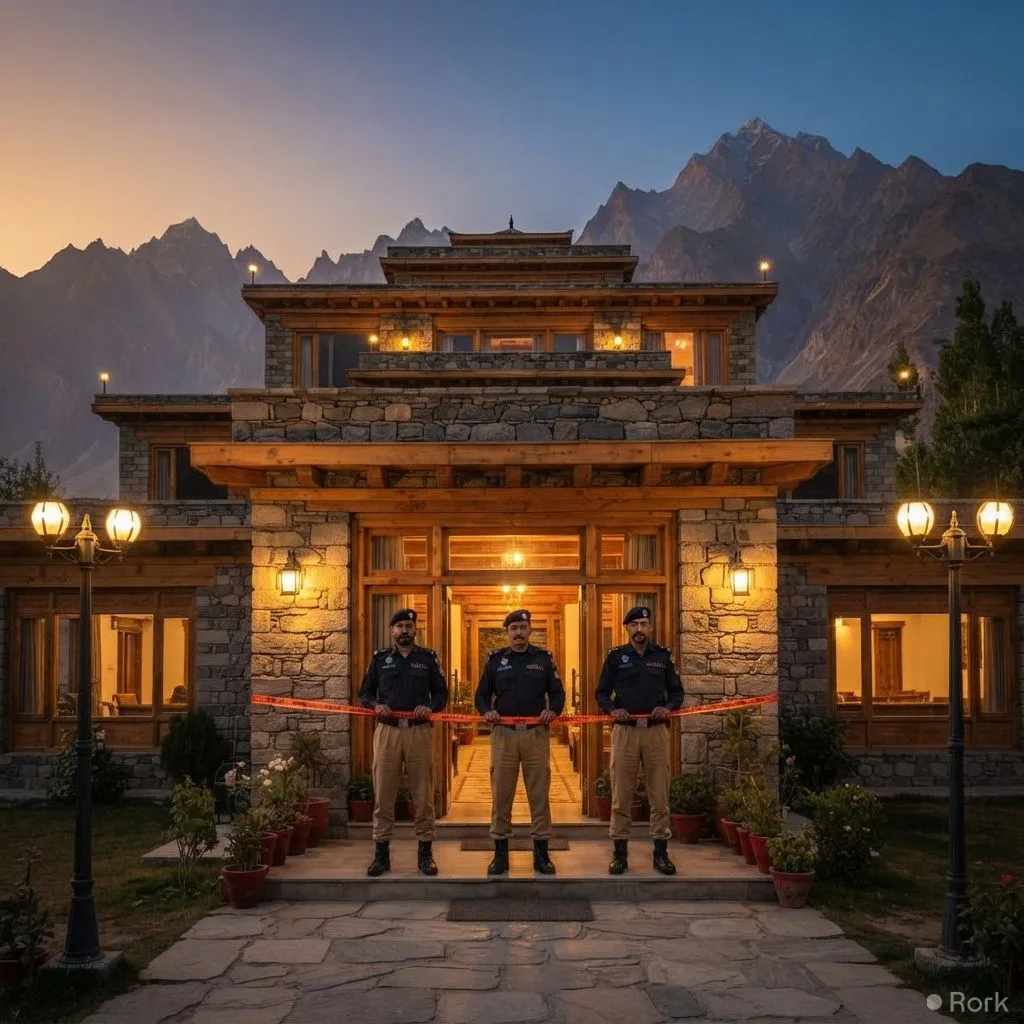
A video showing what appeared to be an unsanctioned dance gathering at Ambiance Hotel and Restaurant in Aliabad, Hun za, has gone viral on social media. In response, the Hun za district administration ordered the immediate sealing of the property, halting all hotel and restaurant operations until further notice.
Background
The clip, which was posted on several Pakistani platforms last week, depicts a group of young adults dancing to loud music inside the hotel’s banquet hall. Viewers quickly labeled the footage “inappropriate” because the choreography and attire were deemed at odds with the conservative cultural standards that dominate Gilgit‑Baltistan’s society. Within hours, the video amassed thousands of shares, comments, and calls for action from local residents and religious organisations.
Local authorities acted after the video sparked a wave of criticism across the region. District Commissioner (DC) Muhammad Aslam issued a statement saying the event violated public morality and potentially breached the hotel’s licensing conditions, which require compliance with the Gilgit‑Baltistan Tourism Department’s code of conduct for hospitality establishments. The sealing order, signed on 6 October 2026, mandates that the hotel’s premises remain closed until a thorough inspection and any required corrective measures are completed.
The incident underscores the growing power of online content to prompt swift administrative responses. In recent years, Pakistani regulators have become increasingly attentive to social media trends, especially when they intersect with cultural sensitivities. The rapid escalation from a private gathering to a district‑wide shutdown illustrates how viral media can accelerate the enforcement of existing statutes.
What it means
For tourists and business travelers, the closure of Ambiance Hotel removes a key accommodation option in Hun za’s Aliabad district, which has been positioning itself as a gateway for trekkers heading to the Karakoram range. Local tour operators anticipate a short‑term dip in bookings and may need to redirect guests to alternative lodgings in nearby Gulmit or Karimabad, potentially increasing costs for visitors.
Hospitality owners in Gilgit‑Baltistan now face heightened scrutiny over event management and compliance with cultural norms. The sealing serves as a warning that any perceived deviation from accepted standards—particularly those captured and amplified online—can result in immediate regulatory action. This may push hotels to tighten security, revise event‑hosting policies, and seek explicit permissions from the tourism department before organising gatherings.
The broader community sees the incident as a reaffirmation of local moral values. Religious and community leaders have praised the administration’s swift response, arguing that it deters future violations and protects the region’s cultural heritage. At the same time, some youth groups have expressed concerns about excessive policing of social activities, highlighting a growing tension between modern entertainment trends and traditional expectations.
What happens next
The district administration has announced that a joint inspection team comprising officials from the tourism department, the local police, and the district health office will assess the premises within the next 48 hours. The team will verify whether the hotel held the necessary permits for public events, whether noise‑level regulations were breached, and whether any health‑safety standards were compromised during the alleged party.
If the inspection uncovers violations, the hotel could face fines, revocation of its operating licence, or a prolonged shutdown. Conversely, should the owners demonstrate compliance and implement corrective measures—such as installing stricter entry controls, revising staff training, and obtaining prior clearance for any future events—the sealing order may be lifted. The outcome will set a precedent for how other hospitality businesses in Gilgit‑Baltistan manage social gatherings in an era where a single video can trigger decisive government action.