
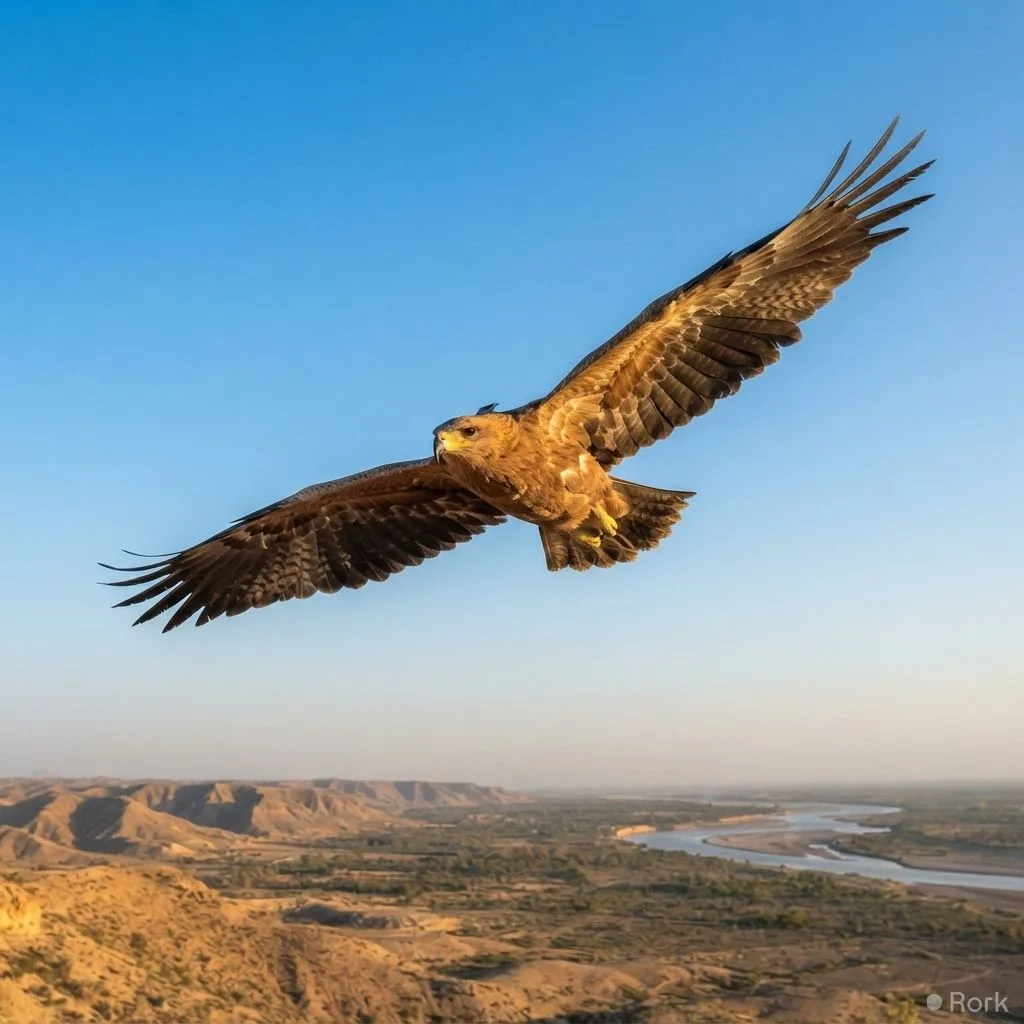
The early morning light over the Indus River delta was painted with the usual chorus of gulls and the rustle of reeds when a striking silhouette cut across the sky, drawing startled glances from anglers and early‑rising commuters alike. As the bird’s broad, white‑tinged wings glided effortlessly above the wetlands, birdwatchers quickly realized they were witnessing a visitor that had not been seen in the country for more than a century and a half.
The raptor, identified as a white‑tailed sea eagle (Haliaeetus albicilla), is one of the most iconic members of the sea‑eagle family, known for its powerful build, keen eyesight and distinctive white plumage on the tail and lower back. Historical records indicate that the last confirmed sighting in what is now Pakistan dates back to the early 1870s, making this observation the first of its kind in approximately 155 years. Enthusiasts from Karachi’s coastal clubs to the hill‑top observatories of the Murree region gathered their binoculars and cameras, eager to document the rare event.
Ornithologists suggest that the eagle’s unexpected arrival could be linked to shifting migratory pathways, possibly driven by subtle changes in regional climate patterns or alterations in prey availability along traditional routes. The Indus delta, with its mosaic of mangroves, tidal flats and fish‑rich waters, offers an ideal hunting ground for a species that normally frequents the coasts of Europe and Central Asia. While the precise catalyst remains unclear, researchers emphasize that such sightings underscore the resilience of Pakistan’s varied ecosystems when they are afforded adequate protection.
Conservation groups have seized the moment to call for heightened vigilance among the public, urging anyone who spots the white‑tailed sea eagle—or other uncommon wildlife—to report the location, time and behavior to local wildlife authorities. They argue that increased citizen‑science data can help map emerging patterns and inform habitat‑preservation strategies, especially in fragile wetlands that face pressure from development and pollution. The sighting not only offers a boost to the nation’s birdwatching community but also serves as a vivid reminder of the importance of safeguarding the natural corridors that enable such majestic creatures to return.