
Key points:
- The Gregorian year 2039 will encompass two distinct Hajj seasons and three separate Eid holidays for Muslims worldwide.
- This overlap stems from the Islamic lunar calendar being roughly 10‑11 days shorter than the solar calendar, causing its dates to shift earlier each year.
- Pilgrims may find themselves travelling to Mecca twice within twelve months, while families will celebrate Eid al‑Fitr, Eid al‑Adha and a second Eid al‑Adha (the “Eid of the Sacrifice”) in the same year.
- In Pakistan, travel operators, airlines and the Ministry of Religious Affairs will need to adjust visas, quotas and logistical arrangements to accommodate the unusual schedule.
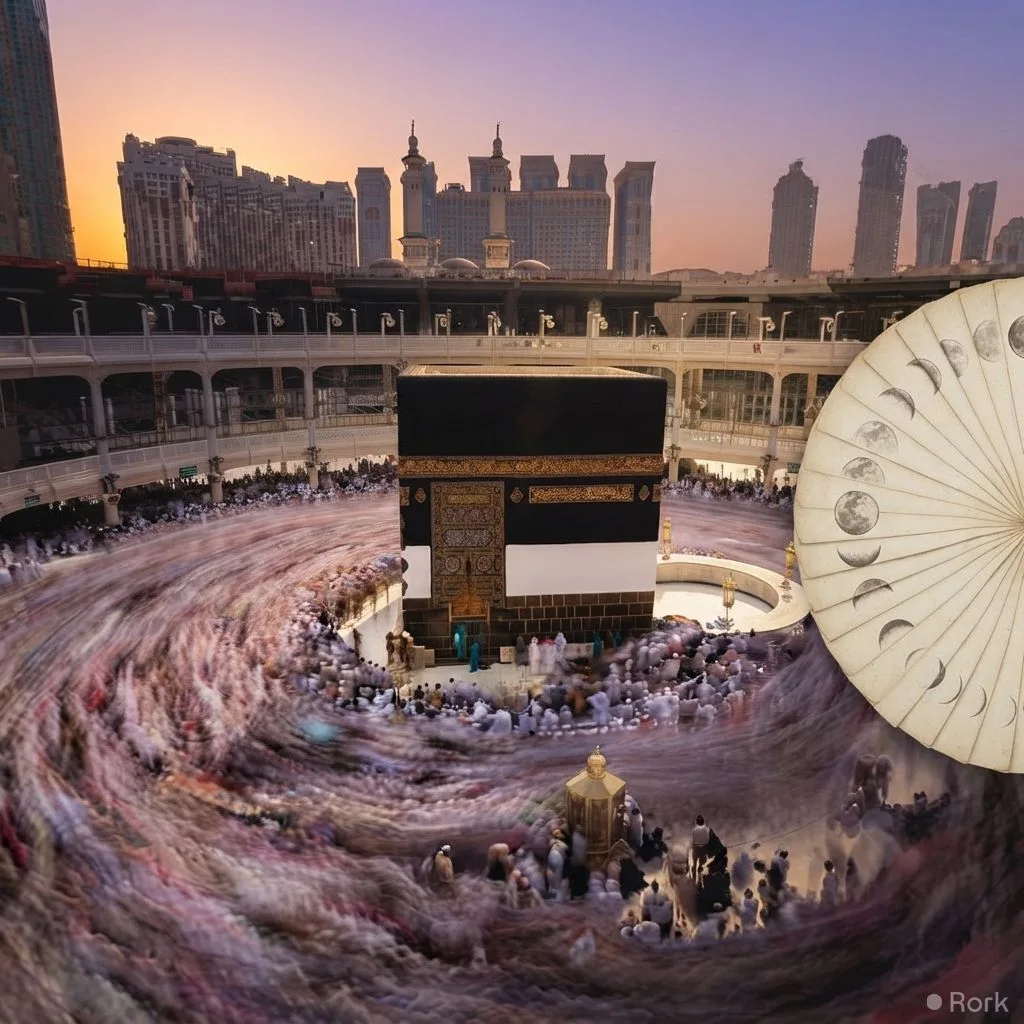
The Islamic calendar, which is based on the phases of the moon, contains 354 or 355 days, falling about ten to eleven days short of the 365‑day Gregorian year. As a result, each Islamic month drifts earlier by roughly ten days every solar year. Over a cycle of about 33 Gregorian years the lunar dates complete a full rotation, and occasionally a Gregorian year catches two Hajj periods—one in the early part of the year and another toward its end. 2039 is slated to be one of those rare instances.
Hajj, the annual pilgrimage to Mecca, is a once‑in‑a‑lifetime obligation for Muslims who meet the health and financial criteria. For Pakistani pilgrims, the government allocates a fixed quota each year through the Ministry of Religious Affairs. The double‑Hajj scenario means that the quota will be divided between two separate windows, potentially tightening the number of seats available per season and prompting travel agencies to revise package prices and booking timelines. Airlines operating direct flights from Karachi, Lahore and Islamabad to Jeddah will also have to manage a second peak in demand within the same calendar year.
The three‑Eid phenomenon adds another layer of complexity to domestic life. Eid al‑Fitr marks the conclusion of Ramadan, while Eid al‑Adha celebrates the willingness of Prophet Ibrahim to sacrifice his son. In 2039, the lunar shift will place Eid al‑Fitr in early March, followed by an Eid al‑Adha in late May, and a second Eid al‑Adha—commonly called the “Eid of the Sacrifice”—in early September. This means Pakistani families will observe two major festive periods of charity, feasting and communal prayers, along with the additional holiday of Eid al‑Fitr, all within a single Gregorian year. Retailers, schools and public sector offices are expected to adjust holiday calendars, and the extra celebrations could give a temporary boost to sectors such as food production, clothing and transportation.
While the alignment is a calendrical curiosity, it underscores the ongoing interplay between the lunar-based religious timetable and the solar civil calendar that governs everyday life. Authorities, businesses and worshippers alike will need to coordinate carefully to ensure that the dual pilgrimages and triple Eids proceed smoothly, turning what might appear as a logistical challenge into an opportunity for communal solidarity and economic activity.