
Key points:
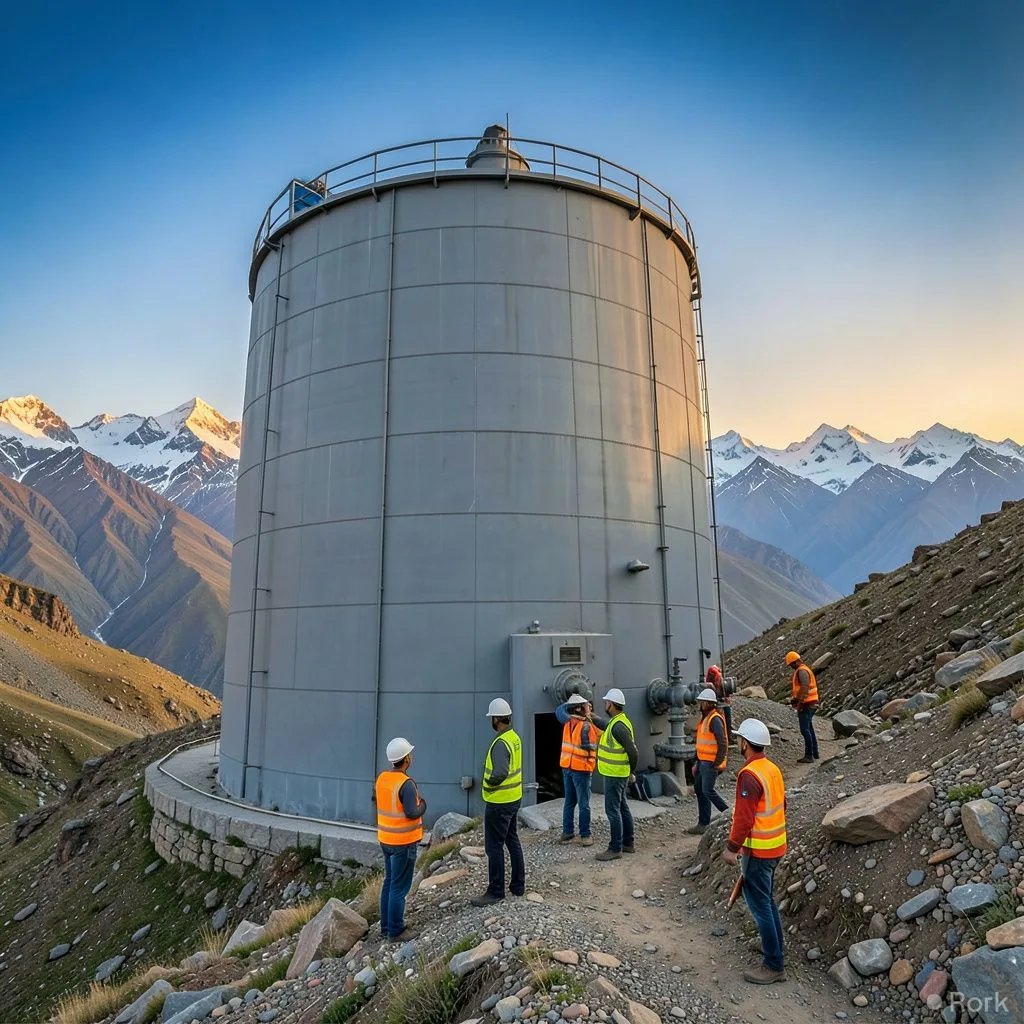
- Philip Morris Pakistan Limited, together with the Hashoo Hunar Association, has finished a 30,700‑litre water‑storage tank in Rigayul, Skardu.
- The facility is aimed at bolstering water security for households and farms in Gilgit‑Baltistan’s high‑altitude valleys.
- The project highlights how corporate‑community partnerships can address essential infrastructure gaps in remote mountainous regions.
- Improved water availability is expected to support local agriculture, tourism and resilience against seasonal shortages.
Philip Morris Pakistan Limited (PMPKL) has partnered with the Hashoo Hunar Association (HHA) to construct a sizable water‑storage tank in the Rigayul locality of Skardu, Gilgit‑Baltistan. The 30,700‑litre reservoir, now fully operational, is intended to serve as a reliable source of water for the surrounding community, especially during the dry months when streams and springs run low.
Gilgit‑Baltistan’s rugged terrain and harsh climatic patterns have long posed challenges for consistent water supply. Villagers and farmers often rely on melt‑water from glaciers, which can fluctuate dramatically from year to year. By providing a sizeable buffer of stored water, the new tank is expected to reduce the vulnerability of households and irrigated fields to sudden shortages, thereby supporting the region’s staple crops such as wheat and barley.
The initiative underscores a growing trend of private‑sector involvement in social infrastructure within Pakistan’s peripheral areas. While government agencies continue to prioritize large‑scale water projects, collaborations like that of PMP K and HHA demonstrate how corporate resources and local expertise can be mobilized quickly to meet pressing community needs. The partnership also aligns with the broader corporate social responsibility agenda of multinational firms operating in Pakistan, emphasizing sustainable development and community resilience.
Local authorities anticipate that the enhanced water security will have a ripple effect on the region’s emerging tourism sector. Skardu, known for its breathtaking mountain vistas and trekking routes, draws a steady flow of domestic and international visitors. Reliable water access not only improves living standards for residents but also reinforces the area’s capacity to host tourists, thereby contributing to economic diversification and growth in Gilgit‑Baltistan.