
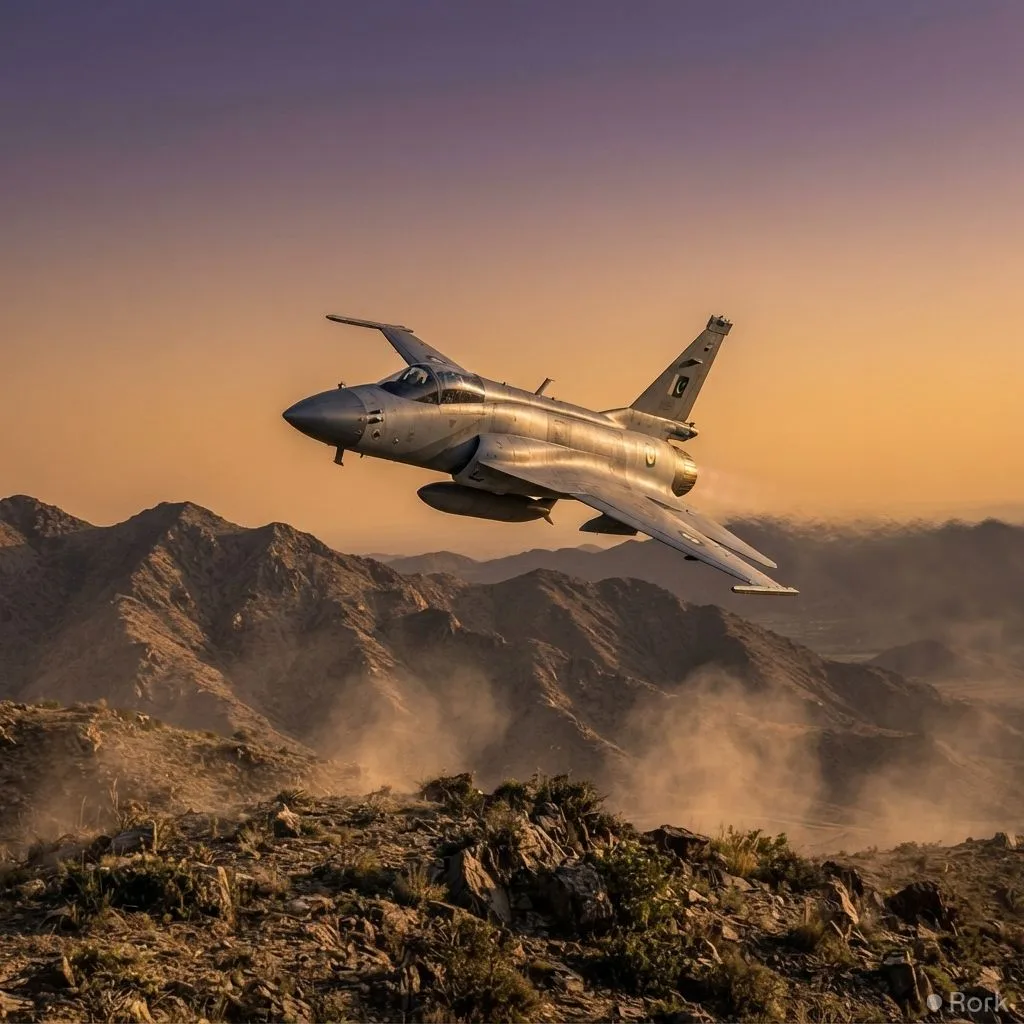
Pakistan’s military announced that well‑coordinated air strikes launched on 22 October killed 22 terrorists hiding in camps across the Afghanistan border. The operation, described by senior officials as “well‑planned and calibrated,” targeted militant hideouts that intelligence agencies said were preparing attacks on Pakistani soil.
The strikes were carried out by the Pakistan Air Force using precision‑guided munitions, according to a statement from the Inter‑Services Public Relations (ISPR). The ministry said the targets were identified through a combination of aerial surveillance and human intelligence, allowing the forces to minimise civilian casualties while eliminating the militants. Initial assessments by ground teams confirmed the death toll, although a full forensic verification is still pending.
Security analysts note that the operation reflects Islamabad’s growing willingness to take direct military action beyond its borders in response to a surge of cross‑border terrorist activity. In recent months, Pakistani authorities have blamed Afghanistan‑based extremist groups for a series of bombings in Khyber Pakhtunkhwa and Balochistan, prompting calls for a more assertive stance. The latest strike is therefore being framed as a preventive measure aimed at disrupting planned assaults before they can materialise.
The Afghan government has yet to issue an official comment, but diplomatic sources suggest that Kabul may raise concerns over sovereignty violations. Historically, Pakistan has faced criticism from Afghanistan for unilateral actions, yet both sides have intermittently cooperated on counter‑terrorism efforts. The current episode could test the fragile security dialogue that has existed since the 2020‑2021 ceasefire talks.
For Pakistan’s interior security apparatus, the elimination of 22 militants is seen as a significant tactical win. The Ministry of Interior has warned that similar operations will continue until the threat is neutralised, emphasizing that the safety of citizens in border districts remains a top priority. Local residents in the North‑West Frontier region have expressed cautious optimism, hoping that the strikes will deter future infiltrations that have historically disrupted trade routes and civilian life.
International observers are likely to monitor the fallout, particularly regarding the impact on regional stability and the broader fight against extremist networks operating in the Afghanistan‑Pakistan nexus. While the immediate outcome appears to be a reduction in hostile capabilities, the long‑term efficacy of cross‑border strikes in curbing terrorism remains a subject of debate among security experts.