
What happened?
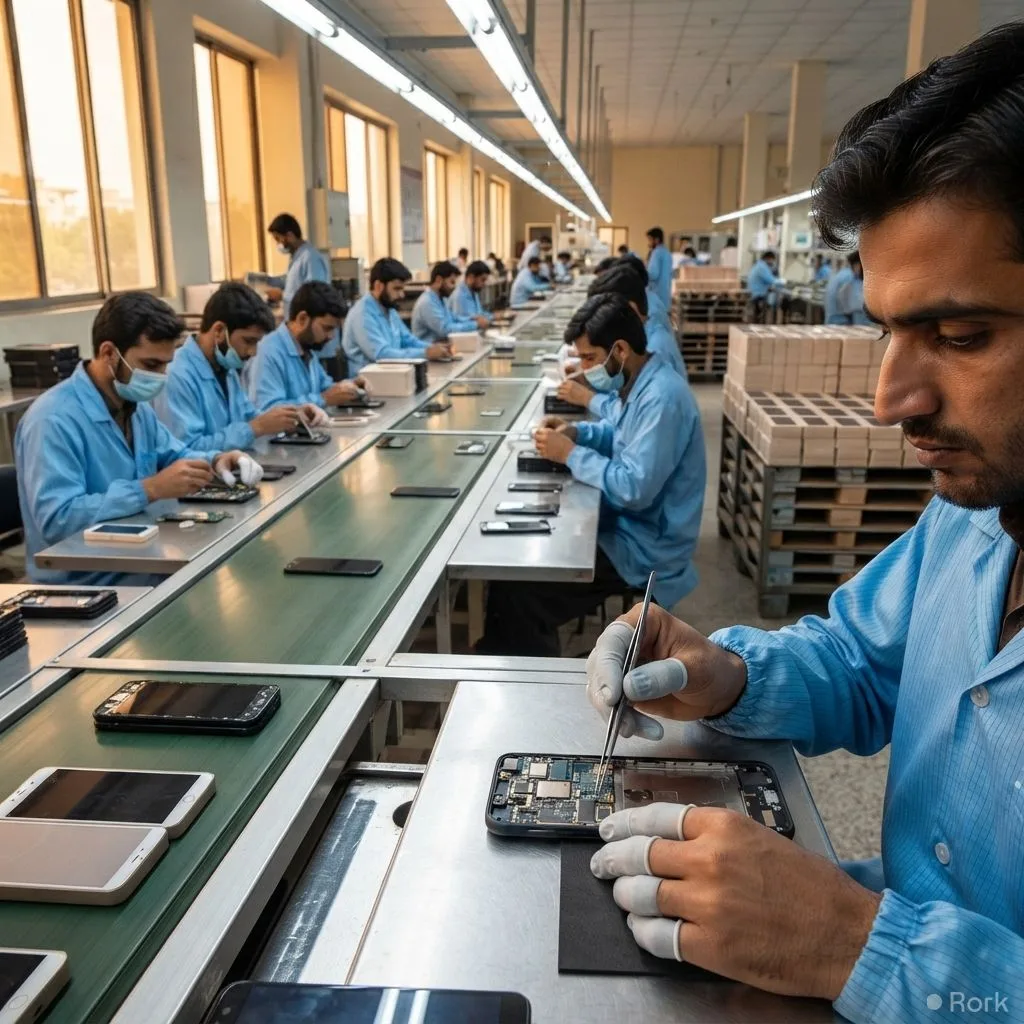
During January‑August 2026, domestic manufacturers in Pakistan assembled a total of 18.66 million mobile handsets, outstripping the 2.74 million units that entered the market through commercial imports. Approximately eight million of the locally produced devices were smartphones.
Why does it matter?
The sharp rise in home‑grown production signals that recent government incentives—such as reduced customs duties on component parts and tax breaks for assembly plants—are bearing fruit, fostering a more self‑sufficient tech ecosystem. This shift is expected to generate thousands of new jobs in electronics manufacturing, curb the trade deficit caused by imports, and potentially drive down prices for Pakistani consumers by increasing supply competition.
What’s next for the sector?
Industry analysts anticipate that the momentum will continue into the remainder of 2026, with several new assembly lines slated to start operations and existing plants expanding capacity. The government is likely to fine‑tune its policy package, possibly introducing subsidies for research and development, to move the market beyond basic handsets toward higher‑end smartphones and value‑added services.