
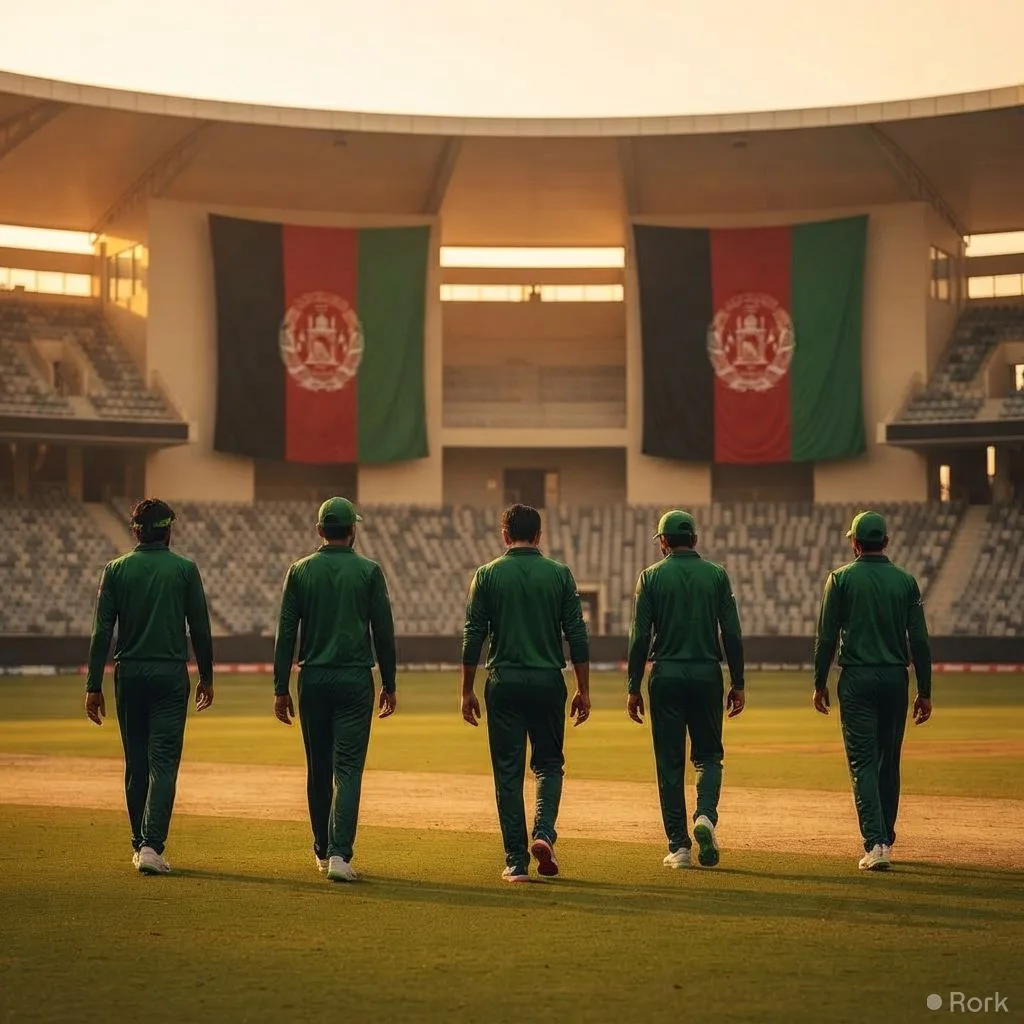
The cricketing calendar in South Asia is about to lose a familiar fixture as diplomatic frictions spill over onto the pitch. While the Afghanistan Premier League (APL) is gearing up for a comeback after a prolonged hiatus, the board that governs Pakistan’s cricket has signalled that none of its current internationals will be allowed to take part in the 2026 edition.
The Pakistan Cricket Board (PCB) conveyed the decision through an internal memorandum that will be enforced once the tournament’s squad lists are finalised. According to sources familiar with the matter, the directive is rooted in the ongoing political strains between Islamabad and Kabul, and is intended to shield Pakistani athletes from any potential fallout that could arise from participating in a high‑profile event hosted by a neighbour with whom relations have soured.
The APL, which last ran in 2023 before being suspended due to security concerns and financial irregularities, announced plans to relaunch later this year. Organisers hope the revived franchise tournament will rekindle interest in Afghanistan’s fast‑growing T20 scene and attract talent from across the region. However, the absence of Pakistani stars—who have historically been among the league’s marquee players—could dent the competition’s marketability and diminish television ratings in both countries.
For Pakistani cricket, the boycott translates into a lost opportunity for its players to gain experience in sub‑continental conditions that differ from those in the domestic PSL. Young talents, in particular, will miss the chance to showcase their skills on a foreign stage and to earn the lucrative contracts that franchise leagues typically offer. The PCB has indicated that it will focus on strengthening the Pakistan Super League and arranging bilateral series, but critics argue that the move may isolate Pakistan’s cricketers from an emerging regional circuit.
Stakeholders on both sides are watching closely. Afghan officials have expressed disappointment, warning that the boycott could set a precedent for future sporting disengagements. Meanwhile, broadcasters and sponsors are re‑evaluating their investments, mindful that the APL’s appeal may now hinge on a narrower pool of international players. The decision underscores how sport, often touted as a bridge across political divides, can become yet another arena where diplomatic tensions play out.