
Key points:
- The federal cabinet approved a sugar export quota of about 250,000 tonnes for the upcoming season.
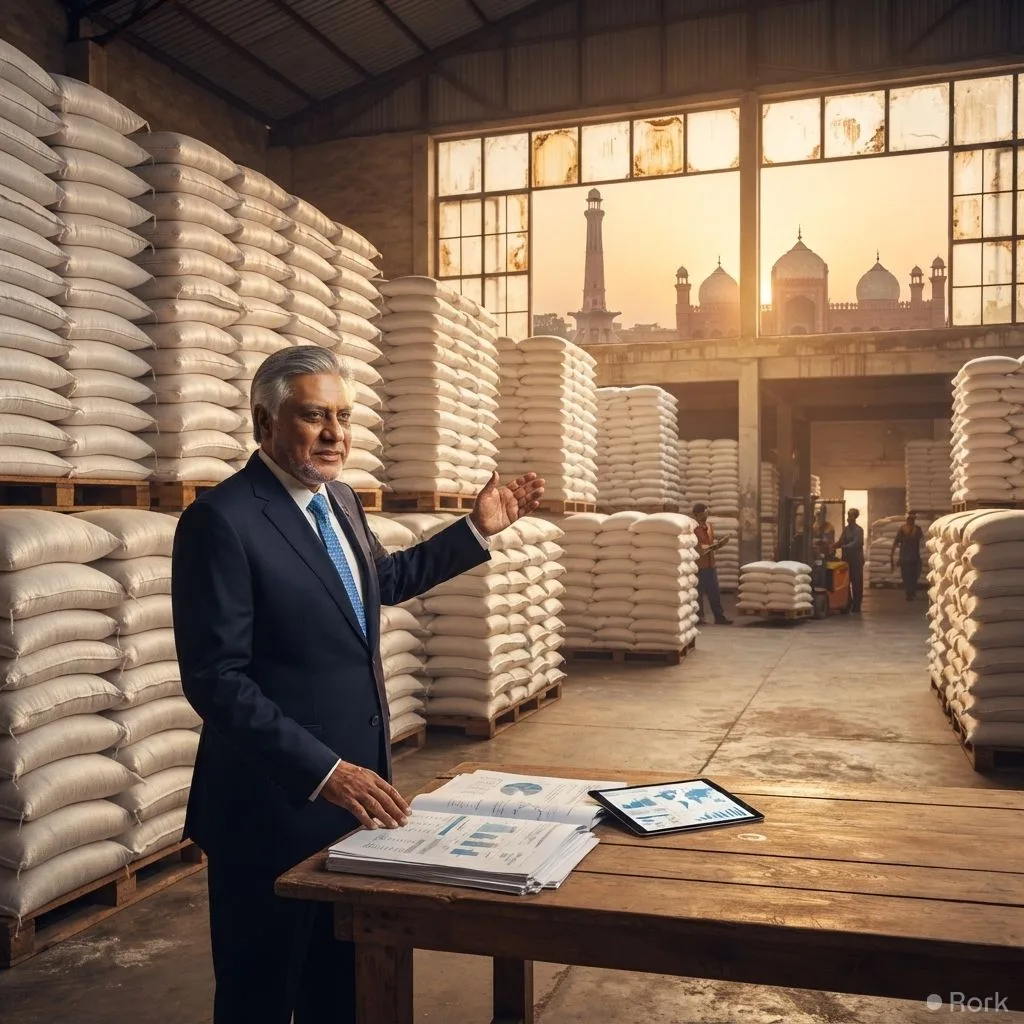
- Pakistan currently holds more than 2.6 million tonnes of sugar in domestic warehouses.
- Deputy Prime Minister Abdul Qadir Dar ordered ministries to accelerate export clearances.
- The Pakistan Sugar Mills Association (PSMA) says it was not consulted and had urged a much higher quota to ease excess stocks and earn foreign exchange.
The cabinet’s decision, announced on Tuesday, caps the amount of raw sugar that can leave Pakistan at roughly a quarter of a million tonnes. While the government argues that the modest figure is intended to safeguard local availability and keep retail prices stable, industry representatives contend that the allowance is far too small to address the swelling inventories that have built up over the past year.
Deputy Prime Minister Dar instructed the Ministry of Commerce, the Ministry of Finance and the Trade Development Authority to fast‑track all paperwork related to the approved shipments. The move is meant to get the product to overseas markets before the domestic stockpile begins to exert downward pressure on prices, which could hurt mill owners and farmers who depend on a healthy profit margin.
The PSMA chief, speaking at a press briefing, criticised the exclusion of the association from the key deliberations that led to the quota. The body had been lobbying for a quota in the range of 500,000‑600,000 tonnes, arguing that a larger export window would help balance the oversupply, reduce storage costs, and generate much‑needed foreign exchange earnings for a country battling a widening current‑account deficit.
Stakeholders across the supply chain are watching closely. Millers hope the limited export window will alleviate some of the pressure on their balance sheets, while consumer groups remain wary that any reduction in domestic stock could eventually translate into higher retail prices. The government's cautious approach reflects a broader policy dilemma: how to manage abundant agricultural output without jeopardising price stability for the Pakistani public.