
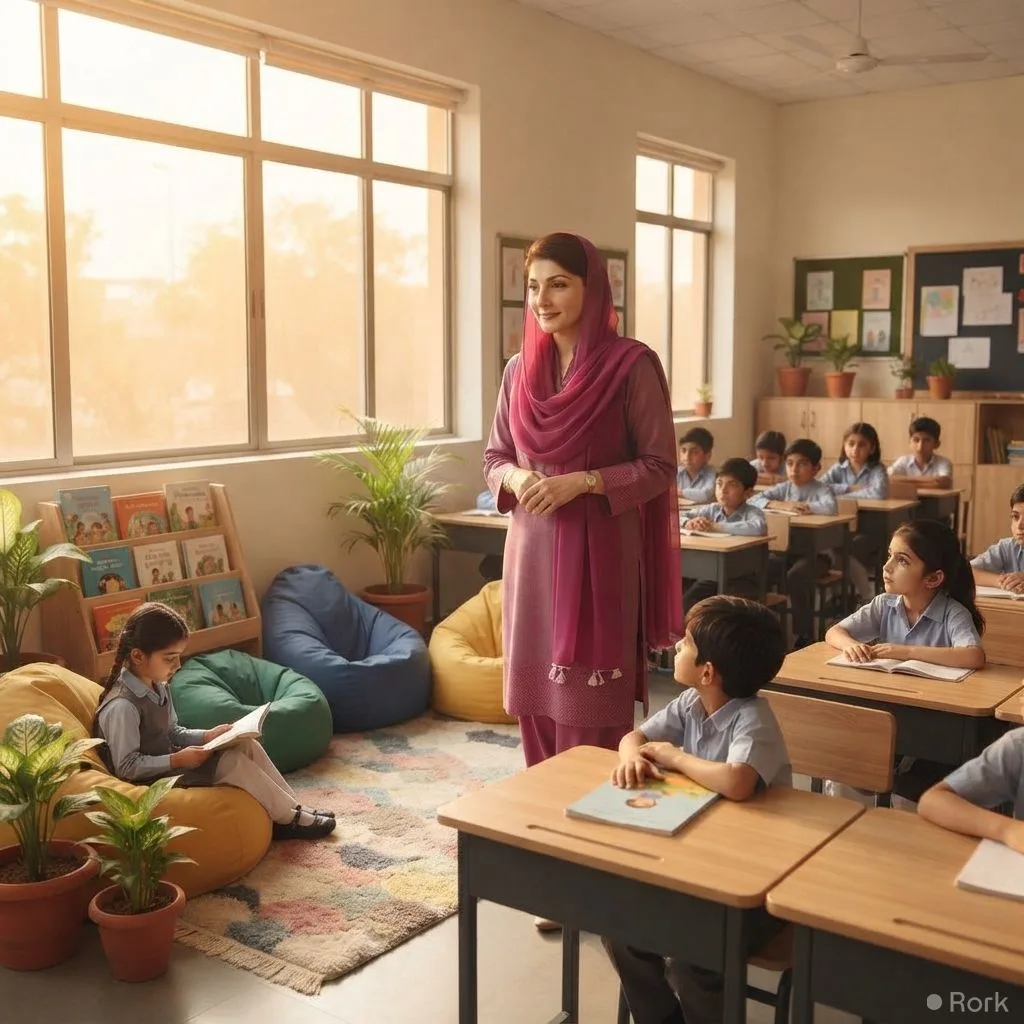
Punjab’s cabinet has approved a draft law that would outlaw any form of corporal punishment in both public and private schools across the province.
The proposal, unveiled at a special education‑reform session chaired by Chief Minister Maryam Nawaz, marks a decisive step toward safeguarding children’s rights in Punjab. Under the draft, teachers would be prohibited from using physical force—such as caning, slapping or any other bodily discipline—to manage classroom behaviour. Instead, schools will be required to set up “discipline corners,” designated areas where students can receive counseling, practice mindfulness techniques, or engage in peer‑mediation activities aimed at resolving conflicts without violence.
Beyond the ban, the reform package embeds a suite of mental‑health measures. Each school will need to appoint at least one trained counsellor, and existing staff will undergo compulsory workshops on non‑violent discipline and child‑centred pedagogy. The government argues that these initiatives will not only reduce anxiety and trauma among learners but also improve overall academic performance by fostering a more supportive learning environment.
The move aligns Punjab with the United Nations Convention on the Rights of the Child, to which Pakistan is a signatory, and follows a growing global trend of eliminating corporal punishment from educational settings. If the legislation clears the provincial assembly, Punjab could become the first Pakistani province to enshrine child‑protection standards of this magnitude, potentially prompting neighboring provinces such as Sindh and Khyber Pakhtunkhwa to consider similar reforms.
Stakeholders have offered mixed reactions. Teachers’ unions welcome the emphasis on professional development but warn that the new “discipline corners” must be adequately resourced to avoid merely shifting the burden of behaviour management onto under‑trained staff. Parents, meanwhile, have expressed relief that their children will no longer face physical reprimands, while some conservative groups caution that the ban could undermine traditional disciplinary practices. The provincial government says it will monitor implementation closely and adjust policies based on feedback from schools and child‑rights organisations.