
Key points:
- Sazgar Engineering Works Ltd will absorb the newly‑imposed 18 % General Sales Tax instead of adding it to vehicle prices.
- The firm has unveiled a Rs 22 billion investment programme aimed at expanding its automotive production capacity and launching additional models.
- The expansion is being rolled out while the company awaits clearer guidance from the forthcoming Pakistan auto‑policy framework.
- Analysts say the decision could temper price‑rise pressures for Pakistani car buyers and set a benchmark for other manufacturers.
Sazgar Engineering Works Limited announced that the full impact of the recent 18 % GST on motor vehicles will be shouldered by the company, leaving retail prices unchanged for consumers. The move comes at a time when many Pakistanis are feeling the squeeze of higher taxes and a volatile exchange rate, and it signals the firm’s commitment to protecting its market share in the domestic passenger‑car segment.
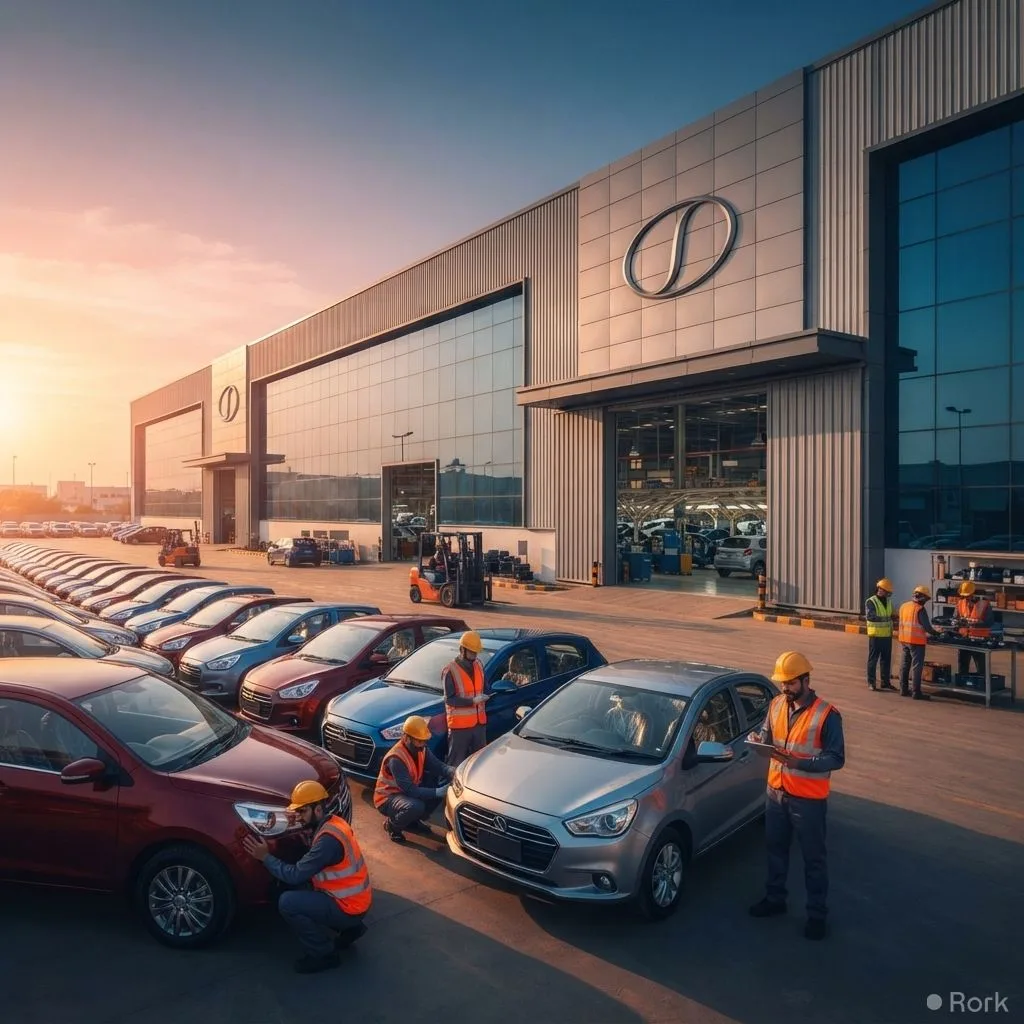
In parallel with the tax‑absorption strategy, Sazgar disclosed a Rs 22 billion expansion blueprint that will see its assembly lines upgraded, new stamping and paint shops added, and a capacity boost of roughly 30 % over the next three years. The capital injection is also expected to fund the introduction of two new models tailored to the cost‑conscious middle class, as well as the establishment of a dedicated research‑and‑development hub in Karachi.
The timing of the announcement aligns with the government’s pending auto‑policy reforms, which aim to streamline incentives, promote localisation and address the chronic shortage of affordable vehicles. By committing to a large‑scale expansion before the policy is finalised, Sazgar hopes to lock in its production capabilities and signal confidence to both suppliers and potential investors.
Industry watchers note that Sazgar’s decision to not pass the GST onto buyers could influence peers such as Indus Motors and Pak Suzuki, encouraging a collective effort to keep vehicle pricing stable. If more manufacturers adopt a similar approach, the combined effect may ease inflationary pressures on the auto market and support the broader goal of expanding car ownership among Pakistan’s growing middle‑income population.