
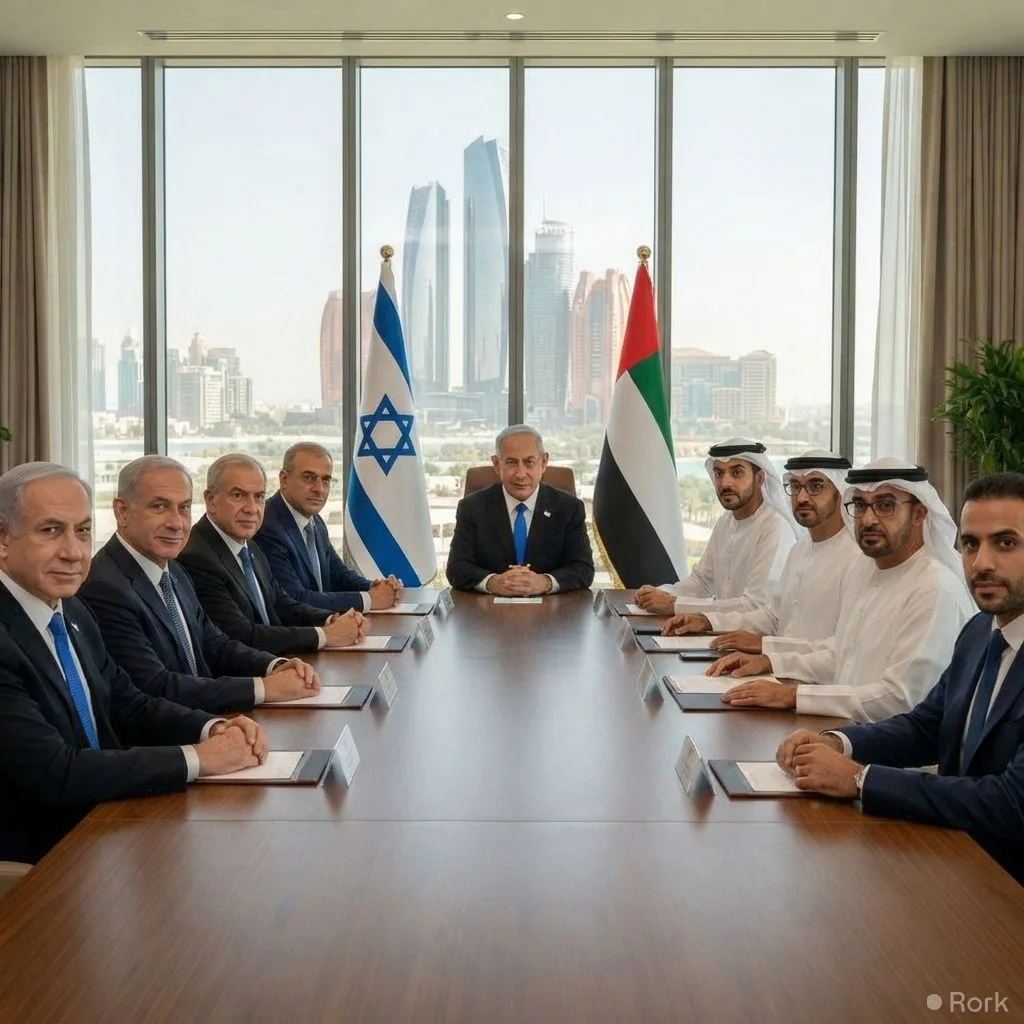
The United Arab Emirates warned Prime Minister Benjamin Netanyahu of a Hamas strike just days before the Oct 7 assault.
New York Times reporters, drawing on the minutes of Israel’s Oct 1 security briefing, confirmed that five former senior Israeli security officials said the Emirati alert never made it onto the agenda of that crucial meeting. According to the journalists, the warning was conveyed through diplomatic channels but was omitted from the official record, a discrepancy the former officials attribute to procedural lapses rather than intentional suppression. The NYT’s review of the classified notes corroborates the claim that the UAE’s intelligence did not reach the highest Israeli decision‑makers in time to prompt pre‑emptive action.
The episode underscores the fragility of the nascent intelligence‑sharing framework that has developed between Israel and the United Arab Emirates since the Abraham Accords in 2020. While the two states have deepened economic and security ties, the incident reveals gaps in coordination that can have catastrophic consequences when threats are time‑sensitive. Israeli officials have previously emphasized the importance of real‑time alerts from regional partners, and this missed warning raises questions about the mechanisms governing joint threat assessments.
In Israel, the revelation fuels political debate over the handling of pre‑Oct 7 intelligence. Opposition parties and civil‑society groups are calling for a comprehensive inquiry into why the Emirati tip was excluded, arguing that accountability is essential to restore public confidence in the security establishment. The government, meanwhile, faces pressure to tighten protocols for integrating foreign intelligence into domestic security briefings, a step that could reshape the nation’s crisis‑response architecture.
For Pakistan, the development carries multiple layers of relevance. Islamabad has long positioned itself as a vocal supporter of the Palestinian cause, and the UAE’s attempt to alert Israel may be interpreted as a shift in regional dynamics that could affect Pakistan’s diplomatic calculus with Gulf states. Moreover, any perceived failure in intelligence sharing among Arab and Israeli partners could influence Pakistan’s own counter‑terrorism collaborations, especially concerning groups operating along its western borders. Analysts suggest that the episode may prompt Islamabad to reassess its engagement strategies with both the UAE and Israel, balancing humanitarian advocacy with pragmatic security considerations.
The story is still unfolding, and both Israeli and Emirati authorities have yet to release official statements on the NYT findings. As the investigation proceeds, observers will watch closely for any reforms in intelligence coordination and for the broader impact on Middle‑East geopolitics, where Pakistan’s interests in stability, trade, and regional influence remain closely tied to the actions of its neighbors.