
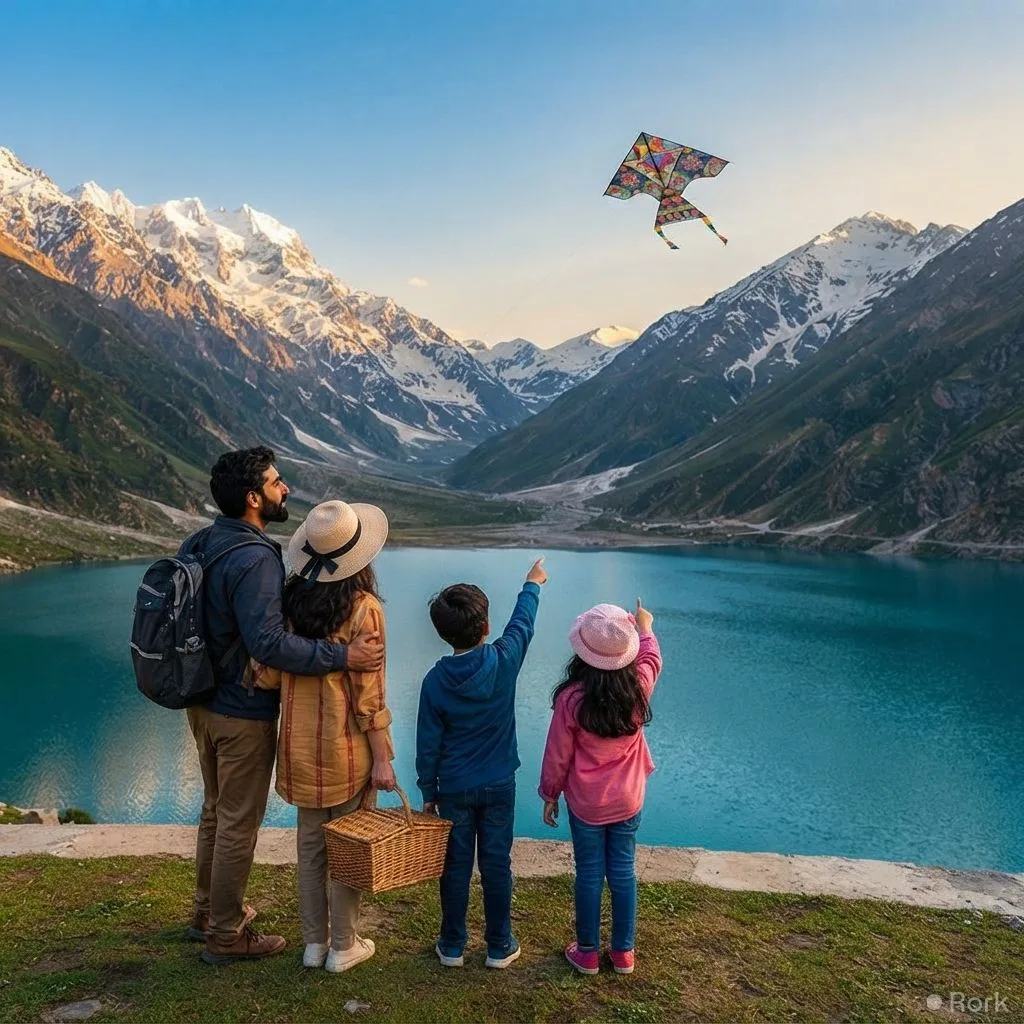
Verified Pakistan has just released a fresh guide that spotlights ten family‑oriented holiday spots across the country, ranging from the snow‑capped peaks of Hunza to the evergreen hills of Murree. The list is aimed at helping Pakistani parents plan safe, engaging vacations without having to travel abroad.
Background
Over the past few years, domestic tourism has surged in Pakistan as middle‑class families look for affordable yet memorable getaways. Government incentives, improved road networks, and a growing awareness of the country’s natural heritage have all contributed to a rise in weekend trips to the north. In this context, travel platforms and media outlets have begun curating more specialised recommendations—such as “child‑friendly” itineraries—to address the specific concerns of families, including safety, accommodation standards, and activities that keep youngsters entertained while they learn.
The newly published guide by Verified Pakistan builds on that trend. It compiles destinations that not only boast scenic beauty but also offer infrastructure suited to younger travellers: well‑marked hiking paths, hotels with child‑care facilities, and organized tours that teach kids about glaciers, lake ecosystems, and local culture. Places featured include the alpine valleys of Hunza and Skardu, the historic swathes of Swat, the lake‑laden plateau of Naran, and the perennial hill station of Murree, among others.
What it means
For Pakistani families, the guide translates into a practical toolkit for planning trips that balance adventure with comfort. Parents can now select resorts that provide crèches or family rooms, and local operators that run supervised glacier walks or picnics beside crystal‑clear lakes—activities that were previously the preserve of specialist tour groups. This reduces the logistical burden of researching each destination independently and lowers the perceived risk of travelling with children.
The emphasis on accessible trails and educational outings also aligns with a broader push to make tourism a learning experience. Schools and youth organisations can incorporate these sites into field‑trip curricula, using the natural environment to teach subjects like geography, environmental science, and cultural studies. By promoting destinations that are both safe and instructive, the guide encourages a generation of kids who grow up with a deeper appreciation of Pakistan’s diverse landscapes.
Economically, the spotlight on family‑friendly spots is likely to inject fresh demand into peripheral tourism economies. Small‑town hotels, local transport providers, and artisans in places such as Gilgit‑Baltistan or the Kaghan Valley stand to benefit from increased bookings and longer stays, especially during school holidays. This bottom‑up boost complements national tourism strategies that aim to spread visitor traffic beyond the traditional hotspots of Islamabad and Karachi.
What happens next
Travel planners and tour operators are expected to respond quickly, tailoring packages that mirror the guide’s recommendations—think weekend “kid‑explorer” trips to Naran’s Lake Saif-ul-Malook or weekend stays in Murree with organized nature‑walks. As families begin to book these itineraries, industry watchdogs will likely monitor the impact on local infrastructure, ensuring that the surge in family tourism does not strain resources and that safety standards remain high. The guide thus sets the stage for a more inclusive, education‑focused tourism sector that could become a cornerstone of Pakistan’s post‑pandemic travel recovery.