Key points:
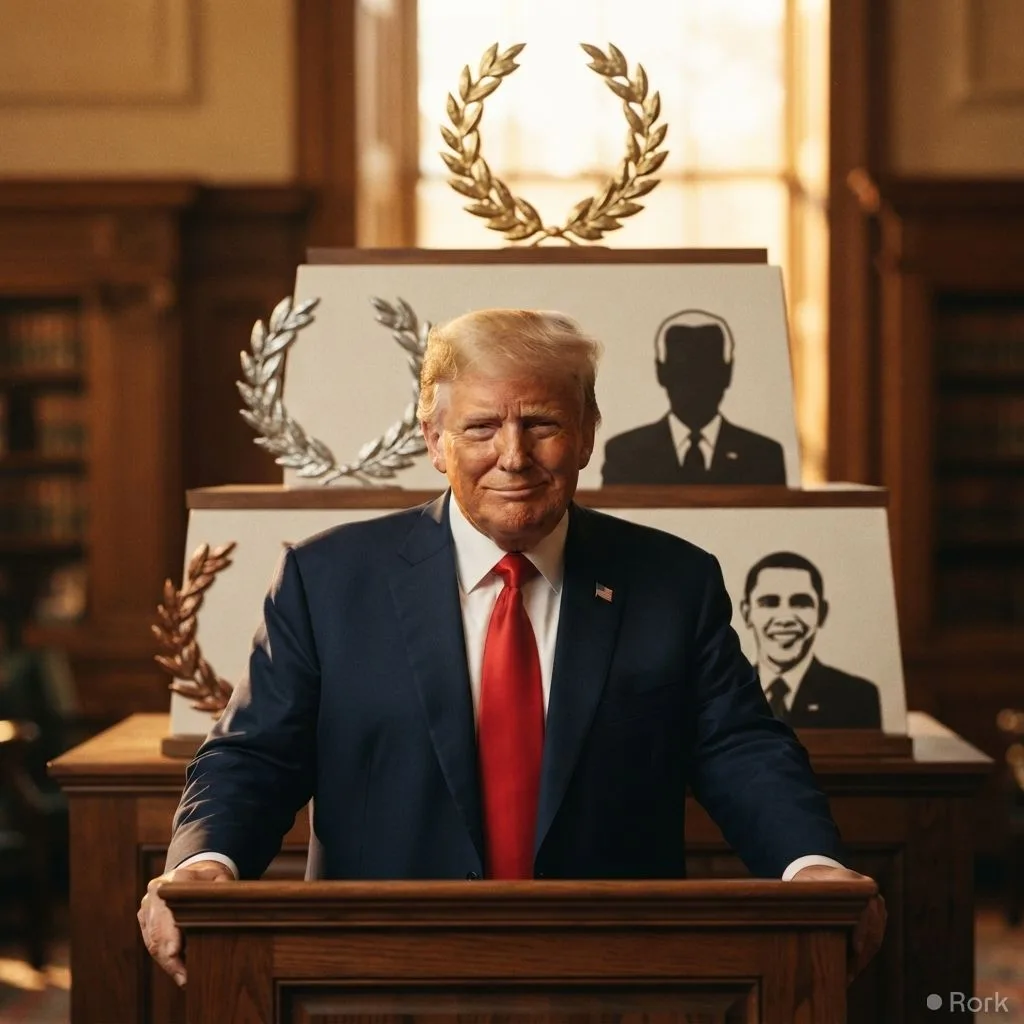
- Former U.S. President Donald Trump posted a self‑ranking of American leaders on his Truth Social platform on 27 August, putting himself at the top and calling himself “The Greatest.”
- In the same list, he categorized Joe Biden and Barack Obama as “Failures.”
- The ranking was shared ahead of the 2026 U.S. election cycle, a period in which Trump remains a central figure in Republican politics.
- The stunt has drawn swift reactions from both supporters and detractors, and it may reverberate among Pakistani‑American voters and businesses that track U.S. policy toward South Asia.
Donald Trump used his personal social‑media outlet, Truth Social, to publish a numbered list of U.S. presidents in which he placed himself above all his predecessors, describing his own tenure as the most successful in the nation’s history. The former commander‑in‑chief positioned the current president, Joe Biden, and his predecessor, Barack Obama, in a separate “Failures” category, implying that their administrations fell short of his own achievements.
The ranking, posted on August 27, is part of a broader pattern of self‑promotion that Trump has maintained since leaving the White House in 2021. By publicly declaring himself “The Greatest,” he aims to cement a legacy narrative that resonates with his base ahead of the 2026 mid‑term elections, where the former president is expected to play a pivotal role in endorsing candidates and shaping the GOP agenda.
Reactions in Washington were mixed. Some Republican allies praised the move as a bold affirmation of Trump’s impact on the economy and foreign policy, while Democratic lawmakers and several former Republican officials condemned the list as a politicized distortion of history. International observers noted that the ranking, though largely symbolic, underscores the continuing influence of Trump’s rhetoric on U.S. diplomatic posture.
For Pakistan, the episode carries indirect relevance. U.S. policy toward Islamabad—particularly on issues such as trade, counter‑terrorism cooperation, and the ongoing Afghanistan crisis—has often been filtered through the lens of the incumbent American administration. Should Trump’s narrative gain further traction within the Republican Party, it could shape the tone of future U.S. engagement with Pakistan, affecting everything from aid packages to joint security initiatives. Moreover, the sizeable Pakistani diaspora in the United States, many of whom are active voters, will likely weigh such statements when evaluating candidates who align with or oppose Trump’s worldview.