
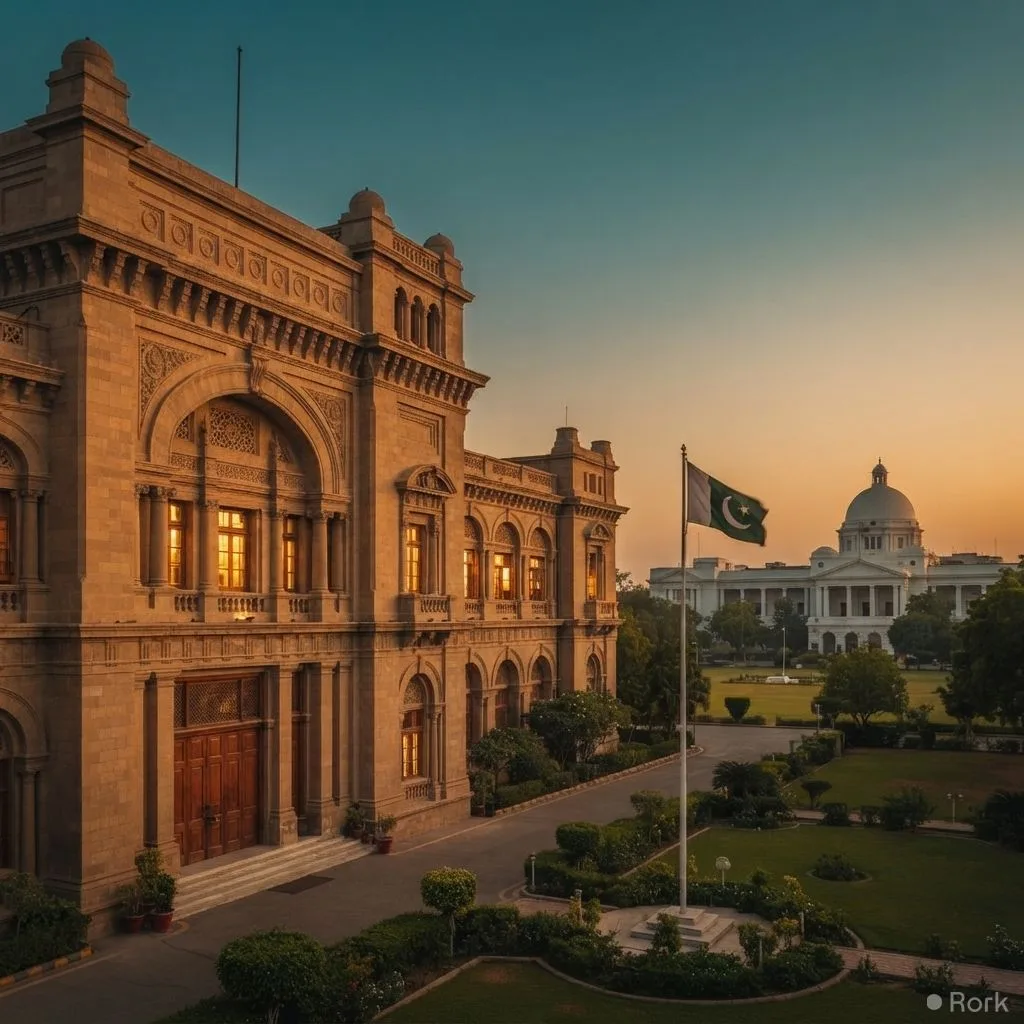
The Sindh High Court has affirmed that former President Arif Alvi will receive a free government‑owned residence for the rest of his life.
The bench ruled that the post‑presidential benefits act, which outlines entitlements for former heads of state, guarantees Alvi a government‑provided dwelling irrespective of where he is presently staying. The judges stressed that the right stems from legislation, not from any discretionary favor that could be granted or withdrawn by the executive.
The benefits framework, first codified in the 2018 Presidential Benefits Ordinance, grants former presidents a suite of perks—pension, security detail, staff assistance and accommodation. While the pension and security provisions have long been applied without controversy, the housing component has occasionally sparked debate, especially when former leaders relocate to other provinces. By interpreting the statute to be location‑agnostic, the court has removed ambiguity that previously surrounded the entitlement.
Legal scholars note that this judgment solidifies the statutory nature of former‑president privileges and could serve as a benchmark for any future disputes involving ex‑executives. “The decision underscores that these benefits are not charitable gifts but legally mandated rights,” said constitutional expert Dr Sadia Rashid. It may prompt other former office‑holders to invoke similar claims, potentially leading to a broader review of how state assets are allocated for former leaders.
For the province of Sindh, the ruling carries practical implications. The allocated residence—currently a government‑owned property in Karachi—will now be earmarked for Alvi’s lifetime use, tying up a valuable asset that could otherwise serve senior civil servants or be rented out. Critics argue that in a country grappling with housing shortages, dedicating premium state property to a former president is hard to justify, while supporters contend that the law must be upheld without exception.
In its final observation, the court emphasized that the entitlement is a statutory right, not a privilege subject to political whims. By doing so, it reinforced the continuity of the benefits scheme designed to honor the office of the President, ensuring that future transitions remain anchored in clear legal provisions.