
What happened?
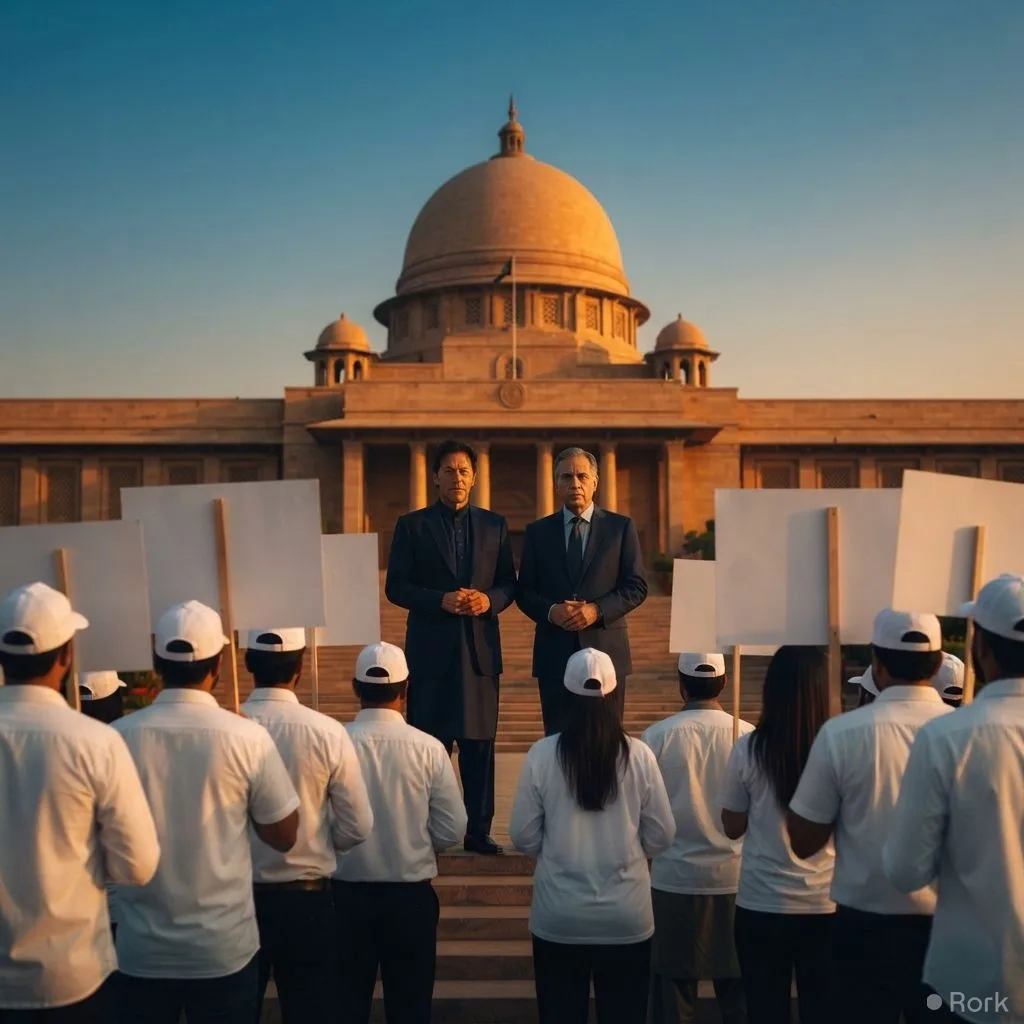
Negotiations over the planned Islamabad march have stalled because the federal government wants a written pledge from Pakistan Tehreek-e‑Insaf (PTI) that it will not organise extended sit‑ins after the demonstration. In exchange, officials have offered limited concessions that would prohibit PTI members from conducting any political activity while incarcerated.
Why does it matter?
The deadlock underscores a deep‑seated mistrust between the ruling establishment and the main opposition party, a dynamic that has already fueled nationwide protests and strained civil‑military relations. By restricting political work from prison, the authorities aim to curb PTI’s ability to mobilise supporters from detention, a tactic that proved pivotal during previous anti‑government rallies. Conversely, PTI’s insistence on a guarantee reflects fears that the state could use legal mechanisms to suppress future dissent, a concern that resonates with its base in Khyber Pakhtunkhwa, where the party commands significant electoral support.
What could happen next?
Sources indicate that the bulk of the march’s participants are expected to come from Khyber Pakhtunkhwa, suggesting that regional dynamics will heavily influence the outcome. If the parties fail to bridge the trust gap, the march could proceed without a formal agreement, raising the risk of prolonged sit‑ins or clashes with security forces. Conversely, a compromise that eases prison‑related restrictions while securing a written assurance from PTI might pave the way for a controlled demonstration, limiting the likelihood of a wider political fallout in the capital and beyond.