
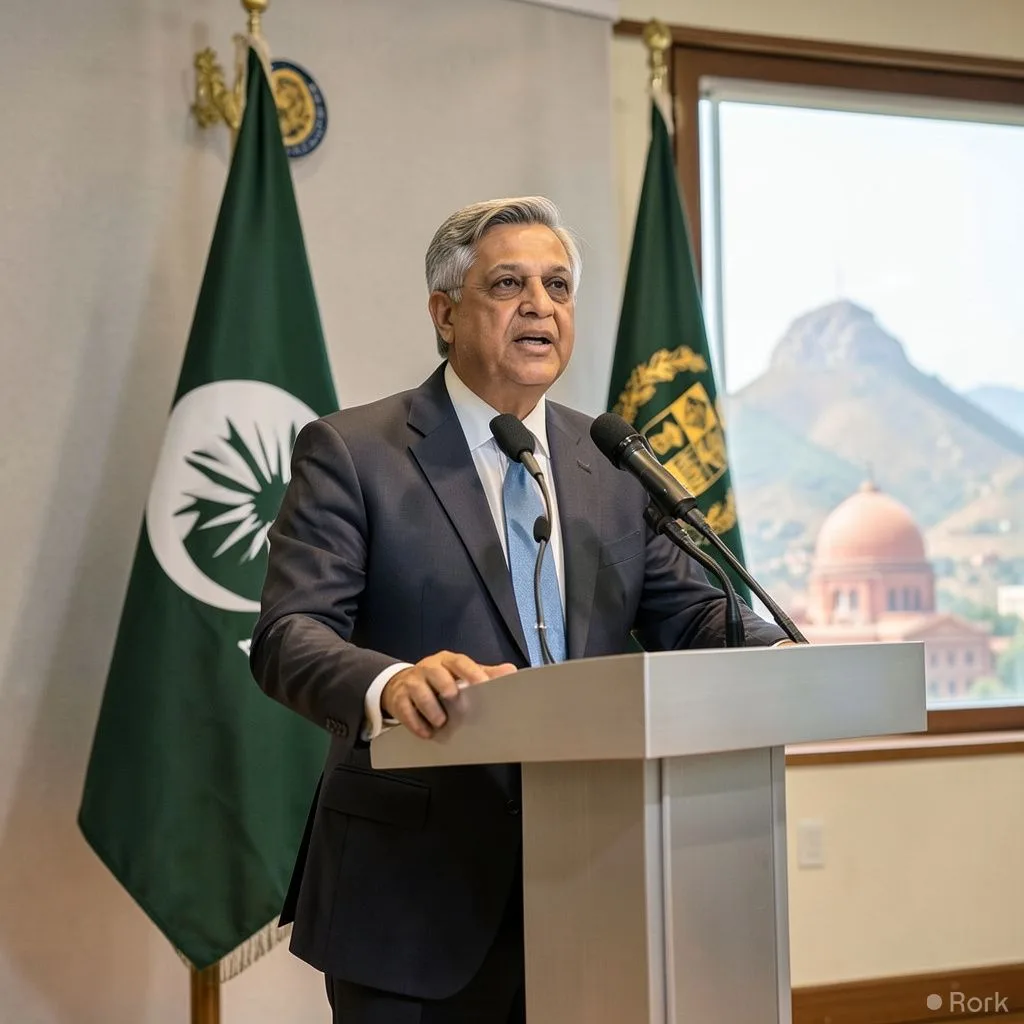
Law Minister Azam Nazeer Tarar affirmed on Tuesday that the recent imposition of governor’s rule in Khyber Pakhtunkhwa does not amount to the removal of an elected administration, citing constitutional provisions that empower the president to declare a state of emergency.
Background
The federal constitution permits the president to proclaim an emergency when the nation’s security or public order is threatened. In the last week, a spate of high‑profile terrorist attacks across the province—including bombings in Peshawar and targeted killings in the tribal districts—prompted the federal government to invoke this clause.
Under the emergency proclamation, the president issued a notification that transferred executive authority in Khyber Pakhtunkhwa to the governor, effectively suspending the provincial cabinet’s day‑to‑day powers. The move was presented as a temporary administrative measure aimed at stabilising the security situation and enabling a coordinated response between federal and provincial agencies.
According to Information Minister Shibli Faraz, the former chief minister of Khyber Pakhtunkhwa had previously agreed to a joint security arrangement with the centre. However, the chief minister later rejected the deal, leaving the federal government with limited options but to resort to governor’s rule to prevent further deterioration.
What it means
For residents of Khyber Pakhtunkhwa, the shift means that key development projects, budget approvals and policy decisions will now be routed through the governor’s office, which is directly accountable to the president. While routine services such as health and education are expected to continue, any major legislative initiative will be delayed until the emergency is lifted.
Politically, the episode underscores the delicate balance between provincial autonomy and federal authority in Pakistan’s quasi‑federal system. Opposition parties have warned that the precedent could be misused to sideline elected governments, whereas the ruling coalition argues that the extraordinary security threat justifies the temporary suspension of normal governance structures.
What happens next
The constitution mandates that an emergency can be in force for a maximum of three months, after which Parliament must either renew it or allow the province to revert to its elected administration. Law Minister Tarar indicated that the federal cabinet is reviewing the security assessments and will present a detailed report to the National Assembly within the coming weeks.
Should the situation improve, the governor’s rule is expected to be withdrawn and the provincial cabinet reinstated, possibly under a revised security framework negotiated with the centre. Conversely, if terrorist activity persists, the government may seek an extension of emergency powers, a step that would likely spark renewed debate over democratic safeguards and the role of provincial elected officials.