
For many couples in Pakistan, the Nikahnama – the marriage contract – is a solemn promise that extends beyond vows of companionship, embedding financial safeguards for the bride. Yet, for years, the dower, or Haq Mehr, has been clouded by the misconception that it represents a “price” paid for a wife, rather than a legitimate right owed to her.
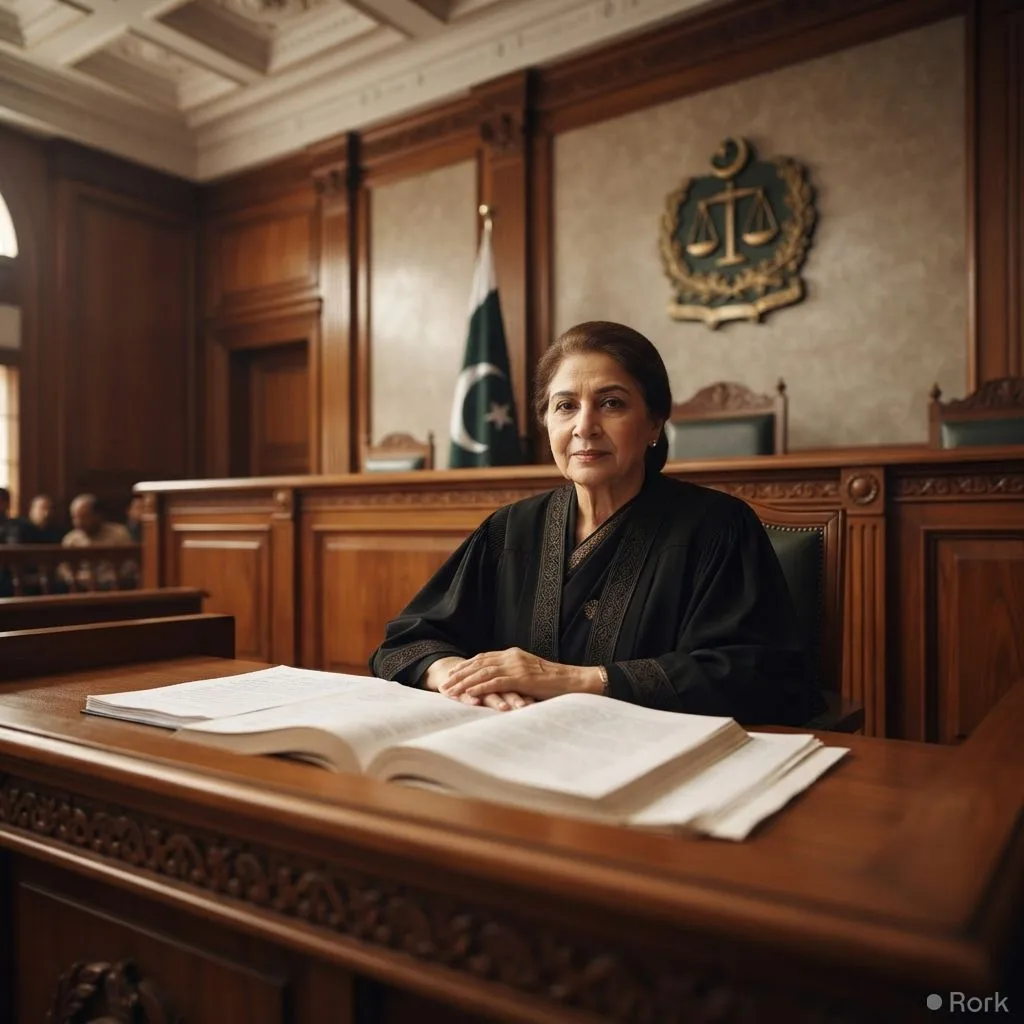
In a landmark ruling on 21 September, the Supreme Court of Pakistan clarified the legal nature of Haq Mehr, declaring it a binding financial entitlement of the wife that must be honoured exactly as recorded in the marriage contract. The bench dismissed any notion of the amount being a mere compensation or market value attached to the bride.
The judgment underscored that the dower is not a discretionary gift but a contractual obligation enshrined in Islamic law and Pakistani legislation. By affirming its enforceability, the Court reinforced the principle that a husband’s failure to pay the stipulated amount constitutes a breach of contract, subject to legal redress.
Legal scholars note that the decision will likely reshape how family courts handle matrimonial disputes. Previously, plaintiffs often faced hurdles proving that the Mehr was intended as a right rather than a token gesture. With the Supreme Court’s interpretation, judges across the country now have a clear precedent to compel payment, thereby strengthening women’s economic security within marriage.
For families across the provinces, the ruling carries immediate practical implications. It obliges all parties drafting Nikahnamas to specify the Haq Mehr clearly and ensures that women can invoke the court’s authority to claim what is legally theirs, without fearing social stigma or being labeled as “selling” themselves. As the judiciary’s stance gains traction, advocacy groups anticipate a surge in cases where wives demand timely settlement of their dower, marking a pivotal step toward gender‑equitable enforcement of marital rights in Pakistan.