
Pakistan has been wrestling with a widening fiscal gap and a fragile external position for several years, prompting the government to lean heavily on structural reforms to steady the economy. In that climate, the finance ministry has turned its attention to monetising state‑owned assets as a quick‑fire source of cash.
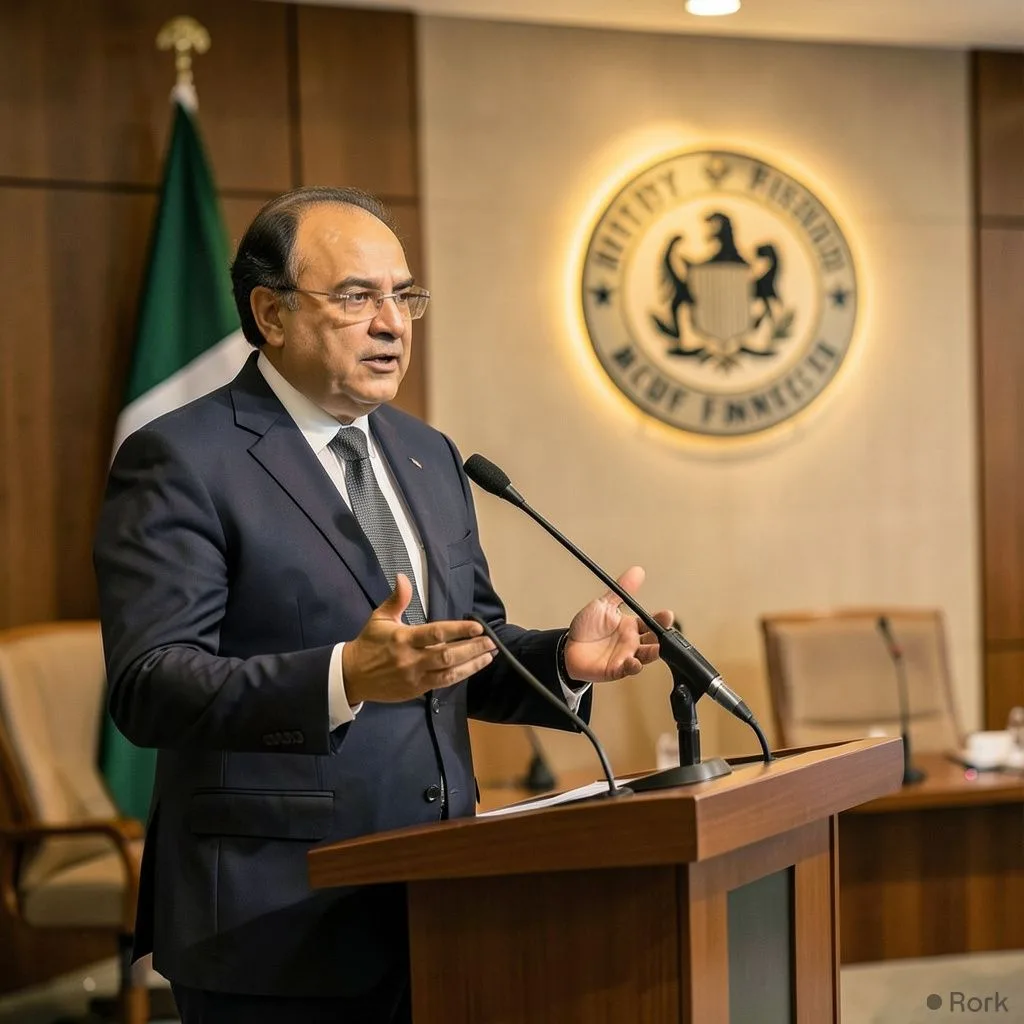
Finance Minister Muhammad Aurangzeb announced that the administration is targeting more than US $1 billion from the sale of five to six publicly‑held enterprises. The proceeds are slated to flow directly into the 2027 fiscal plan, bolstering revenue and easing pressure on the fiscal deficit at a time when debt servicing costs are climbing.
The minister linked the privatisation drive to the broader growth outlook, noting that the economy is projected to expand at just over 4 percent in FY27. He said that the anticipated inflow from asset sales, combined with ongoing structural adjustments, will help sustain the expansion momentum and provide the Treasury with breathing room to fund development projects without resorting to additional borrowing.
Aurangzeb also revealed that discussions are under way with the United States about a potential US $10 billion assistance facility. While details remain confidential, the proposed package is expected to complement domestic reforms, offering a safety net for foreign‑exchange reserves and reinforcing investor confidence in the Pakistani market.
Together, the privatisation strategy and the prospective US support signal a decisive shift toward widening the revenue base and attracting private capital into key sectors such as energy, telecommunications and transport. If successful, the measures could reduce the fiscal shortfall, lower the sovereign risk premium and create a more favourable environment for both local entrepreneurs and foreign investors seeking to tap into Pakistan’s growing consumer market.