
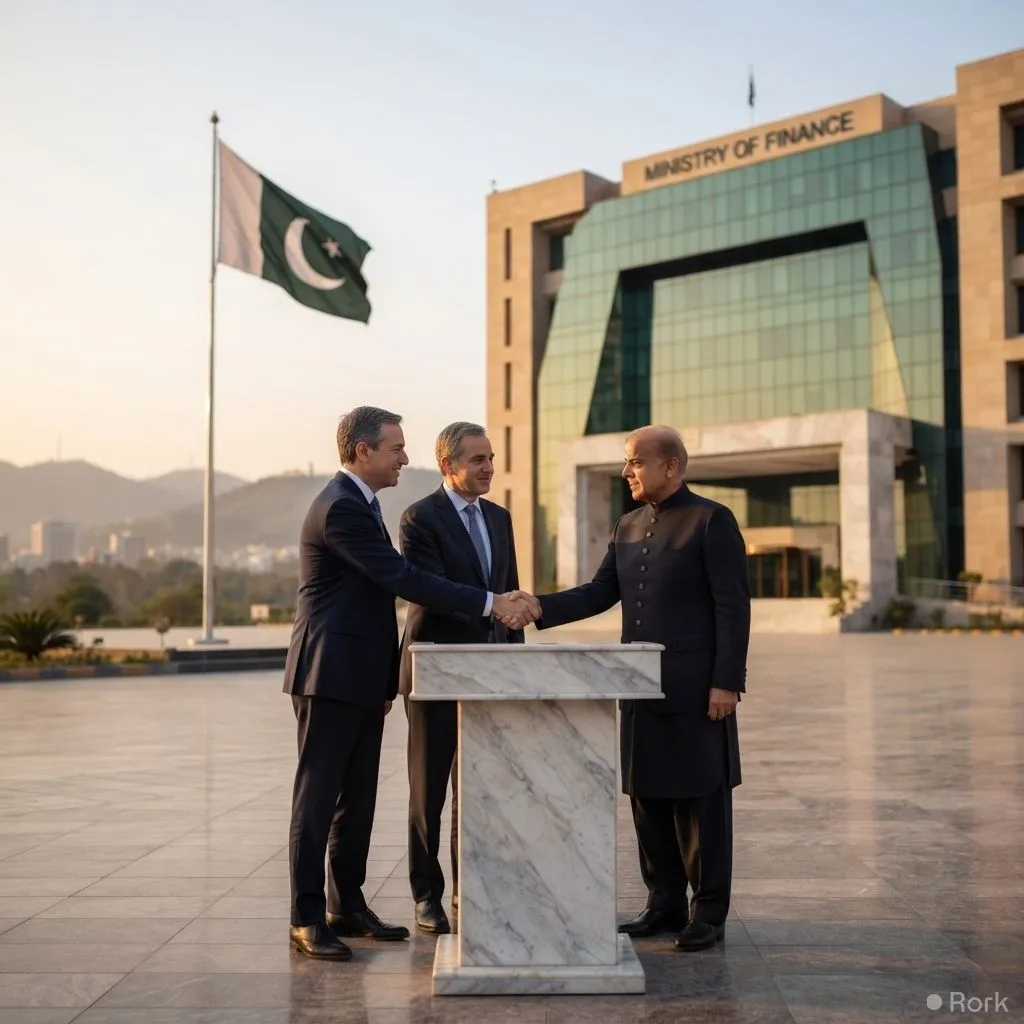
The capital’s streets have been buzzing with a mix of cautious optimism and lingering anxiety as Islamabad prepares for a decisive round of talks with the International Monetary Fund. After months of fiscal tightening, currency volatility and a steep rise in external debt, the government is banking on a breakthrough that could steer the country back toward macro‑economic stability.
An IMF mission team, which arrived in the city earlier this week, is expected to remain in Islamabad until Wednesday. Senior officials from both sides have indicated that a staff‑level agreement (SLA) could be inked before the week draws to a close, marking the next milestone in the $8 billion financing programme that Pakistan secured last year.
Key to the negotiations has been the government’s recent amendment of its State‑Owned Enterprises (SOE) policy. The revised framework tightens oversight, introduces performance‑linked incentives and outlines a roadmap for divestment or restructuring of loss‑making assets – measures that align closely with the IMF’s conditionality on improving corporate governance and reducing fiscal burdens. By signaling willingness to overhaul the sprawling public‑sector portfolio, officials hope to demonstrate a credible commitment to the reform agenda.
If the SLA is reached, it would unlock the next tranche of disbursement, providing much‑needed foreign exchange to cover import bills, support the balance of payments and bolster the central bank’s reserves. Economists warn that without the funds, inflationary pressures could flare again, eroding real wages and threatening the modest recovery in consumer confidence witnessed over the past quarter.
For ordinary Pakistanis, the outcome of these talks could translate into steadier prices at the market, a more reliable supply of essential goods and, in the longer run, a healthier job market as the private sector expands in the wake of reduced state interference. The government, meanwhile, faces the delicate task of translating high‑level agreements into tangible reforms that can withstand political scrutiny and sustain public trust.