
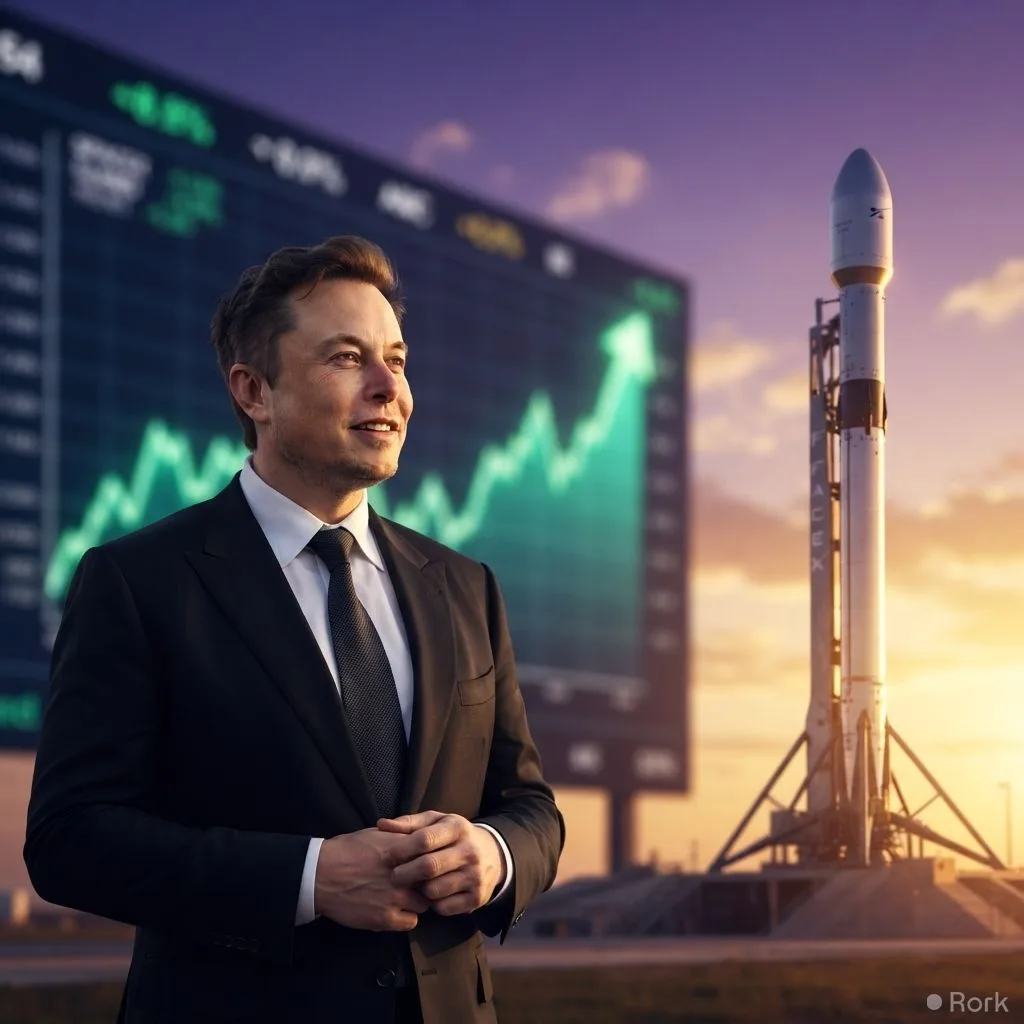
Elon Musk’s net worth surged to $1.046 trillion after SpaceX shares leapt 8% in a single trading session.
SpaceX’s stock closed at $171.09 on Monday, a jump that added roughly $65 billion to the billionaire’s fortune and restored him as the world’s sole trillion‑dollar holder, according to Forbes’ latest calculations. The dramatic rise follows a series of successful launches and the company’s aggressive rollout of its next‑generation Starlink satellite constellation, which has rekindled investor optimism.
Musk’s wealth has swung dramatically in recent months, largely tied to the performance of his two flagship companies: Tesla and SpaceX. After a period of volatility that saw his net worth dip below the trillion‑dollar mark, the surge in SpaceX equity alone was enough to push him back over the threshold, underscoring the growing weight of private‑space assets in billionaire rankings.
Analysts attribute the rally to SpaceX’s ambitious launch schedule for the remainder of 2026, including multiple crewed missions to the International Space Station and the upcoming debut of its fully reusable Starship for commercial payloads. The company’s continued expansion of the Starlink broadband network, especially its plans to provide high‑speed internet to underserved regions, is also being viewed as a long‑term revenue driver.
For Pakistan, the development carries several implications. The enhanced bandwidth promised by Starlink could accelerate the digital transformation of remote areas, supporting e‑learning, tele‑medicine and fintech services that are central to the country’s growth agenda. Moreover, Pakistani startups in satellite technology, aerospace engineering and data analytics are eyeing potential collaborations with SpaceX’s supply chain, which could open new avenues for investment and talent development.
Musk’s re‑attainment of trillion‑dollar status highlights how private space ventures are reshaping global financial markets and amplifying the volatility of wealth estimates that depend on market‑linked assets. As SpaceX continues to push the boundaries of commercial spaceflight, the ripple effects are likely to be felt far beyond the United States, influencing technology ecosystems and investment strategies worldwide.