
Key points:
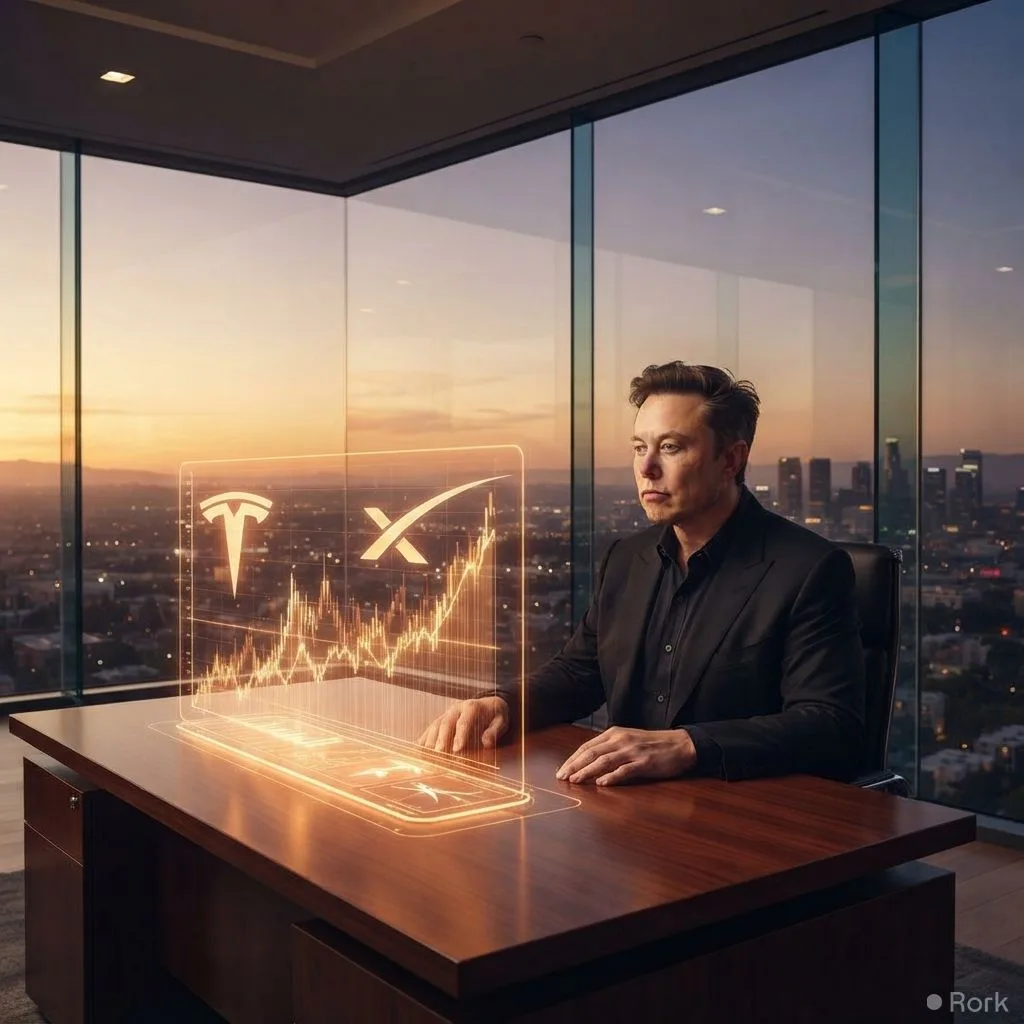
- Elon Musk’s estimated fortune surged by roughly $61 billion in a single trading session, lifting his net worth to about $979.7 billion.
- The jump was sparked by sharp gains in the shares of Tesla and SpaceX, which rallied on strong earnings and positive project outlooks.
- In Pakistani rupee terms the increase equates to nearly Rs 17 trillion, marking a 6.64 % rise from the day before.
- The surge narrows the gap to the coveted $1 trillion milestone, reigniting talk about who will be the world’s first trillion‑dollar individual.
Elon Musk’s wealth hit a new high on 2 October, according to Forbes, after the electric‑vehicle maker Tesla reported earnings that beat analysts’ expectations and announced progress on its next‑generation battery technology. At the same time, SpaceX’s stock climbed following news of several lucrative satellite‑launch contracts and an accelerated timeline for its Starship program. The combined market reaction added billions to Musk’s holdings, pushing his net worth close to the $1 trillion mark for the first time.
The rapid appreciation of Musk’s assets underscores how closely the fortunes of tech moguls are tied to market sentiment on innovation‑driven companies. For Pakistani investors, many of whom hold Tesla American Depositary Receipts (ADRs) or have exposure to global tech ETFs, the rally translated into noticeable gains on local brokerage platforms. Moreover, the headline‑grabbing wealth increase feeds into the narrative that high‑tech entrepreneurship can generate massive wealth, a story that resonates with Pakistan’s burgeoning startup ecosystem and its push for venture‑capital funding.
Analysts attribute the surge not merely to the earnings beat but also to growing confidence in the long‑term prospects of autonomous driving, renewable energy, and space commercialization—areas that are increasingly attracting interest from Pakistani firms and research institutions. As Musk edges nearer to the trillion‑dollar threshold, the episode is likely to keep investors worldwide, including those in South Asia, watching the performance of his companies for cues on where the next wave of high‑growth opportunities may lie.